


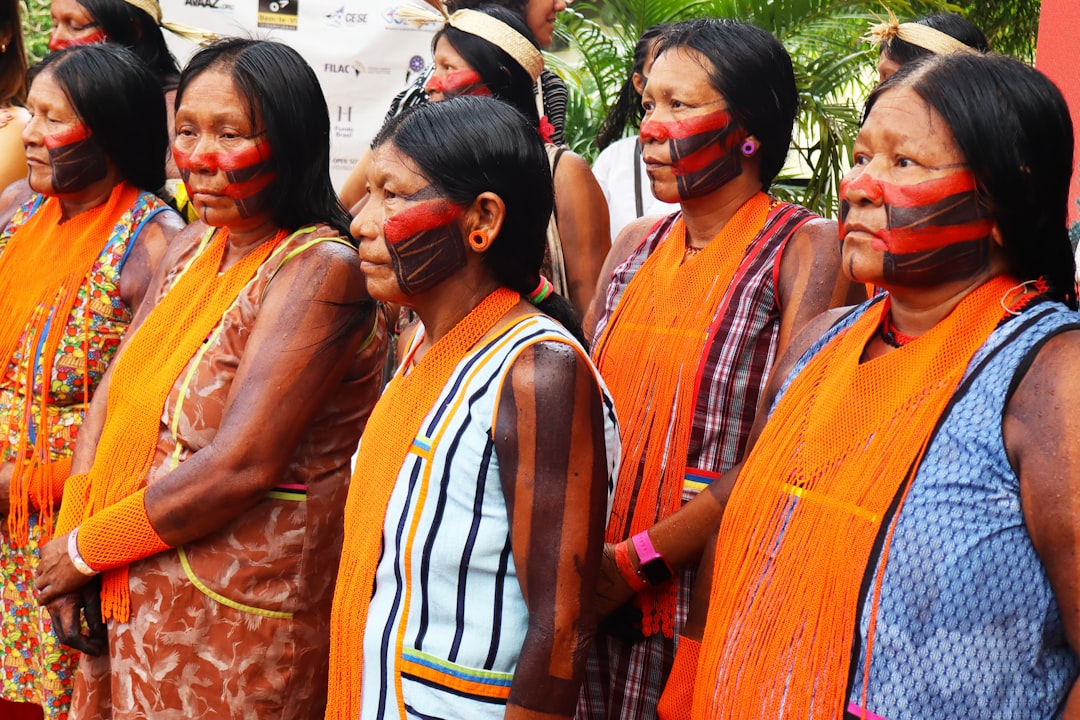
How Amazon Indigenous Peoples Can Benefit from ‘Ayahuasca Tourism’
Deep in the Amazon rainforest, ancient traditions continue to thrive despite modern pressures. Among the most widely discussed of these traditions is the ceremonial use of ayahuasca—a sacred plant medicine long used by Indigenous communities for healing, spiritual guidance, and cultural preservation. In recent years, “ayahuasca tourism” has drawn travelers from across the globe seeking personal transformation. But beyond the traveler’s journey lies a deeper question: can this growing interest truly benefit Amazon Indigenous peoples?
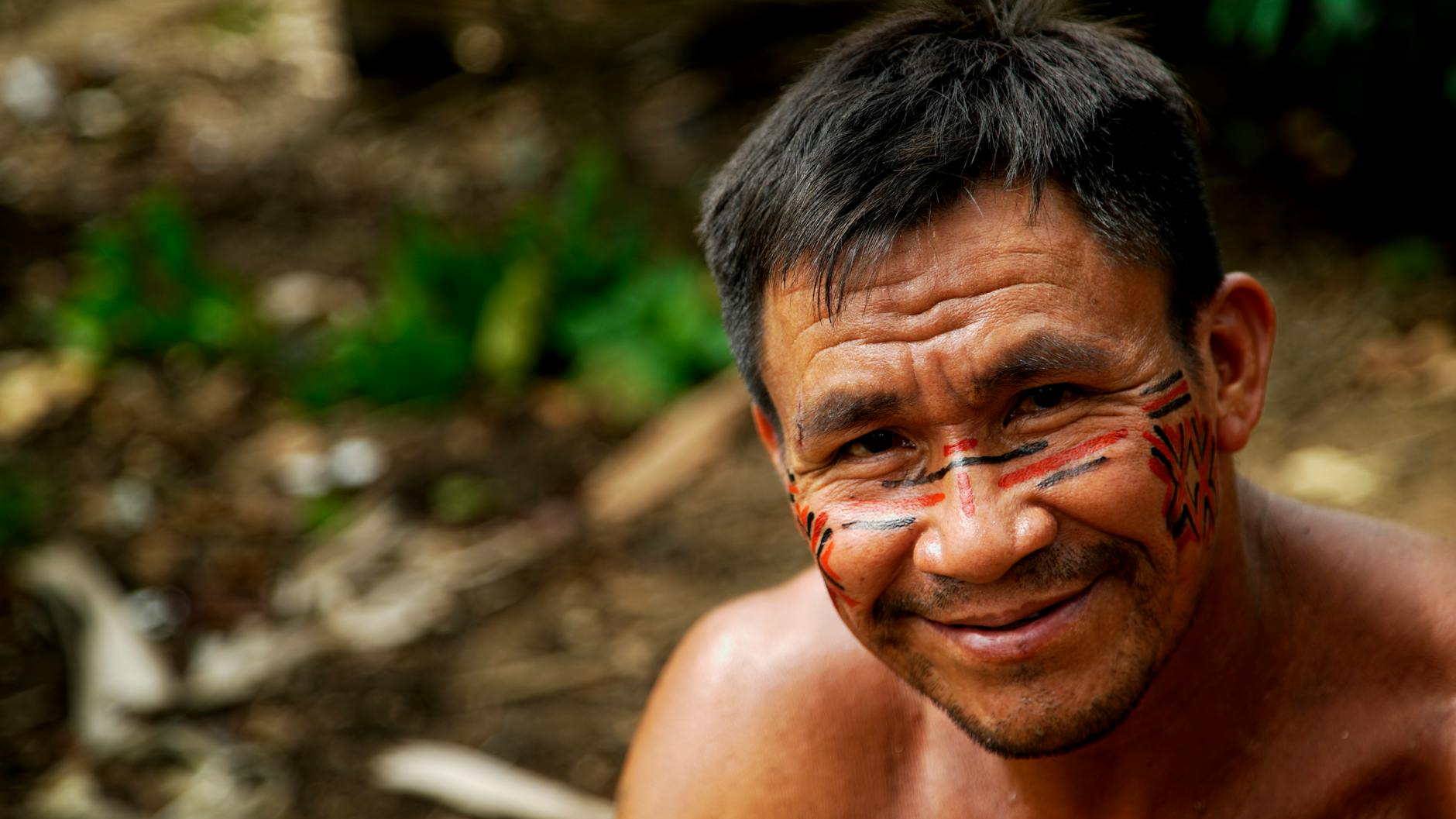
The answer is nuanced—but when approached ethically, responsibly, and collaboratively, ayahuasca tourism has the potential to empower Indigenous communities economically, culturally, and environmentally. For conscious travelers, the opportunity is not just about personal growth—it’s about supporting sustainable futures in one of the world’s most vital ecosystems.
1. Economic Empowerment Through Community-Led Tourism
In many remote Amazon regions, economic opportunities are limited. Logging, mining, and industrial agriculture often threaten Indigenous territories, offering short-term income at long-term environmental cost. Ayahuasca tourism, when managed by Indigenous communities themselves, provides an alternative revenue stream rooted in cultural preservation rather than destruction.
Community-run lodges and healing centers can generate income that supports:
- Local schools and educational programs
- Healthcare access in remote villages
- Infrastructure such as clean water systems and solar power
- Employment for cooks, guides, translators, and artisans
Unlike extractive industries, ceremonial tourism does not require deforestation or resource depletion. Instead, it depends on preserving both forest biodiversity and cultural integrity. Every visitor who chooses an Indigenous-owned retreat contributes directly to the local economy.
Practical tip: Before booking, research whether the retreat is Indigenous-owned or works in direct partnership with local communities. Look for transparency in how profits are distributed.
2. Cultural Preservation and Pride
Globalization has placed enormous pressure on Indigenous traditions. Younger generations sometimes leave villages for cities, and ancestral knowledge risks being lost. Ayahuasca tourism can create renewed value around traditional practices—when conducted respectfully.
By sharing ceremonies, music (icaros), traditional plant knowledge, and storytelling, elders can pass down wisdom while earning a living. This exchange often strengthens cultural pride. Instead of feeling marginalized, communities may feel recognized and respected for their spiritual heritage.
However, this balance is delicate. Cultural commodification—reducing sacred rituals to entertainment—can undermine authenticity. The key lies in Indigenous leadership and control over how ceremonies are shared.
Practical tip: Approach ceremonies as a learner, not a consumer. Avoid retreats that advertise “guaranteed enlightenment” or sensationalize Indigenous spirituality. Respect dietary guidelines, ceremony protocols, and local customs.
3. Environmental Protection Through Sacred Stewardship
The Amazon rainforest is often called the “lungs of the Earth,” yet it faces unprecedented threats from deforestation and climate change. Indigenous territories are statistically among the best-preserved areas of the rainforest. Why? Because traditional belief systems view the forest not as a commodity, but as a living entity.
Ayahuasca itself is made from the Banisteriopsis caapi vine and companion plants that require healthy ecosystems to thrive. Sustainable harvesting practices are essential. When tourism revenue depends on maintaining intact forests, communities gain a powerful incentive to protect their land.
Many ethical retreats now incorporate reforestation projects, wildlife conservation initiatives, and environmental education for visitors. In this way, ayahuasca tourism can become a force for conservation rather than exploitation.
Practical tip: Choose retreats that openly discuss sustainability practices. Ask whether they cultivate their own ayahuasca plants and support forest regeneration efforts.
4. Responsible Travel: What Visitors Must Consider
While ayahuasca tourism offers opportunities, it also carries risks—both cultural and personal. Increased demand can lead to unqualified facilitators, unsafe ceremonies, or exploitation by outside operators who exclude Indigenous communities from profits.
As a traveler, your choices shape the impact you leave behind. Responsible participation includes:
- Verifying the credentials and experience of ceremony leaders
- Ensuring medical screening and safety protocols are in place
- Respecting intellectual and spiritual property rights
- Avoiding photography or recording without explicit permission
- Learning about the historical and political context of Indigenous struggles
Health considerations are equally important. Ayahuasca interacts with certain medications and mental health conditions. Ethical retreats require medical questionnaires and may refuse participation when necessary. This is a sign of professionalism—not exclusion.
Beyond logistics, mindset matters. Entering with humility fosters genuine cultural exchange. The most meaningful journeys occur when visitors see themselves as guests in a living cultural landscape, not spiritual thrill-seekers chasing exotic experiences.
Practical tip: Spend time learning about the specific Indigenous group you will visit—Shipibo, Asháninka, Kichwa, or others. Understanding their history enhances respect and connection.
The Broader Debate: Opportunity or Exploitation?
Critics of ayahuasca tourism argue that sacred medicine should not be commercialized. Concerns about cultural appropriation and overharvesting are valid. However, blanket rejection of tourism overlooks a crucial point: many Indigenous leaders themselves advocate for controlled, community-led tourism as a pathway to sovereignty.
The difference lies in who holds power.
When outside entrepreneurs dominate the industry, communities may see little benefit. But when Indigenous organizations set the terms—determining pricing, ceremony structure, and visitor education—tourism can reinforce autonomy rather than undermine it.
Letters and opinion pieces from advocates often emphasize that Indigenous peoples are not passive victims of globalization. They are strategic actors capable of shaping tourism to align with their values. Supporting their agency means listening to their voices rather than imposing external judgments.
How to Ensure Your Visit Makes a Positive Impact
If you feel called to explore ayahuasca in its traditional context, consider these guiding principles:
- Prioritize Indigenous ownership: Seek retreats founded and operated by local communities.
- Pay fair prices: Bargain hunting can undermine sustainable wages and community projects.
- Support local artisans: Purchase crafts directly from makers rather than imported souvenirs.
- Stay longer: Extended visits reduce travel emissions per day and deepen cultural exchange.
- Share responsibly: When recounting your experience, avoid romanticizing or revealing sacred details.
Travel is never neutral. It either extracts or contributes. In the Amazon, the stakes are especially high—not only for cultural survival but for planetary health.
Conclusion: Travel with Purpose, Support with Intention
Ayahuasca tourism sits at the crossroads of spirituality, sustainability, and social justice. Done poorly, it risks exploitation and cultural dilution. Done thoughtfully, it can provide economic resilience, cultural revitalization, and environmental protection for Amazon Indigenous peoples.
The responsibility does not rest solely with retreat operators or community leaders. It rests with travelers—those willing to move beyond bucket-list experiences and engage with integrity.
If you are considering an ayahuasca journey, take the time to research, ask questions, and choose community-led initiatives. Let your travel dollars strengthen Indigenous sovereignty and rainforest conservation.
The Amazon is more than a destination. It is a living heritage. And when approached with humility and care, your journey there can become part of a much larger story—one where tourism supports tradition, empowers communities, and helps safeguard the forest for generations to come.
Ready to travel more consciously? Explore ethical retreats, educate yourself about Indigenous rights, and make your next journey one that truly gives back.