



Europe’s Entry/Exit System (EES): What Travellers Need to Know Before the 10 April Rollout
I’ve crossed Schengen borders more times than I can count — usually half-asleep after a red-eye, fumbling for a passport while calculating how many days I have left on my 90/180 allowance.
From 10 April, that mental math changes. Europe’s new Entry/Exit System (EES) goes live, and if you’re a non-EU traveller heading to France, Spain, Italy, Germany or anywhere else in the Schengen Zone, your border experience is about to get more digital — and slightly more serious.
Key Takeaways
- EES launches on 10 April and applies to non-EU travellers visiting Schengen countries.
- Your passport will be scanned and your fingerprints + facial image recorded on first entry.
- The system tracks your 90 days in any 180-day Schengen period automatically.
- Expect longer queues at airports and land borders during the first weeks.
- EES is separate from ETIAS, which is expected later and will require a €7 pre-travel authorization.
What Is the Entry/Exit System (EES)?
In simple terms: EES replaces passport stamping with a biometric database.
Instead of a border officer thumping ink into your passport, the system will digitally record when you enter and leave the Schengen Area. It logs your name, passport details, fingerprints and a facial image.
If you’ve travelled to the US and used biometric entry kiosks, this will feel familiar. Think less paper, more database.
Who Does EES Apply To?
If you’re from the US, UK, Canada, Australia, New Zealand, or most visa-exempt countries — this applies to you.
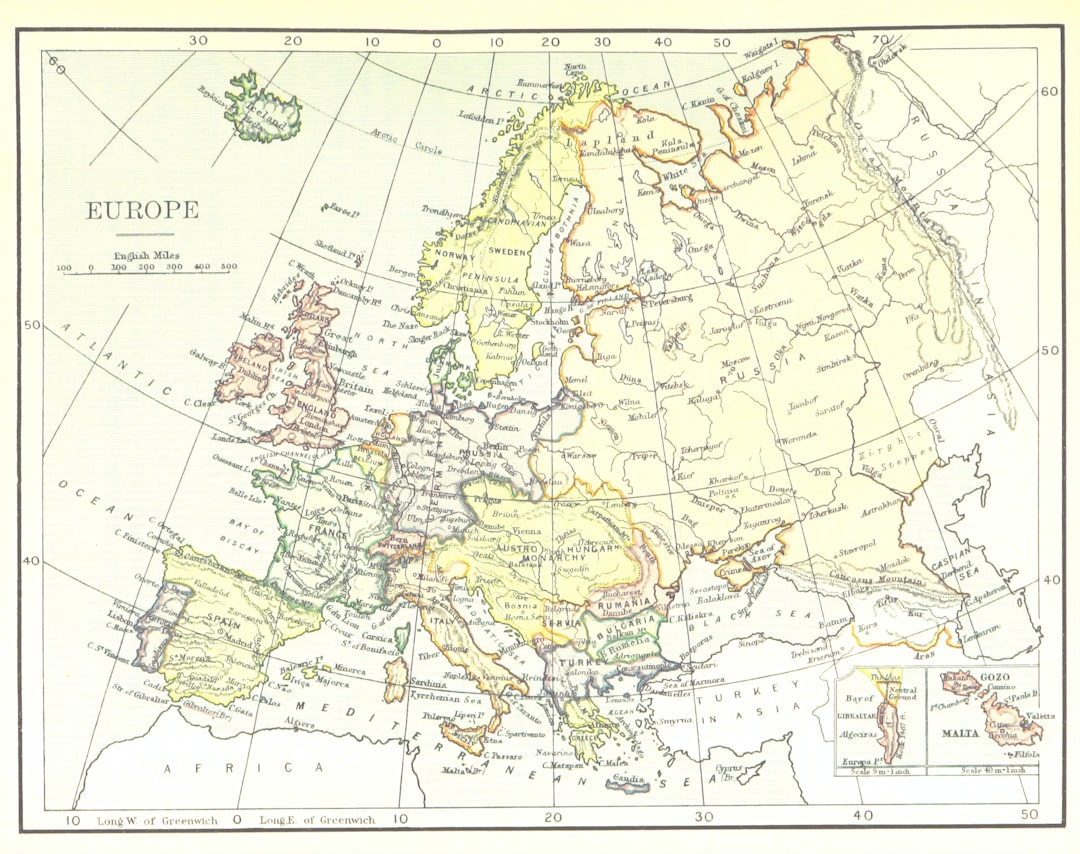
EES covers short stays of up to 90 days within any 180-day period in the Schengen Area. That includes 27 European countries, from Portugal to Poland.
If you’re an EU citizen or hold residency in a Schengen country, this system doesn’t affect you in the same way.
What Actually Happens at the Border?
Here’s what to expect on your first trip after 10 April.
- Passport scan — Your travel document is scanned into the system.
- Fingerprint capture — Four fingerprints will be recorded.
- Facial image — A quick photo taken at a kiosk or booth.
- Digital entry record created — No physical stamp.
On future trips, the process should be faster since your biometrics are already stored.
In theory.
In reality, I’d budget an extra 30–60 minutes at major hubs like Paris CDG, Frankfurt, Amsterdam Schiphol, or Madrid Barajas during the first few weeks. Early rollouts of tech systems are rarely seamless.
Yes, This Means the 90/180 Rule Gets Strict
If you’ve ever “rounded down” your Schengen days or relied on faded passport stamps to argue your case, those days are over.
EES calculates your remaining allowance automatically. Overstay by even a few days, and it’s digitally recorded — potentially affecting future entry.
I’ve met travellers in Lisbon who genuinely didn’t understand the 90/180 rule. If that’s you, fix it now. There are multiple free online calculators — use them.
EES vs. ETIAS: Not the Same Thing
There’s confusion here, so let’s clear it up.
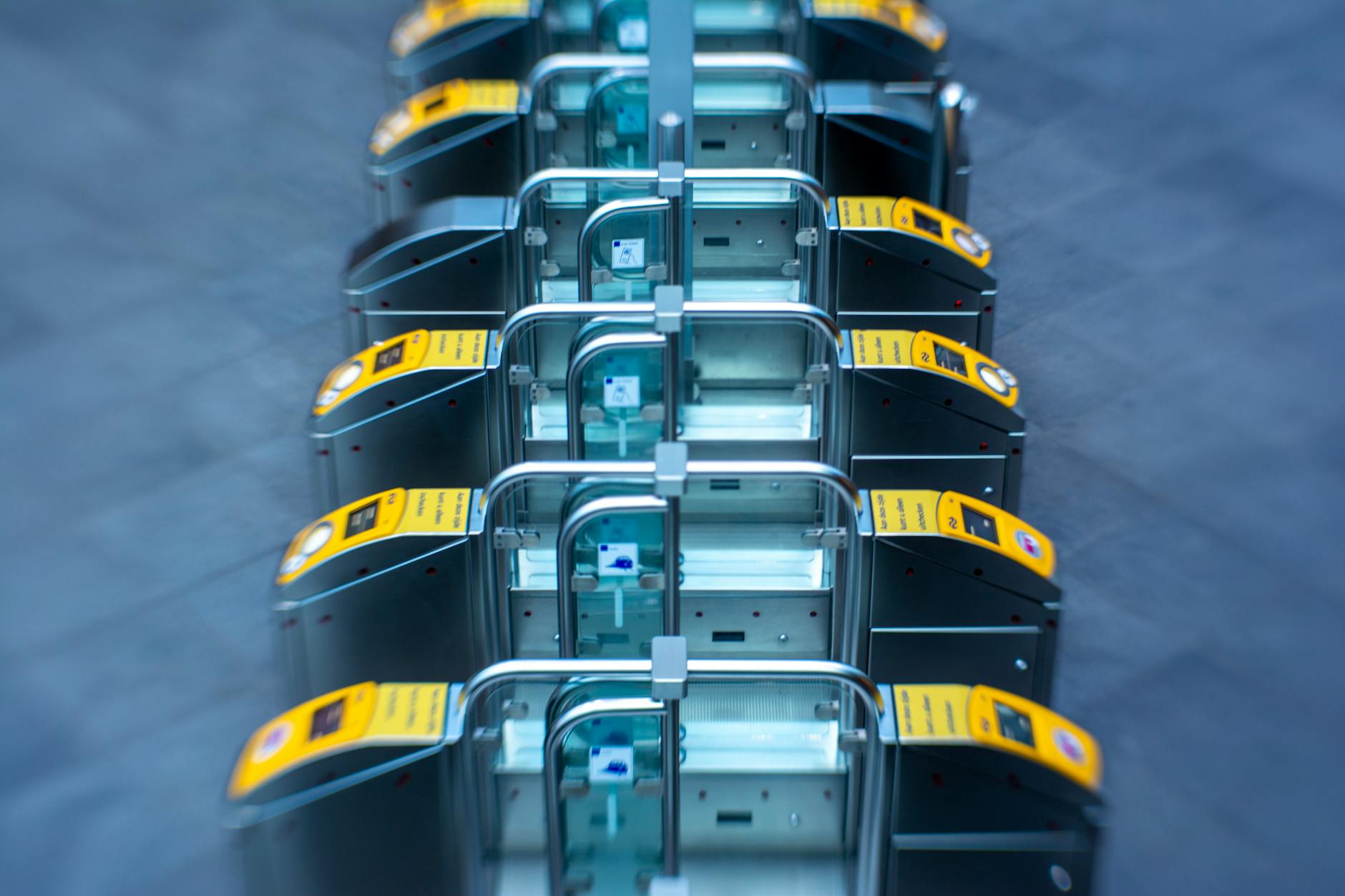
EES is a border control system. It happens at the airport or land crossing.
ETIAS (coming later) is a pre-travel authorization — similar to the US ESTA. It’s expected to cost €7 and be valid for multiple years.
You do not need to apply for anything in advance for EES. It happens when you arrive.
Where You’ll Feel It Most
Not all borders are equal.
Airports with automated gates — like Amsterdam or Munich — will probably adapt quickly.
Land borders are another story. If you’re driving from the UK to France via Eurotunnel, or crossing from Croatia into Slovenia during summer, expect bottlenecks.
Ferry ports in Greece and Italy could also see delays in peak season (June–September).
Practical Tips to Avoid Border Headaches
- Arrive earlier than usual — Especially for morning departures from busy hubs.
- Make sure your passport is biometric — Most are, but check if it’s older than 10 years.
- Keep boarding passes and travel confirmations — Just in case of system hiccups.
- Monitor your Schengen days — Don’t rely solely on memory.
- Avoid tight train connections on first entry into Schengen post-rollout.
I’d also avoid planning a 45-minute self-transfer at a major airport during the first month. That’s ambitious even without a new IT system going live.
What About Data Privacy?
Fair question.
The EU states that biometric data will be stored securely and retained for three years (or longer in case of overstay records). The system is designed to flag overstays and identity fraud, not track your café stops in Rome.
Still, if you’re privacy-conscious, it’s worth understanding that your entries and exits will now form a digital trail.
Will This Make Travel to Europe Harder?
Short answer: No.
More structured? Yes.
If anything, frequent travellers may benefit once the system stabilizes. Automated gates could eventually mean faster processing than manual passport stamping.
It’s similar to what we’re seeing in other travel tech shifts — from biometric boarding to robotaxis like those now operating in the US (we covered what that means for travellers in our piece on autonomous airport transfers in Nashville).
The direction is clear: more automation, more data, fewer stamps.
How This Affects Digital Nomads
If you’re slow-travelling Europe while working remotely, this system matters.
That casual “I’ll just pop to Morocco for a weekend and reset my Schengen clock” strategy? It never legally worked — and now it’s easier to enforce.
Many remote workers are already looking beyond Europe for longer base options. Southeast Asia, for example, remains far simpler for extended stays — and if you’re considering that pivot, our 7-day Northern Vietnam itinerary is a good starting point for exploring alternatives.
My Honest Take
This isn’t a travel apocalypse.
It’s bureaucracy catching up with technology.
If you’re an organized traveller who respects visa limits, you’ll be fine. If you’ve been “playing it loose” with Schengen rules, consider this your gentle warning.
The bigger issue in April won’t be compliance — it’ll be queues.
So pack patience along with your passport.
Final Checklist Before You Fly
- ✅ Confirm your total planned Schengen days.
- ✅ Arrive early for your first EES entry.
- ✅ Expect fingerprinting and a facial photo.
- ✅ Don’t panic if there’s no passport stamp.
Europe isn’t closing its doors. It’s just upgrading the front desk.
If you’ve got a spring or summer trip booked, now’s the time to double-check your timing and travel logistics. And if you want more smart, tech-savvy travel updates like this, keep browsing distratech.com — we break down the changes before they break your itinerary.
Frequently Asked Questions
When does Europe’s Entry/Exit System start?
The EES officially rolls out on 10 April 2026. From that date, non-EU travellers entering Schengen countries will have their biometric data recorded at the border.
Does EES replace ETIAS?
No. EES is a border registration system, while ETIAS is a future €7 pre-travel authorization for visa-exempt visitors. You do not need to apply in advance for EES.
Will border checks take longer after EES starts?
Initially, yes. Travellers should expect possible delays of 30–60 minutes at major airports and busy land borders during the first weeks of implementation.
How long can I stay in Europe under EES?
You can stay up to 90 days within any 180-day period in the Schengen Area. The system automatically tracks your remaining days and records overstays digitally.