


A Food Lover’s Guide to Bologna, Italy: 9 Dishes You Must Try in the Culinary Capital
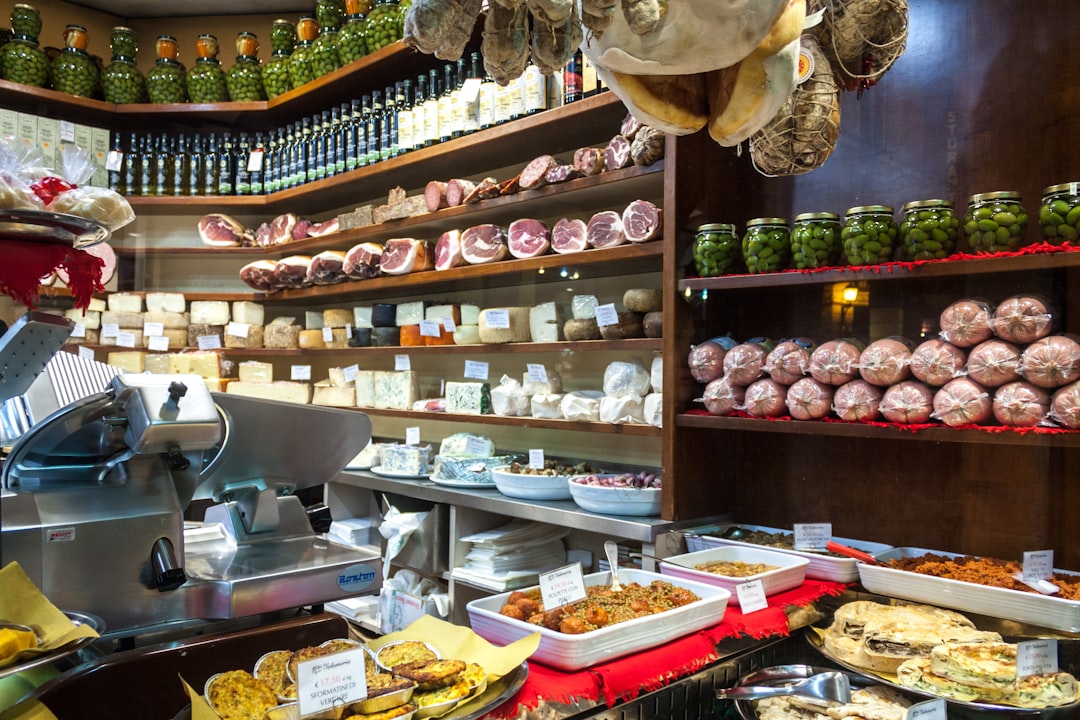
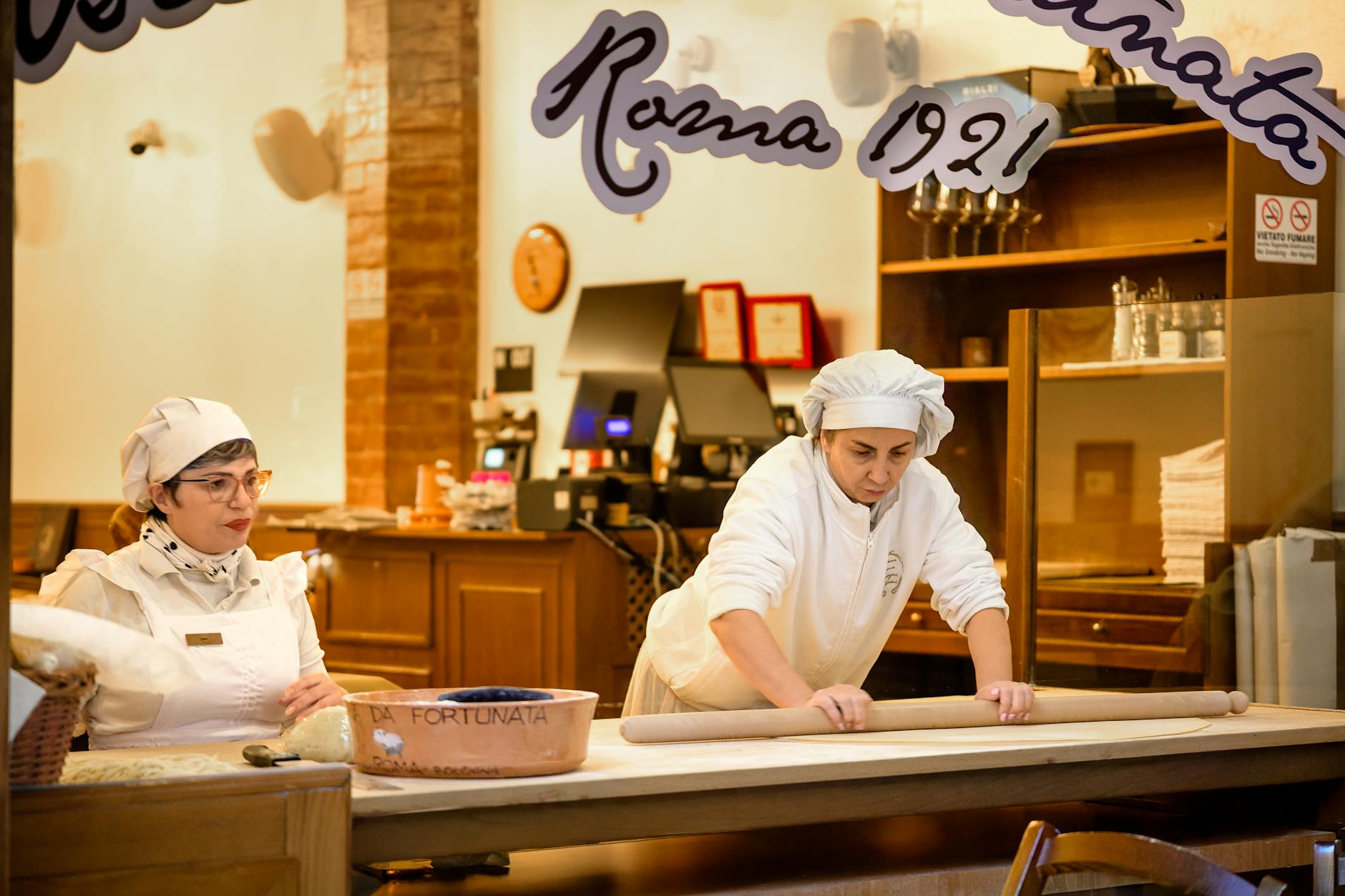
I’ve eaten my way through most of Italy, but nowhere makes me happier than Bologna. Within a 10-minute walk from Piazza Maggiore, you can taste handmade pasta rolled that morning, mortadella sliced paper-thin, and ragù that’s been simmering for three hours — all without blowing your budget.
This is Italy’s culinary capital, and unlike Rome or Florence, it still feels like it cooks for locals first and tourists second. Come hungry. Leave with a new definition of what “Italian food” actually means.
Key Takeaways
- A proper plate of tagliatelle al ragù costs €12–€16 in central Bologna.
- The best food spots are within a 15-minute walk of Piazza Maggiore.
- A traditional trattoria meal with wine runs €25–€40 per person.
- Avoid restaurants advertising “Spaghetti Bolognese” — that’s not authentic here.
1. Tagliatelle al Ragù (Not Spaghetti Bolognese)
Let’s get this straight: spaghetti Bolognese doesn’t exist in Bologna. If you see it on a menu, you’re in a tourist trap.
The real deal is tagliatelle al ragù — silky egg pasta ribbons coated in a slow-cooked meat sauce made with beef, pancetta, soffritto, tomato paste, and a splash of milk. It’s rich but not heavy.
Order it at Trattoria Anna Maria (about €15) or Osteria dell’Orsa (€12–€14, no reservations, expect a line at lunch). Both are a 5–8 minute walk from Piazza Maggiore.
2. Tortellini in Brodo
This is comfort in a bowl. Tiny hand-folded pasta parcels filled with pork loin, prosciutto, mortadella, and Parmigiano Reggiano, served in capon broth.
The broth is everything — clear, golden, deeply savory. If it tastes like salty water, leave.
Try Da Cesari (around €16–€18). Sit inside under the wood beams and take your time.
3. Lasagne alla Bolognese
Forget the ricotta-heavy versions you know. Bologna’s lasagna uses green spinach pasta sheets layered with ragù and béchamel.
It’s delicate, balanced, and far less tomato-forward than you expect.
Trattoria di Via Serra serves one of the best in town (about €15). It’s a 20-minute walk from the center — worth every step.
4. Mortadella (The Real One)
If you think mortadella is just fancy bologna, you haven’t had it here. The texture is silky, the fat cubes melt instantly, and the aroma is subtly pistachio and peppery.
Go to Salumeria Simoni in the Quadrilatero market. For €6–€8, you’ll get a panino stuffed with freshly sliced mortadella and soft focaccia.
Eat it standing outside with a €4 glass of Pignoletto.
5. Crescentine (Tigelle) with Cured Meats
Crescentine are small round breads, split open and stuffed with local salumi and soft cheeses. They’re simple and addictive.
Order a mixed board at La Prosciutteria (around €18–€22 for a generous platter). Perfect for sharing.
This is ideal for a casual first night when you want variety without committing to a full multi-course meal.
6. Cotoletta alla Bolognese
Yes, it’s a breaded veal cutlet. No, it’s not just schnitzel.
The Bolognese version is topped with prosciutto and Parmigiano, then finished with a splash of broth. It’s indulgent and unapologetic.
Find a great one at Ristorante Diana (mains €20–€26). Old-school, white tablecloth, and worth dressing up slightly.
7. Gramigna alla Salsiccia
This one flies under the radar with tourists. Gramigna is a short, curly pasta usually served with sausage and a light tomato-cream sauce.
It’s hearty, slightly spicy, and deeply satisfying.
Order it at Osteria Broccaindosso (around €13–€15). Cozy, authentic, and mostly locals.
8. Squacquerone with Piadina
Squacquerone is a soft, creamy cheese from the Emilia-Romagna region. Spread it on warm piadina flatbread and add arugula or prosciutto.
It’s light enough for lunch but still packed with flavor.
Grab a quick version for €6–€10 at a street-side piadineria near Via Ugo Bassi.
9. Gelato (But Choose Wisely)
Not all gelato is equal. Avoid neon colors and towering piles.
Go to Cremeria Cavour or Galliera 49. A small cup costs €3–€3.50, and flavors like pistachio or crema are the true test.
If the pistachio is bright green, walk away.
Where to Eat: My Honest Bologna Strategy
Bologna is compact. Most of the best restaurants are clustered within the historic center.
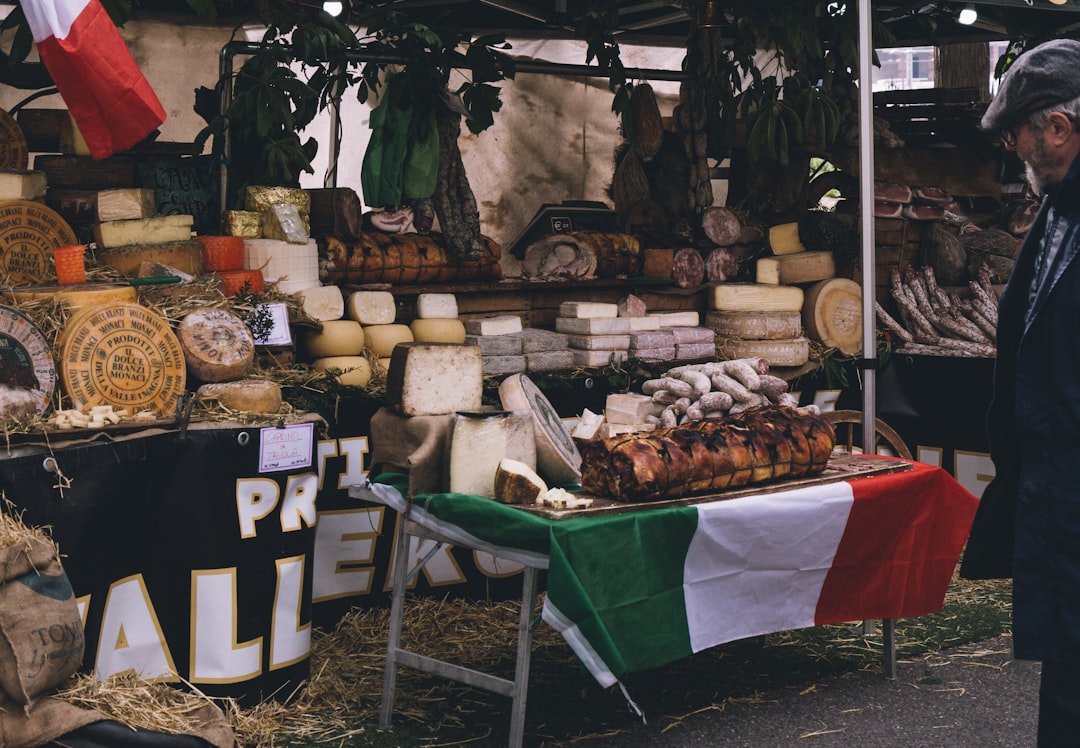
Here’s how I approach it:
- Lunch: Casual trattoria or market sandwich (€10–€18).
- Aperitivo: Wine and mortadella in Quadrilatero (€8–€12).
- Dinner: Traditional sit-down meal with pasta + secondi + wine (€30–€40).
- Reserve ahead for weekends — especially Friday and Saturday nights.
Practical Tips for Food-Loving Travelers
- Book restaurants 2–3 days in advance for weekends.
- Most kitchens close between 2:30 pm and 7:30 pm.
- Coperto (cover charge) is usually €2–€3 per person.
- Tap water isn’t automatically served — ask for “acqua del rubinetto.”
- Avoid menus with photos and multilingual “Bolognese spaghetti.”
If you’re visiting from outside the EU, keep updated on new border procedures like Europe’s Entry/Exit System (EES), which affects non-EU travelers entering Italy.
When to Visit Bologna for Food
Spring (April–June) and fall (September–October) are ideal. Expect daytime temperatures between 18–25°C (64–77°F), perfect for long lunches under the porticoes.
Summer gets hot — often above 32°C (90°F) — and many locals leave in August.
Unlike tourist-heavy cities, Bologna stays relatively authentic year-round. It’s a working university town, not an open-air museum.
Is Bologna Worth It for Food Lovers?
Absolutely. If Florence is about art and Rome is about spectacle, Bologna is about flavor.
You won’t find flashy rooftop restaurants or TikTok pasta theatrics here. What you’ll find is 500-year-old recipes executed perfectly.
Give yourself at least two full days just to eat. Walk everywhere. Order the house wine. And please — never ask for spaghetti Bolognese.
If you’re planning a broader Italy or Europe trip, Bologna pairs perfectly with Florence (37 minutes by high-speed train) or Milan (just over 1 hour).
Hungry yet? Book the ticket. Bologna is waiting.
Frequently Asked Questions
How much does it cost to eat in Bologna?
A casual lunch costs €10–€18, while a full dinner with wine at a traditional trattoria runs €25–€40 per person. Fine dining can exceed €60, but it’s not necessary for incredible food.
What is the most famous food in Bologna?
Tagliatelle al ragù is the city’s signature dish. Tortellini in brodo and mortadella are close contenders and equally essential to try.
Is Bologna better than Rome or Florence for food?
For traditional, regional cooking, many food lovers say yes. Bologna focuses less on tourist menus and more on preserving classic recipes.
How many days do you need in Bologna for food?
Two to three days is ideal to try the city’s essential dishes without rushing. That gives you time for multiple trattorias, markets, and aperitivo stops.