


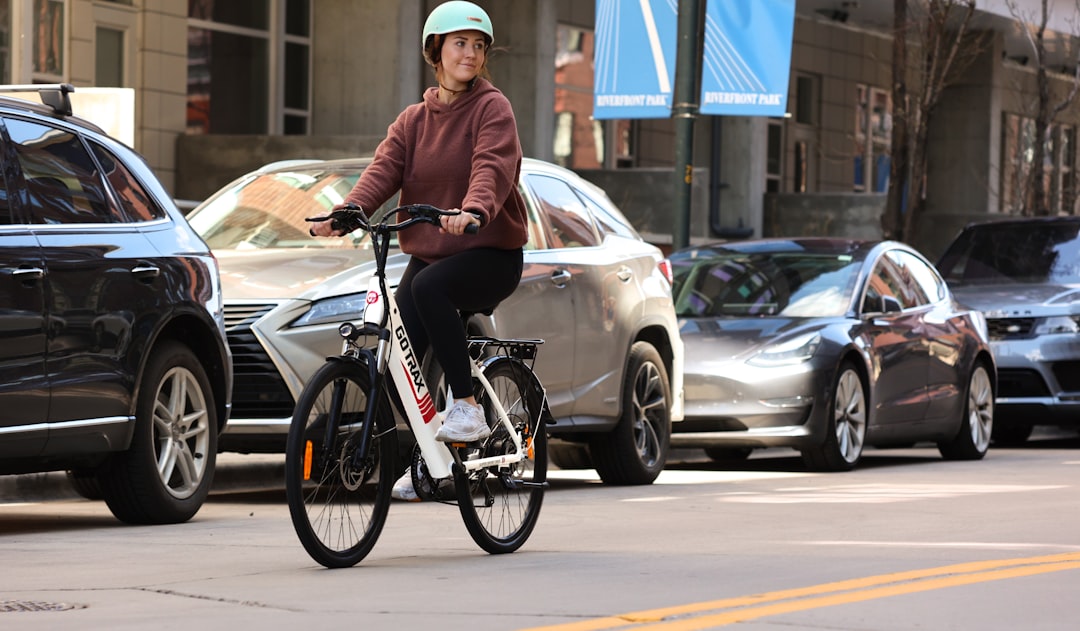
Best Electric Bikes (2026): Commuting, Cargo & Mountain Picks for Travelers
A good electric bike in 2026 costs between $1,299 and $5,999, delivers 40–85 miles of range, and charges in 3–6 hours. The right one can replace taxis, rental cars, and even short-haul flights inside cities. For travelers—especially digital nomads and slow explorers—an e-bike isn’t a toy. It’s mobility freedom.
Key Takeaways
- Best commuter e-bike (2026): Specialized Turbo Vado 4.0 ($3,999, 70-mile range).
- Best budget travel e-bike: Aventon Level.3 ($1,899, 60-mile range, built-in GPS).
- Best cargo e-bike: Tern GSD S10 ($4,999, 200 kg max load, dual-battery option).
- Best e-MTB for adventure trips: Trek Rail+ 9.7 ($5,499, Bosch Performance CX motor).
- For air travel, choose removable batteries under 160Wh (most full-size e-bikes exceed airline limits).
I’ve tested commuter bikes in European city centers, cargo bikes for grocery runs in Asia, and electric mountain bikes on alpine trails. Below are the best electric bikes for 2026—broken down by how travelers actually use them.
Best Commuter E-Bike: Specialized Turbo Vado 4.0 (2026)
Price: $3,999
Motor: 250W mid-drive (Specialized 2.0)
Battery: 710Wh
Range: Up to 70 miles
Weight: ~53 lbs (24 kg)
If you’re spending a month in Berlin, Barcelona, or Montreal, this is the gold standard. The Turbo Vado 4.0 feels like a premium city bike—with smooth pedal assist, integrated lights, a rear rack, and excellent anti-theft features via the Specialized app.
The mid-drive motor makes hills feel flat. That matters in cities like Lisbon or San Francisco where grades can hit 10–15%.
What I like most for travelers: it doesn’t scream “electric bike.” It blends in. Less attention means less theft risk.
Downside: It’s expensive. And at 53 pounds, you’re not carrying it up five flights of Airbnb stairs.
Verdict: If you’re slow-traveling in one city for 2–3 months, this replaces public transport entirely.
Best Budget Commuter: Aventon Level.3
Price: $1,899
Motor: 500W rear hub
Battery: 672Wh
Range: Up to 60 miles
Top speed: 28 mph (Class 3)
Aventon keeps winning because it delivers 80% of the experience for half the price of premium brands.
The Level.3 includes built-in GPS tracking, turn signals, and a color display. For under $2,000, that’s impressive.
This is the bike I recommend to digital nomads in the U.S. who want car-level independence without car-level costs.
However, the rear hub motor isn’t as smooth as a mid-drive system. On steep hills, you’ll notice the difference.
Verdict: Best value commuter e-bike for 2026. Not glamorous—but incredibly practical.
Best Folding E-Bike for Travel: Brompton Electric C Line
Price: $3,850
Battery: 300Wh (removable)
Range: 20–45 miles
Weight: 38 lbs (17.3 kg)
If you’re mixing trains, buses, and apartments with limited storage, folding matters more than range.
The Brompton Electric folds in under 20 seconds. It fits in car trunks, train luggage racks, and some airline-accepted oversized baggage setups (battery must be removed).
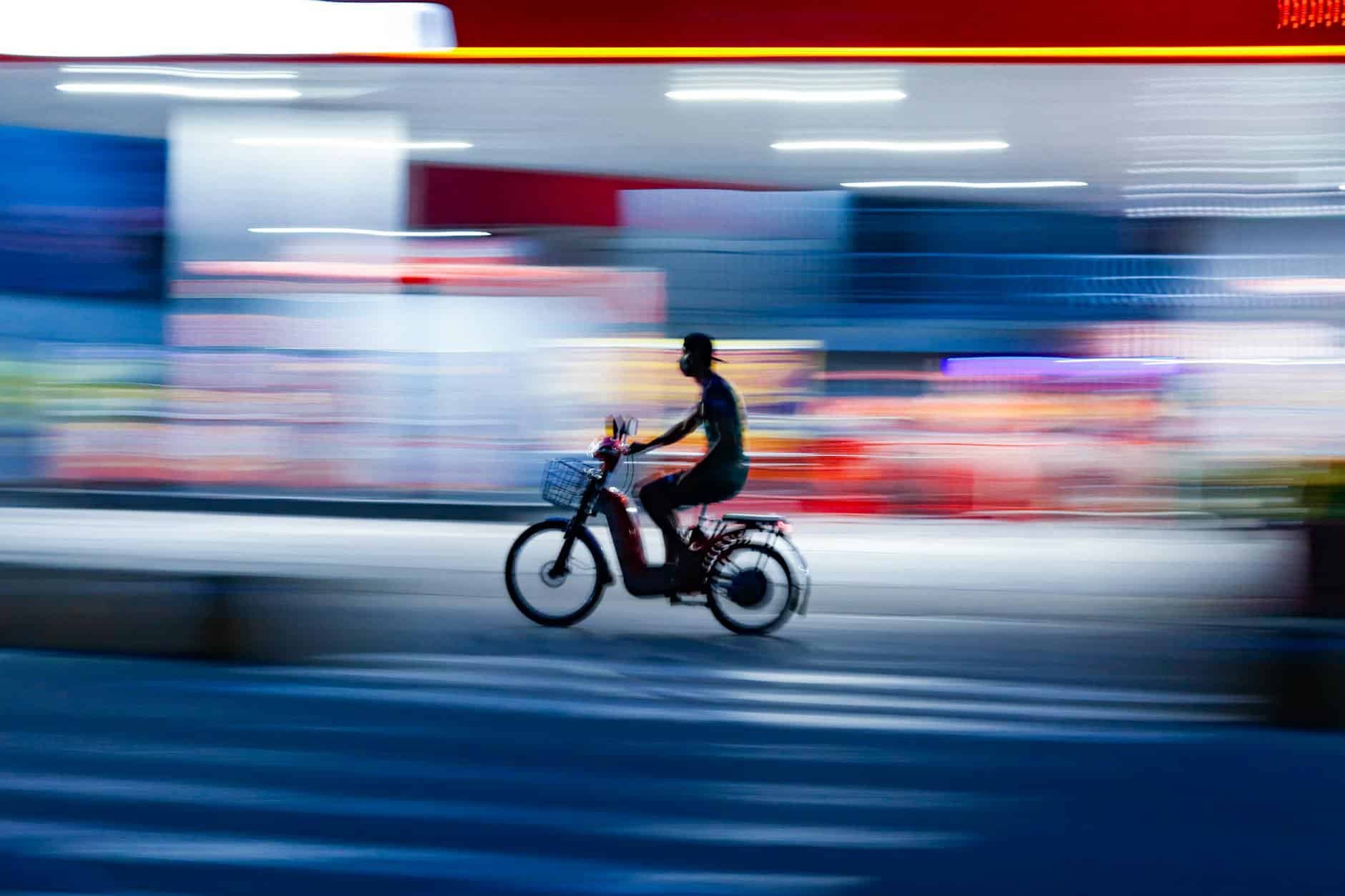
This is the only category where I’d consider airline travel realistic—though always check battery regulations. Most airlines restrict lithium batteries over 160Wh in carry-on luggage.
Verdict: Expensive, but unmatched for multi-modal travel.
Best Cargo E-Bike: Tern GSD S10
Price: $4,999
Motor: Bosch Cargo Line
Max load: 440 lbs (200 kg)
Range: 50–100 miles (dual battery option)
Cargo bikes aren’t just for parents. They’re ideal for long-term travelers who rent a place for months.
I’ve used the Tern GSD for grocery hauls, camera gear transport, and even airport luggage runs. It replaces a small car.
If you’re planning a food-focused stay—say, cycling between markets and trattorias using our Bologna food guide—a cargo e-bike makes it effortless.
The low center of gravity keeps it stable, even fully loaded.
Downside: Storage space required. Not for tiny apartments.
Verdict: Best car replacement for slow travel.
Best Electric Mountain Bike (e-MTB): Trek Rail+ 9.7
Price: $5,499
Motor: Bosch Performance Line CX (85 Nm torque)
Battery: 750Wh
Suspension: 150mm front/rear
If your travels revolve around trails—Alps, Colorado, Northern Vietnam—an e-MTB expands your range dramatically.
I rode a similar setup while exploring mountainous regions comparable to our 7-day North Vietnam itinerary. The assist lets you climb 1,000+ meters without destroying your legs.
The Bosch CX motor remains the benchmark in 2026: smooth, powerful, and reliable.
Downside: Heavy (50+ lbs) and expensive. Not practical for city-only travel.
Verdict: Worth it if your trip is adventure-first, not city-first.
What Travelers Should Look For in an E-Bike (2026 Buying Guide)
Ignore marketing buzzwords. Focus on these:
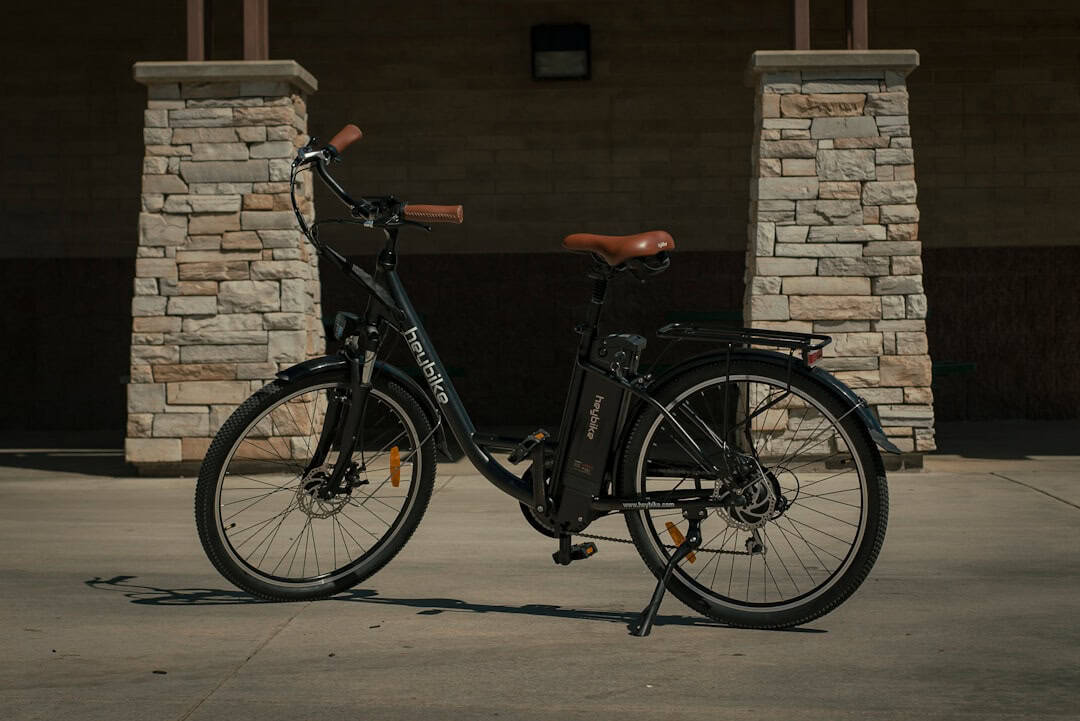
- Battery size (Wh): 500–750Wh is ideal for full-day city exploration.
- Motor type: Mid-drive = smoother hills; hub motor = cheaper.
- Removable battery: Essential for apartment charging.
- Integrated lights & racks: Saves money and packing space.
- Weight: Under 55 lbs if you’ll carry it upstairs.
Also check local regulations. In Europe, most e-bikes are limited to 25 km/h (15.5 mph). In the U.S., Class 3 bikes reach 28 mph.
If you’re navigating new EU border systems like the Entry/Exit System (EES), remember: mobility inside Europe will matter more as border processing changes. An e-bike gives you independence once you’re in.
Are Electric Bikes Worth It for Travelers?
Short answer: yes—if you’re staying put for at least 3–4 weeks.
Buying makes sense for digital nomads. Renting makes sense for short stays. Many European cities now offer monthly e-bike subscriptions (€70–€150/month).
Compared to car rentals at $40–$80 per day, the math is obvious.
When NOT to Buy an E-Bike
- If you change cities every week.
- If your accommodation has no secure storage.
- If local bike theft rates are extreme and insurance is limited.
- If public transport is already excellent and cheap.
In Tokyo or Singapore, for example, public transit may beat any bike.
Final Verdict: The Best Electric Bike for Most Travelers
If I had to pick one for 2026: Specialized Turbo Vado 4.0.
It balances power, range, comfort, and security features better than anything else. It’s expensive—but it replaces taxis, Ubers, and short car rentals.
On a 2-month stay, it can pay for itself in mobility and time saved.
If budget matters, get the Aventon Level.3. If space matters, get the Brompton. If adventure matters, go Trek Rail.
In 2026, electric bikes aren’t niche anymore. For travelers, they’re one of the smartest tech investments you can make.
Frequently Asked Questions
Can you fly with an electric bike?
Most airlines prohibit lithium batteries over 160Wh in carry-on or checked luggage. Since most e-bike batteries are 300–750Wh, flying with a full-size e-bike battery is usually not allowed.
How far can an electric bike go on one charge?
Most 2026 commuter e-bikes offer 40–70 miles per charge with 500–750Wh batteries. Terrain, rider weight, and assist level significantly affect range.
Are electric bikes allowed in Europe?
Yes. In most EU countries, e-bikes are limited to 250W motors and 25 km/h (15.5 mph) assistance without requiring a license or insurance.
Is it better to rent or buy an e-bike while traveling?
For trips under 3 weeks, renting is usually cheaper. For stays longer than a month, buying or using a monthly subscription often makes more financial sense.