


12 Hidden Gems in Portugal’s Alentejo Region for a Shoulder-Season Road Trip
I paid €1.60 for an espresso in a medieval hilltop village, parked for free beneath 1,000-year-old walls, and watched the sun set over cork forests without another tourist in sight. That’s Alentejo in shoulder season.
Skip July’s furnace heat and August’s Lisbon escape crowds. Come in April–June or late September–October, rent a car in Lisbon (from €25/day), and spend 4–6 days drifting through Portugal’s most underrated region.
Key Takeaways
- Best time: April–June and Sept–Oct for 18–28°C weather and fewer crowds.
- Ideal trip length: 4–6 days with a rental car from Lisbon (1–2 hours’ drive).
- Budget: €90–€140 per person/day including boutique stays and regional dining.
- Don’t miss: Monsaraz at sunset and the wild beaches near Vila Nova de Milfontes.
1. Monsaraz – The Hilltop Time Capsule
Monsaraz is what people hope Óbidos will feel like. Whitewashed houses, cobbled lanes, and almost no souvenir shops selling cork keychains made in China.
Go late afternoon. Park just outside the walls (free), wander for an hour, then grab a table at Taverna Os Templários. A glass of local Alentejo red costs €4–€6, and sunset over the Alqueva Lake is cinematic.
Skip: Midday in summer. It’s shadeless and brutal.
2. Alqueva Dark Sky Reserve – Europe’s Stargazing Secret
Alqueva is one of the largest dark sky reserves in the world. In shoulder season, skies are clearer and nights are cool but not freezing.
Book a guided session (around €25–€40 per person). You’ll see Saturn’s rings through a telescope without fighting a crowd like you might in more famous astronomy spots.
3. Marvão – The Castle in the Clouds
Perched at 860 meters near the Spanish border, Marvão feels almost unreal. On a misty spring morning, it floats above the valley.
Entry to the castle costs about €1.50. Allow 2 hours to walk the full walls. It’s steep but manageable with good sneakers.
If you liked the idea of crowd-free Andalusian towns, you’ll love this—similar vibe to the villages in our guide to hidden gems in Andalusia, but with Portuguese soul.
4. Elvas – The Star-Shaped Fortress City
Elvas isn’t “hidden,” but most travelers skip it. Big mistake.
The 17th-century star fort (Forte da Graça) is massive and rarely busy. Entry is about €5, and you can explore almost alone. Plan 1.5–2 hours.
It’s a UNESCO site without UNESCO-level crowds.
5. Vila Viçosa – Marble and Quiet Elegance
Portugal’s marble capital is strangely overlooked. Even the sidewalks gleam.
Tour the Ducal Palace (around €5) and then have lunch at O Paço Ducal. Expect hearty açorda or black pork for €12–€18.
Come on a weekday. Weekends draw local visitors.
6. Évora’s Almendres Cromlech – Portugal’s Stonehenge
Yes, Évora itself can get busy. But 15 minutes outside town, Almendres Cromlech feels wild.
The dirt road is bumpy—drive slow. Entry is free, and in April or October you might have the prehistoric stone circle entirely to yourself.
Go early morning for the best light and zero tour buses.
7. Castelo de Vide – The Underrated Alternative
Often overshadowed by Marvão, Castelo de Vide deserves its own stop. It’s gentler, greener, and more lived-in.
Wander the Jewish quarter, then soak in the 18th-century Fonte da Vila fountain area. Coffee here still runs under €2.
Stay overnight if you can. Small guesthouses average €70–€110 per double room in shoulder season.
8. Porto Covo – White-and-Blue Coastal Calm
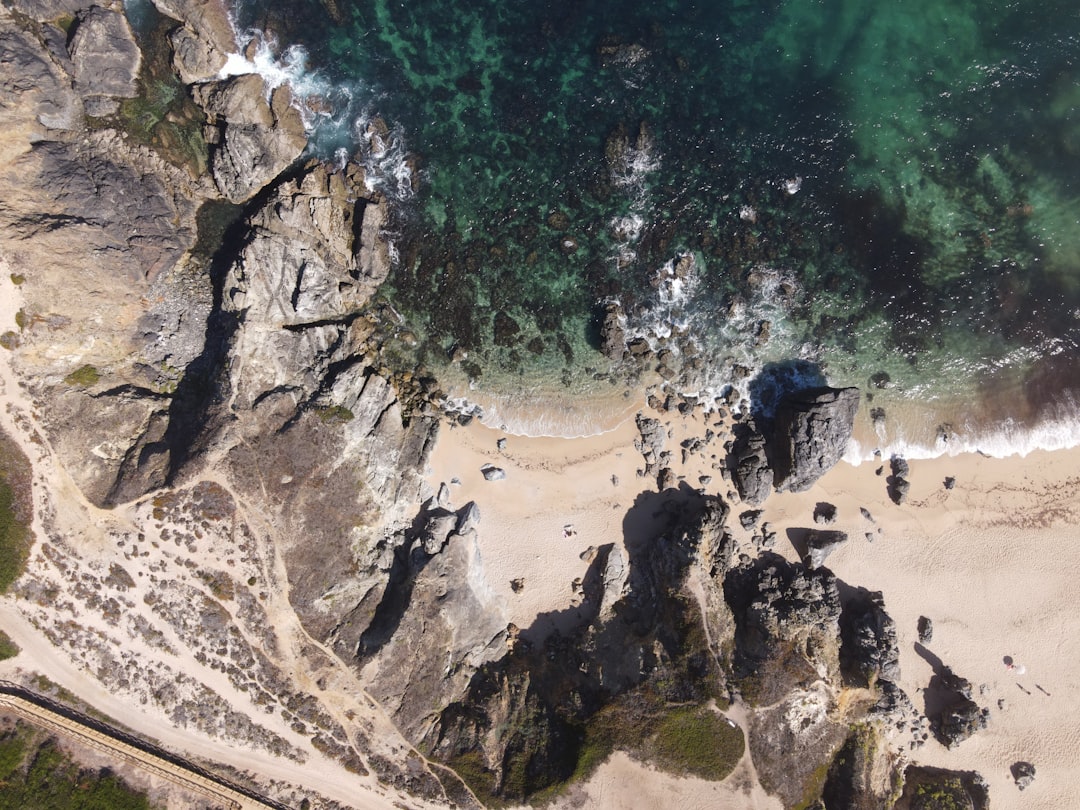
Just south of Sines, Porto Covo is a fishing village with postcard-perfect squares and dramatic cliffs.
In May or late September, beaches like Praia da Samoqueira are nearly empty. The water’s cold, yes—but the scenery is worth it.
Dinner at Tasca Ewa: grilled fish around €18–€22.
9. Vila Nova de Milfontes – Wild Atlantic Energy
This is where the Mira River meets the ocean. It’s relaxed, surfy, and far less polished than the Algarve.
Shoulder season means parking is easy and rooms drop to €80–€130 per night. Walk sections of the Rota Vicentina coastal trail without baking in 35°C heat.
If you enjoy shoulder-season hiking like in our Patagonia April trekking guide, you’ll appreciate the mild temps here—minus the Patagonian wind.
10. Mértola – A Moorish Time Warp
Near the Spanish border, Mértola feels closer to North Africa than Lisbon. The white houses cascade toward the Guadiana River.
The former mosque-turned-church is worth the €2–€3 entry. Plan lunch at Restaurante Tamuje—goat stew is the local specialty.
It’s remote. That’s the point.
11. Serpa – Cheese, Walls, and Slow Living
Serpa is small, walled, and obsessed with queijo. Try Queijo Serpa DOP at a local shop for €4–€6 per wedge.
Walk the ramparts at golden hour. You’ll hear church bells and not much else.
12. Comporta (But Do It Smart)
Yes, Comporta has a reputation for chic Lisbon crowds. But in October or April, it’s stylish without being smug.
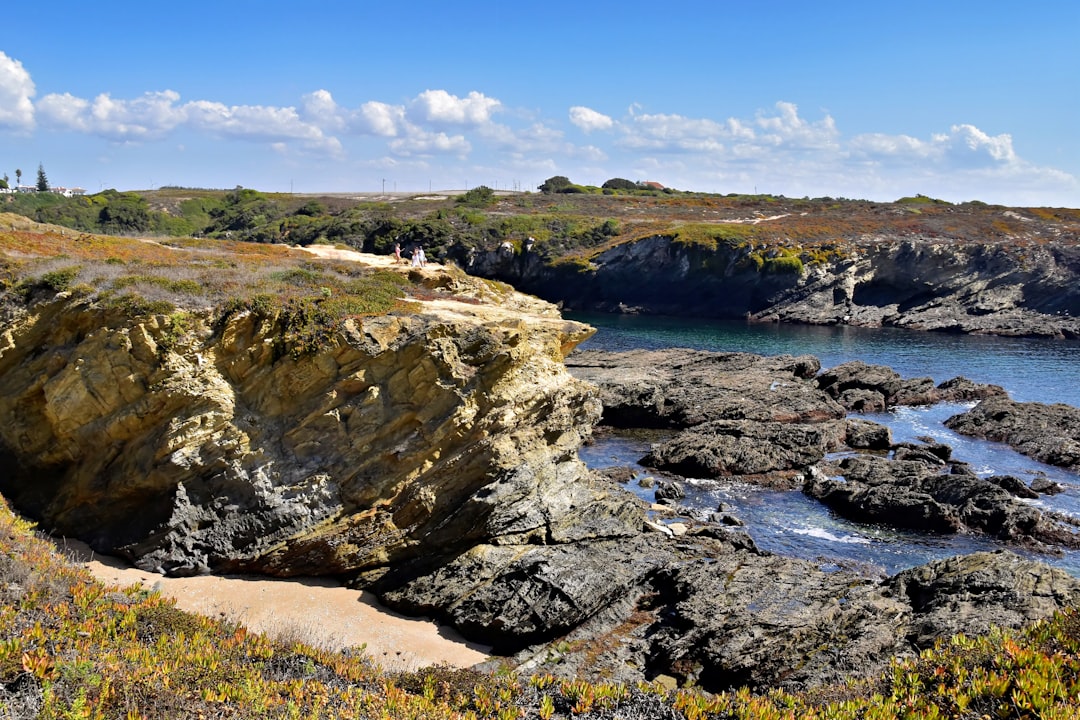
Skip the overpriced beach clubs. Go for a simple seafood lunch in Carrasqueira and walk the wooden pier at sunset.
Accommodation here is pricier—expect €120+ per night—but deals appear midweek in shoulder season.
How to Plan the Perfect Alentejo Road Trip
Distances are short, but roads are slow and scenic. That’s part of the charm.
- Start in Lisbon: Évora is 1.5 hours east by car.
- Plan 2-night bases: One inland (Évora or Monsaraz), one coastal (Milfontes or Porto Covo).
- Fuel up early: Gas stations are sparse in rural areas.
- Download offline maps: Cell service drops near the Spanish border.
- Book small hotels directly: Many offer better rates than booking platforms.
Why Shoulder Season Is Non-Negotiable
Summer in Alentejo regularly exceeds 35°C (95°F). Walking castle walls becomes survival training.
In April, May, late September, and October, you’ll get:
- Wildflowers across the plains
- Daytime highs of 18–28°C
- Lower hotel rates (20–40% cheaper than August)
- Empty viewpoints at sunset
It’s the same logic behind choosing spring for southern Spain or Patagonia. Fewer crowds, better light, saner prices.
Is Alentejo Worth It?
Absolutely—if you value space, silence, and substance over nightlife.
If you want beach parties and luxury resorts, go to the Algarve. If you want cork forests, Roman ruins, Moorish castles, and €12 lunches with house wine included, drive east and south into Alentejo.
This is Portugal before it became trendy.
Conclusion: Slow Down and Go Now
Alentejo isn’t about ticking landmarks off a list. It’s about long lunches, empty roads, and sunsets that feel private.
Rent the car. Go in shoulder season. Stay an extra night somewhere small.
And if you find a village even quieter than these 12, keep it to yourself—or at least tell us first at Distratech.
Frequently Asked Questions
When is the best time for an Alentejo road trip?
April–June and late September–October offer 18–28°C temperatures, fewer tourists, and hotel rates 20–40% lower than peak summer.
How many days do you need in Alentejo?
Plan at least 4–6 days to explore both inland towns (Évora, Monsaraz, Marvão) and the Atlantic coast without rushing.
Is Alentejo expensive compared to Lisbon or the Algarve?
No. Expect €90–€140 per person/day in shoulder season, with boutique hotels from €70–€130 and generous restaurant meals under €20.
Do you need a car to explore Alentejo?
Yes. Public transport is limited between small towns, and a rental car (from €25/day in Lisbon) gives you full flexibility.