


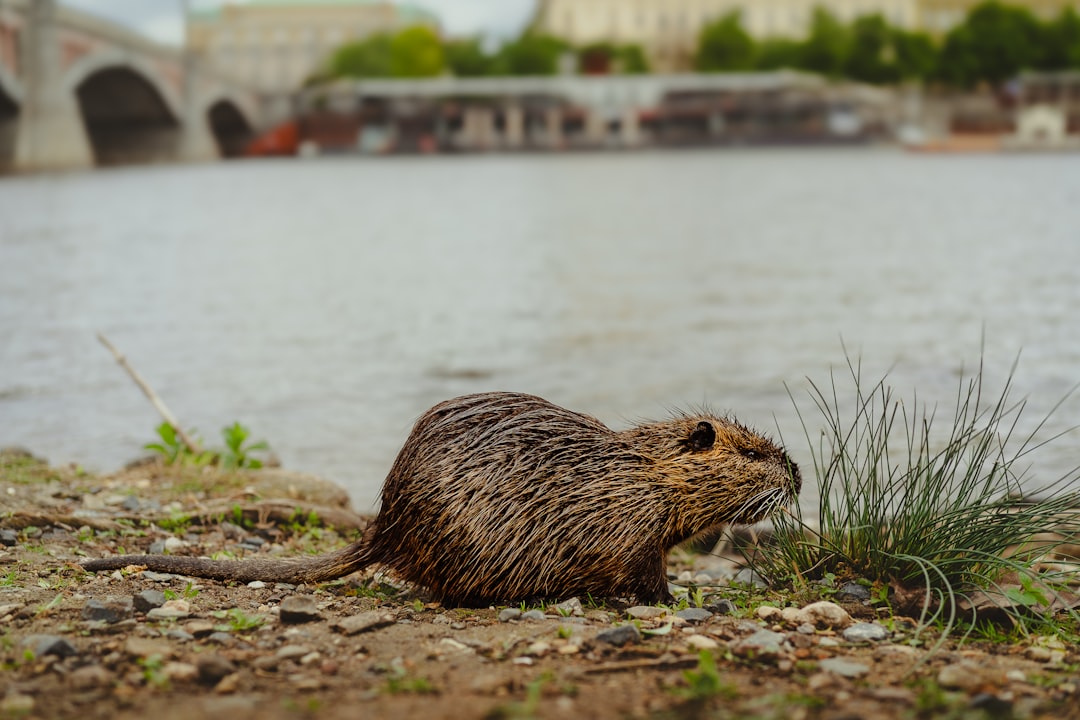
Wildlife Abounds – Even in Our Cities: Readers’ Favourite UK Nature Reserves and National Parks
Think you need to travel to the Amazon or the Serengeti for unforgettable wildlife encounters? Think again. Across the UK, from windswept highlands to urban wetlands tucked between motorways and tower blocks, nature is not just surviving – it’s thriving. Our readers have shared their favourite UK nature reserves and national parks, and the message is clear: wildlife abounds, often where you least expect it.

Whether you’re hoping to spot red deer at dawn, photograph puffins on dramatic cliffs, or watch kingfishers dart along a city canal, the UK offers world-class wildlife experiences on your doorstep. Here’s where to go – and how to make the most of your visit.
1. Urban Wildlife Wonders: Nature in the Heart of the City
You don’t have to leave the city limits to experience extraordinary wildlife. Some of the UK’s most inspiring nature reserves are located within or on the edge of major urban areas, making them perfect for spontaneous day trips.
London Wetland Centre is a reader favourite, transforming former reservoirs into a thriving habitat for otters, bitterns and migratory birds. In Manchester, WWT Martin Mere and local canal networks attract thousands of wintering wildfowl. Meanwhile, RSPB Leighton Moss near Lancaster proves that even close to busy towns, you can hear the booming call of a bittern across the reeds.
Urban reserves are particularly rewarding in early morning or late afternoon when wildlife is most active and crowds are thinner.
Practical tips for city wildlife spotting:
- Visit midweek for quieter hides and better photo opportunities.
- Bring binoculars – even small reserves can host distant marsh harriers or avocets.
- Check feeding times or guided walks on the reserve’s website.
- Use public transport where possible; many urban reserves are well connected.
These accessible green spaces are ideal for families, beginner birdwatchers, and anyone short on time but eager for a dose of nature.
2. Coastal Drama: Seabirds, Seals and Spectacular Scenery
The UK’s coastline stretches over 11,000 miles, offering some of Europe’s most dramatic wildlife spectacles. Readers consistently praise spots like Bempton Cliffs in Yorkshire, where thousands of gannets, puffins and guillemots nest on towering chalk cliffs each spring and summer.
Further north, the Farne Islands off Northumberland are famous for close encounters with grey seals and Arctic terns (bring a hat – they’re protective!). In Wales, Skomer Island draws wildlife lovers from across the globe for its puffin colonies and carpet of bluebells in late spring.
Scotland’s west coast also delivers unforgettable experiences, from basking sharks off the Isle of Mull to sea eagles soaring above the Isle of Skye.
Practical tips for coastal wildlife adventures:
- Time your visit for breeding season (usually April to July) for peak seabird activity.
- Book boat trips in advance during summer months.
- Wear layers – coastal weather can change rapidly.
- Respect wildlife distances, especially around seals and nesting birds.
Few experiences rival standing on a cliff edge as thousands of seabirds wheel overhead. The sound, the scale, the salt air – it’s pure, wild Britain.
3. National Parks: Big Landscapes, Bigger Wildlife Encounters
The UK’s 15 national parks protect some of the country’s most iconic landscapes – and its most charismatic wildlife. If you’re craving wide-open spaces, these are the places to go.
The Cairngorms National Park in Scotland is a standout for readers seeking truly wild experiences. Here, you might spot reindeer roaming subarctic plateaus, golden eagles circling overhead, or elusive wildcats in ancient Caledonian pine forests.
In England, the Lake District National Park isn’t just about lakes and literary history. Red squirrels still cling on in certain woodlands, while ospreys have successfully returned to nest around Bassenthwaite. Down south, the New Forest National Park offers close encounters with free-roaming ponies, deer and rare heathland birds.
Wales’ Snowdonia (Eryri) National Park combines rugged mountain scenery with choughs, peregrine falcons and, if you’re lucky, glimpses of otters along quiet rivers.
Practical tips for national park wildlife trips:
- Start early – dawn and dusk are prime wildlife hours.
- Research specific habitats (woodland, moorland, wetlands) for target species.
- Download offline maps; phone signal can be patchy.
- Follow the Countryside Code to protect fragile ecosystems.
National parks reward patience. Slow down, scan the horizon, and listen. Often, the most magical sightings happen when you least expect them.
4. Hidden Gems: Lesser-Known Reserves Worth the Detour
While famous parks draw the headlines, some of the UK’s best wildlife experiences happen in quieter, lesser-known reserves. Our readers love sharing these hidden gems – places where you might have a hide all to yourself.
RSPB Minsmere in Suffolk is a long-time favourite for its diverse habitats, from shingle beaches to reedbeds, attracting everything from marsh harriers to red deer. In the Midlands, Attenborough Nature Reserve in Nottinghamshire offers kingfishers, otters and an impressive array of wildfowl just minutes from urban life.
In Northern Ireland, Strangford Lough is a biodiversity hotspot, particularly for wintering birds. Meanwhile, The Lizard Peninsula in Cornwall boasts rare wildflowers and excellent opportunities for dolphin and seal spotting.
Smaller reserves often provide more intimate wildlife encounters and a stronger sense of discovery.
Practical tips for exploring hidden gems:
- Check local wildlife trust websites for seasonal highlights.
- Pack snacks and water – facilities may be limited.
- Bring a field guide or wildlife app to identify new species.
- Consider volunteering or donating to support conservation efforts.
These quieter spots remind us that you don’t need grand mountain ranges for meaningful nature moments – sometimes a simple reed-fringed pond can deliver the day’s most memorable sighting.
Why Wildlife Travel in the UK Matters
Exploring the UK’s nature reserves and national parks isn’t just about ticking species off a list. It supports conservation charities, boosts local economies, and deepens our connection to the landscapes around us. In an age of climate anxiety and digital overload, stepping into a woodland or scanning a windswept shoreline offers something grounding and essential.
Better still, wildlife travel in the UK is accessible. You don’t need expensive flights or complex itineraries. A train ticket, a sturdy pair of boots and a bit of curiosity are often enough.
So whether you’re planning a dedicated wildlife holiday in the Scottish Highlands or simply exploring a city wetland on your lunch break, remember: extraordinary encounters are closer than you think.
Ready to discover your own favourite? Pack your binoculars, choose a reserve you’ve never visited, and let the UK’s wild side surprise you. Then share your experience – because the best wildlife stories are the ones we pass on.