


‘Walking in the Lake District Drizzle Rewired My Head’: Readers’ Life-Changing Trips
It wasn’t sunshine that changed her life. It was drizzle.
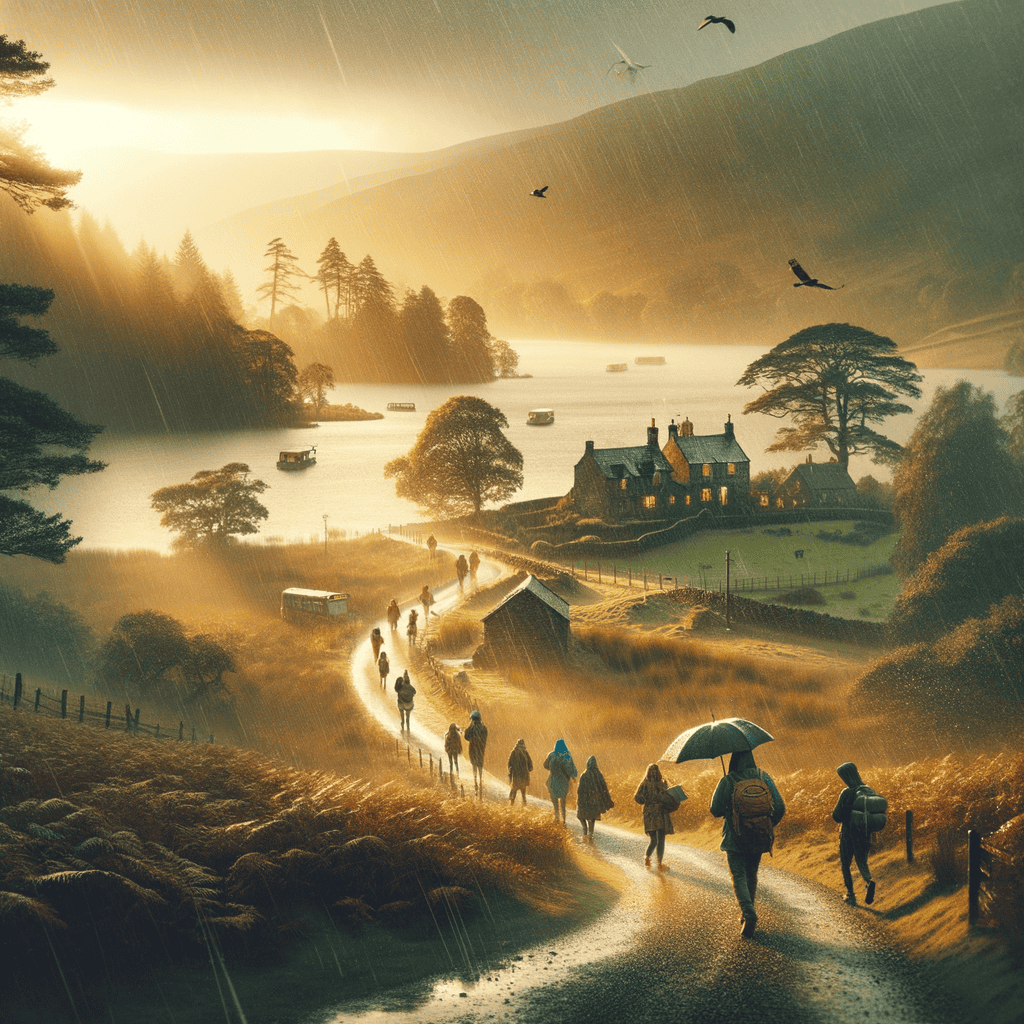
When marketing executive Laura Bennett booked a solo weekend in England’s Lake District, she expected pretty views and decent pub lunches. What she didn’t expect was a slow, steady walk through silver mist and soft rain that would “rewire” her thinking about work, success and what actually matters.
She’s not alone. From misty fells in Cumbria to windswept coastlines in Portugal and silent forests in Japan, readers tell us that the most life-changing trips are rarely the most luxurious. They’re the ones that slow you down, shake your routine and make you see the world — and yourself — differently.
Here’s how a simple walk in the Lake District drizzle became a catalyst for clarity, and how you can plan your own perspective-shifting journey.
1. Why the Lake District’s Drizzle Is More Powerful Than Sunshine
“I thought I’d hate the rain,” Laura told us. “Instead, it stripped everything back. No filters. No distractions. Just me, the hills and the sound of my own thoughts.”
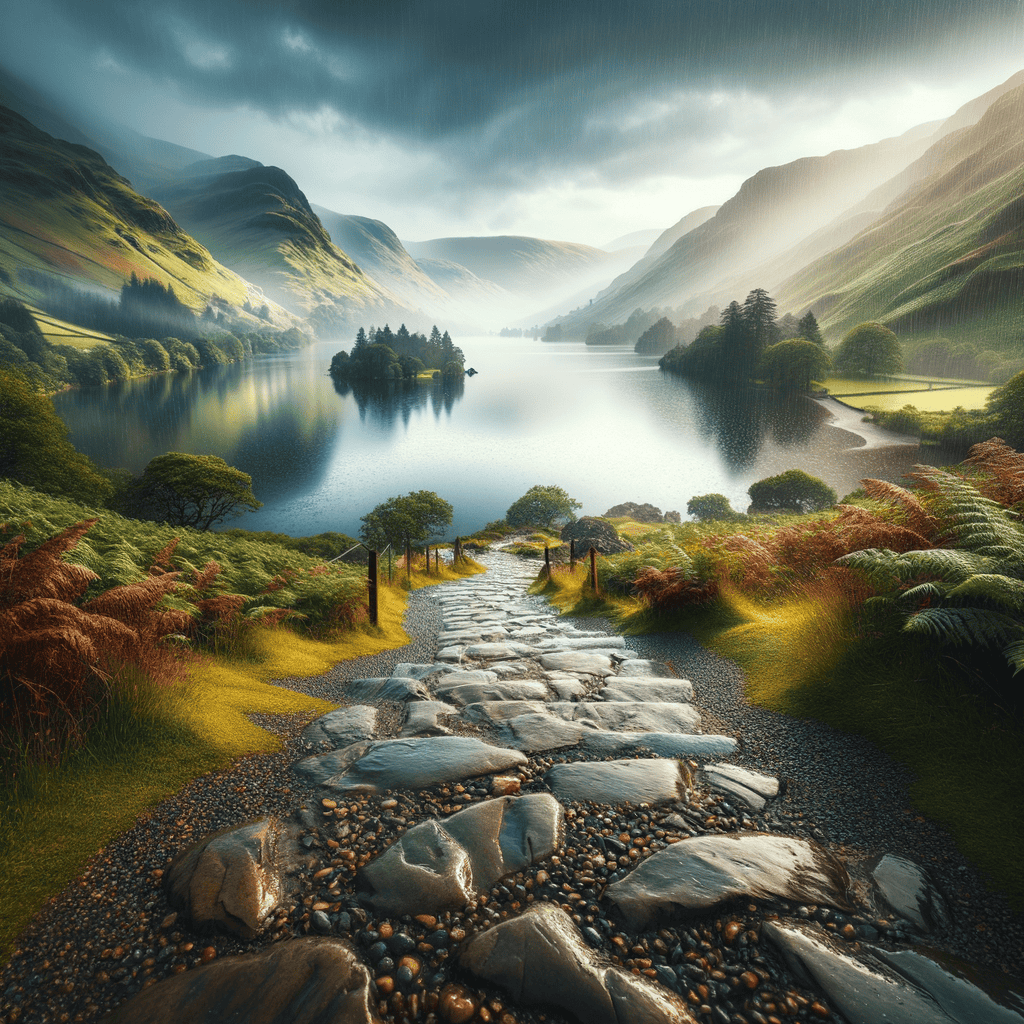
The Lake District, a UNESCO World Heritage Site in northwest England, is famous for its moody skies and reflective waters. While many travelers hope for postcard-perfect sunshine, it’s the drizzle that often delivers the deeper experience.
Rain softens the landscape. It mutes the colors into calming greens and greys. Footpaths empty. Conversations quiet. You walk more slowly, more deliberately. And in that slower rhythm, your mind begins to settle.
Psychologists call this “soft fascination” — when nature gently holds your attention without overwhelming it. Research shows that time in natural settings reduces stress, improves cognitive function and boosts creativity. Add a light rain, and you’re fully immersed in the moment.
Practical tips for embracing the drizzle:
- Pack waterproofs, not expectations. A lightweight rain jacket, waterproof boots and a cover for your backpack are essential.
- Choose quieter trails. Catbells, Tarn Hows and Grasmere offer accessible routes that feel magical in mist.
- Walk without headphones. Let the sound of rain on leaves replace your usual playlist.
- Schedule “nothing time.” Leave gaps in your itinerary for aimless wandering.
Instead of chasing perfect weather, let the Lake District’s unpredictability become part of the experience. You may find that discomfort opens the door to clarity.
2. The Solo Travel Reset: Space to Hear Yourself Think
Many readers say their life-changing trips happened alone.
In everyday life, we’re rarely without input — emails, group chats, meetings, social media. Solo travel removes that constant feedback loop. Walking alone along Derwentwater or climbing Helvellyn in the early morning fog, you’re left with your own internal dialogue.
At first, that can be uncomfortable. Then it becomes liberating.
Laura described a turning point halfway up a soggy hillside: “I realized I’d been measuring my life against other people’s timelines. In that moment, none of it mattered. The hill didn’t care about my LinkedIn profile.”
Distance from routine often creates distance from pressure. With fewer external cues, you start noticing what actually excites you, drains you or needs to change.
How to design a powerful solo trip:
- Start small. A two- or three-night getaway is enough to create mental space.
- Stay somewhere simple. A countryside B&B, hostel or cottage keeps the focus on experience, not luxury.
- Limit digital noise. Set specific times to check your phone — or go fully offline.
- Bring a notebook. Capture thoughts immediately after walks, when insights are fresh.
You don’t need to trek across the world. Sometimes a few hours from home, in a place where you can’t rely on your usual distractions, is enough to shift your perspective.
3. Walking as Moving Meditation
There’s something uniquely transformative about walking.
Unlike high-adrenaline adventures, walking is repetitive and rhythmic. Each step becomes a quiet anchor. In the Lake District, the terrain demands attention — slick stones, uneven paths, gentle climbs. Your body engages just enough to keep your mind present.
Readers often describe a “mental untangling” that happens somewhere between the first mile and the fifth. Problems that seemed complex begin to simplify. Decisions that felt overwhelming start to clarify.
This isn’t magic. It’s neuroscience.
Studies show that bilateral movement — like walking — can enhance creative thinking and emotional processing. Combine that with nature exposure, and you have a powerful mental reset button.
For Laura, the breakthrough came during a long loop from Ambleside to Rydal Water: “By the time I got back to town, I’d mentally drafted my resignation. Not because I hated my job — but because I finally knew what I wanted instead.”
How to turn a walk into a life-changing ritual:
- Set an intention before you start. Ask yourself a simple question: What needs clarity in my life right now?
- Walk at a conversational pace. You should be able to breathe deeply and think comfortably.
- Pause at viewpoints. Physical perspective often sparks mental perspective.
- Reflect immediately after. Write down ideas before re-entering busy environments.
You don’t have to summit the highest peak. Sometimes the most powerful journeys happen on modest trails with big views.
4. Bringing the Transformation Home
A trip can feel life-changing in the moment. The real test is what happens next.
Laura returned from the Lake District and made gradual, intentional changes. Within three months, she negotiated a four-day workweek. Within six, she’d launched a small creative consultancy focused on sustainable brands.
Not every reader makes dramatic career moves. Some simply establish healthier boundaries. Others commit to regular nature time. A few plan annual “thinking trips” to recalibrate.
The key is integration.
How to turn travel insight into lasting change:
- Identify one concrete action. Big realizations are powerful, but small steps make them real.
- Create a reminder. A photo of misty fells as your phone background can anchor you to that feeling.
- Schedule your next reset. Having another trip planned reinforces your commitment to balance.
- Share your story. Talking about your experience strengthens its meaning.
The Lake District drizzle didn’t magically solve Laura’s problems. It gave her the space to see them clearly — and the courage to respond differently.
That’s the quiet power of transformative travel. It’s not about escaping your life. It’s about stepping far enough outside it to see it whole.
Planning Your Own Life-Changing Trip
If you’re feeling stuck, restless or simply curious, consider this your invitation.
You don’t need perfect weather, a five-star resort or a meticulously curated itinerary. You need time, intention and a landscape that slows you down. The Lake District is a beautiful starting point — with its reflective lakes, storybook villages and brooding skies — but the principle works anywhere nature takes center stage.
Ask yourself:
- Where can I go that feels different from my daily environment?
- How can I build in long, uninterrupted walks?
- What question do I need answered?
Then go. Walk. Let the drizzle fall if it wants to.
You might come home with muddy boots and damp hair. You might also come home with a clearer mind, a braver heart and a life pointed in a new direction.
Ready to plan your own perspective-shifting escape? Start researching trails, book that simple guesthouse and block the dates in your calendar. Your breakthrough could be waiting in the mist.