


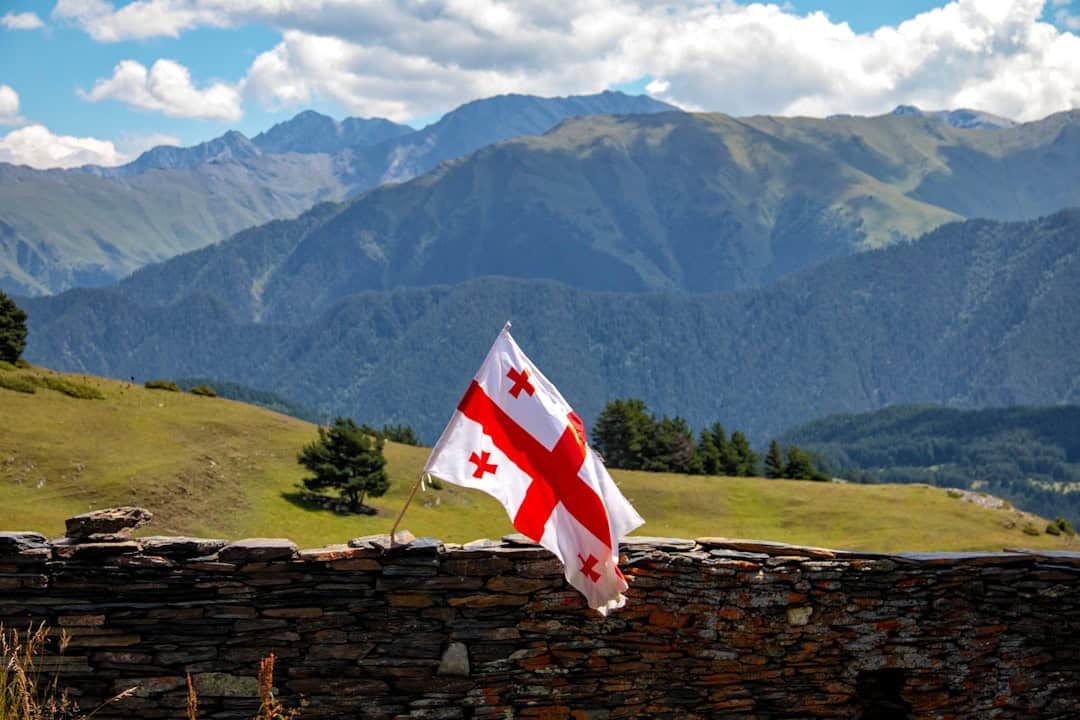
Is 2026 the Year to Visit Georgia? Why Tbilisi Is Trending Right Now
I paid €3.20 for a glass of amber wine in a 200-year-old cellar last spring. My boutique hotel in Tbilisi’s Sololaki district cost €68 per night with breakfast. And the 40-minute Bolt ride from the airport was just €9.
After a decade of bouncing around Europe’s “next big thing” cities, I’ll say it clearly: 2026 might be Georgia’s sweet spot — right before it tips from cool to crowded.
Key Takeaways
- Return flights from Europe to Tbilisi often range from €120–€250 if booked 2–4 months ahead.
- Comfortable boutique hotels in central Tbilisi average €60–€100 per night in 2026.
- Most major sights in Tbilisi are within 2 km and easily walkable.
- Day trips to Kazbegi or Kakheti cost €20–€40 with a small-group tour.
- Spring (April–June) and fall (September–October) offer the best weather and prices.
Why Tbilisi Is Trending in 2026
Tbilisi sits at the crossroads of Europe and Asia — culturally, geographically, and politically. That mix shows up everywhere: Persian-style bathhouses, Soviet brutalism, Italianate balconies, and minimalist wine bars all on the same street.
But the real reason it’s trending? It still feels undiscovered — yet it’s easy.
Visa-free entry for many nationalities. Solid 4G and fast Wi-Fi. A thriving café and co-working scene. And prices that haven’t (yet) caught up with Lisbon or Barcelona.
Digital nomads came first. Food lovers followed. Now mainstream travelers are catching on.
What Makes Tbilisi Different From Other “Up-and-Coming” Cities
Let’s be honest. Every year there’s a new “affordable alternative to Western Europe.” Most feel like watered-down versions of somewhere else.
Tbilisi doesn’t.
It has its own script, its own alphabet, and an 8,000-year-old wine tradition. Georgia claims to be the birthplace of wine — and after tasting earthy qvevri amber wines poured from clay vessels buried underground, I’m inclined to believe them.
You’re not getting a budget Prague. You’re getting something far stranger — and more interesting.
The Best Things to Do in Tbilisi (Without Wasting Time)
1. Wander the Old Town — But Go Early
The Old Town is compact. You can cross it in 20 minutes. Cobbled streets, carved wooden balconies, laundry lines, stray cats — it’s photogenic without trying.
Go before 10 a.m. to avoid tour groups. Skip the souvenir-heavy streets near Meidan Bazaar unless you’re genuinely shopping.
2. Soak in the Sulfur Baths (But Choose Wisely)
Abanotubani’s domed bathhouses are iconic. A private room costs around 80–150 GEL (€27–€50) per hour.
Orbeliani Bath is beautifully restored but pricier. For something more local and less polished, try Chreli Abano. Book ahead on weekends.
3. Ride the Cable Car to Narikala Fortress
It costs just 2.5 GEL (under €1) with a MetroMoney card. The ride takes two minutes.
Go for sunset. The view over the Kura River and red rooftops is worth it — even if the fortress itself is mostly ruins.
4. Explore Fabrika (But Don’t Stay There)
Fabrika, a converted Soviet sewing factory, is the city’s creative hub. Street art, concept stores, wine bars.
Great to visit. Too noisy to sleep — unless you’re 22 and backpacking.
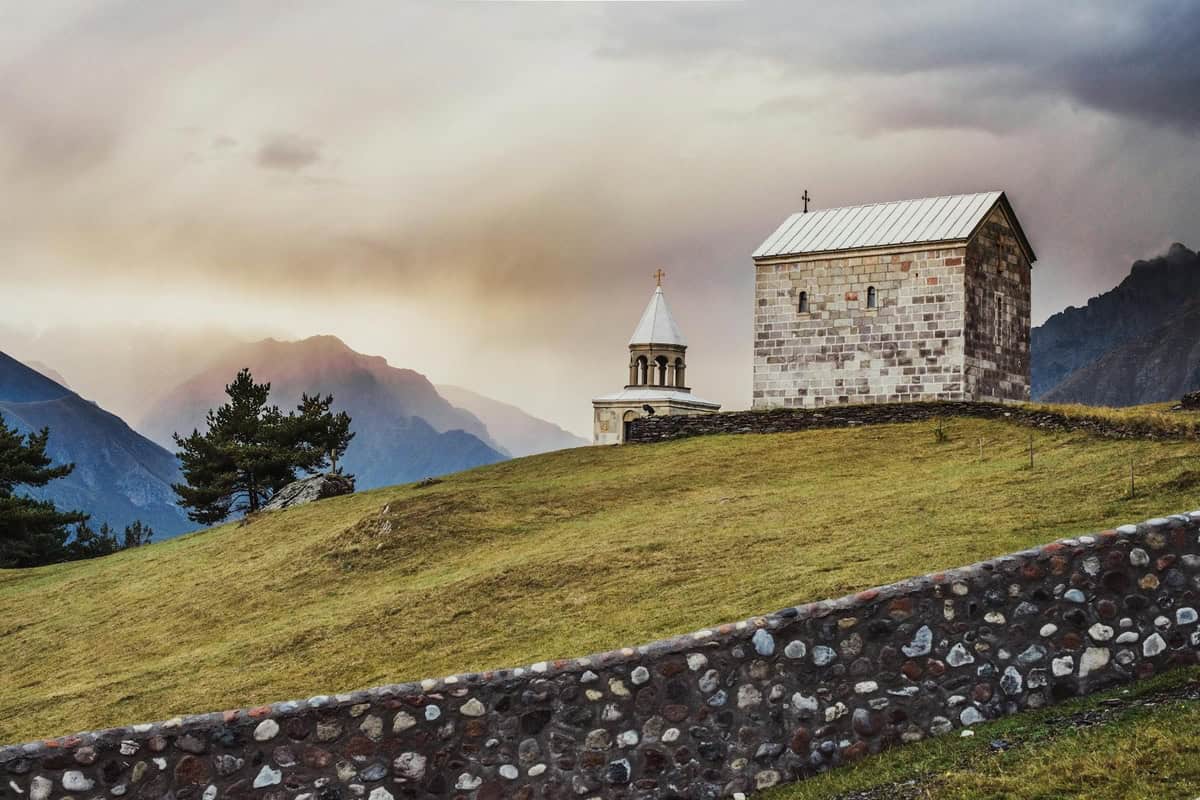
5. Take a Day Trip to Kazbegi
The drive along the Georgian Military Highway is dramatic: snow peaks, turquoise reservoirs, roadside honey stalls.
A small-group tour costs €30–€40. Or hire a driver for about €80–€100. The Gergeti Trinity Church, perched at 2,170 meters, is Georgia’s postcard shot.
Where to Eat (And What to Skip)
Georgian cuisine is heavy, comforting, and carb-forward. You will eat bread. A lot of it.
Must-Try Dishes
- Khachapuri – Cheese-filled bread; Adjaruli (with egg and butter) is the classic.
- Khinkali – Soup dumplings; twist, bite, sip, then eat.
- Badrijani – Eggplant rolls with walnut paste.
- Lobio – Spiced bean stew served in clay pots.
Where I’d Actually Go Back
Shavi Lomi – Modern Georgian in a courtyard setting. Expect €15–€20 per person with wine.
Mapshalia – No-frills, Megrelian comfort food. Under €10 for a filling meal.
8000 Vintages – Best intro to Georgian wine. Staff actually explain what you’re drinking.
Tourist trap alert: Restaurants with aggressive hosts on Leselidze Street. Mediocre food, inflated prices.
How Affordable Is Georgia in 2026?
Still affordable — but rising.
Coffee in a specialty café: €2.50–€3.50.
Three-course dinner with wine: €20–€30.
Metro ride: €0.30.
Day tour: €25–€40.
Compared to Western Europe, you’re spending roughly 40–60% less for similar comfort.
Flights are the wildcard. From Germany, Italy, or Poland, you can often find return fares under €200 if you book smart. If you’re planning ahead, check these data-backed strategies for finding cheap Summer 2026 flights — they apply perfectly to routes to Tbilisi.
Tech & Connectivity: Surprisingly Smooth
Georgia is digitally friendly.
Local SIM cards (Magti is reliable) cost around €10–€15 for generous data. Speeds in Tbilisi regularly hit 20–50 Mbps.
Most cafés offer solid Wi-Fi, making it easy to mix sightseeing with remote work.
If you’re planning hikes in Kazbegi or multi-day explorations, wearables can help with altitude and exertion tracking. The latest Fitbit Public Preview travel features — especially VO2 Max insights — are surprisingly useful when climbing steep trails above 2,000 meters.
When to Visit Georgia
Best overall: May–June and September–October.
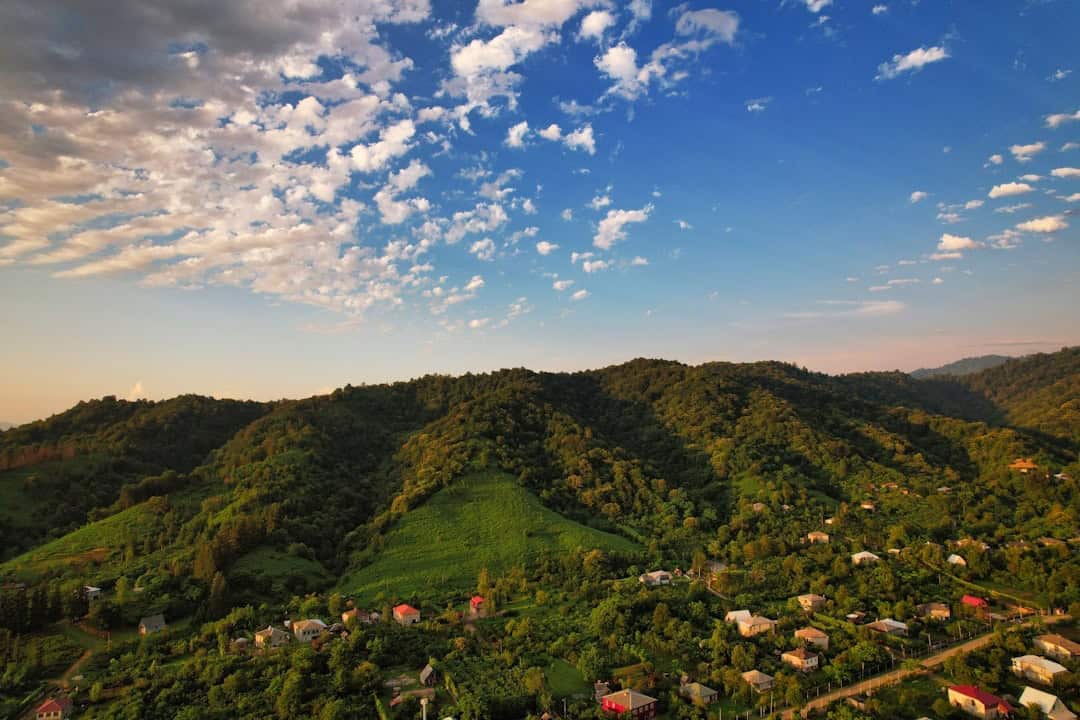
Temperatures hover between 18–28°C (64–82°F). Wine harvest season in Kakheti (September) is especially lively.
July and August can hit 35°C (95°F) in Tbilisi. Winter is quieter and cheaper, but mountain roads may close.
Is 2026 the Right Time — Or Should You Wait?
Here’s my honest take.
Georgia is at that perfect intersection: developed enough to be comfortable, raw enough to feel authentic.
Hotel prices are creeping up. More boutique openings are coming. International media coverage is increasing.
Give it 3–5 years, and Tbilisi may follow the path of Budapest or Kraków — still great, just busier and pricier.
If you like being slightly ahead of the curve, 2026 is your window.
Practical Tips Before You Go
- Use Bolt instead of taxis — cheaper and avoids negotiation.
- Carry some cash — smaller bakeries and rural spots may not take cards.
- Learn a few Georgian words — even “gamarjoba” (hello) goes a long way.
- Plan 3–4 full days in Tbilisi — plus 2–3 for mountains or wine regions.
- Don’t overpack your schedule — Georgia is best experienced slowly, with long dinners and wine.
Final Verdict: Should You Visit Georgia in 2026?
Yes — especially if you’re curious, food-driven, and slightly allergic to mass tourism.
Tbilisi isn’t polished. Sidewalks crack. Service can be slow. Plans change.
But that’s part of the charm.
Go for the wine. Stay for the mountains. Return because you can’t quite explain it to your friends.
If Georgia’s been hovering on your “maybe” list, consider this your sign. Book the flight, block five days, and see it before everyone else does.
Frequently Asked Questions
Is Georgia (the country) expensive in 2026?
No. Mid-range travelers can comfortably spend €50–€90 per day excluding flights, with hotels around €60–€100 and meals under €15 in most local restaurants.
How many days do you need in Tbilisi?
Plan at least 3–4 full days to explore the city properly, plus 1–2 extra days for day trips to Kazbegi or the Kakheti wine region.
Is Tbilisi safe for tourists?
Yes. Tbilisi is generally very safe, even at night in central areas, though standard city precautions apply.
When is the best month to visit Georgia?
May, June, September, and October offer the best balance of pleasant weather (18–28°C) and fewer crowds compared to peak summer.