
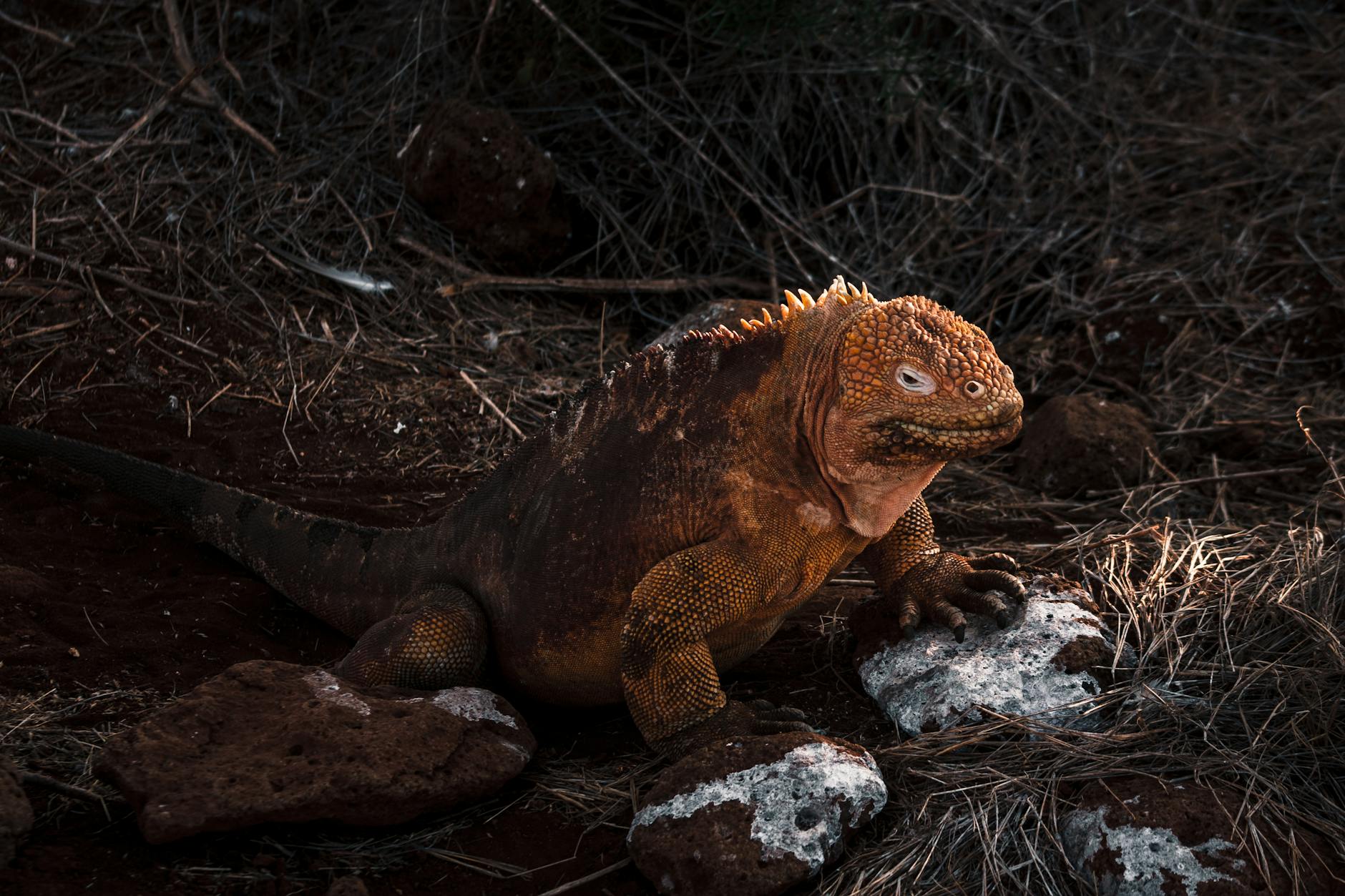
Villagers on Príncipe, the ‘African Galapagos’, to Be Paid for Protecting the Ecosystem
Imagine living in a place so wild, so biologically rich, that scientists compare it to the Galapagos Islands. Now imagine being paid to protect it. On Príncipe, a tiny volcanic island off the coast of West Africa, that vision is becoming reality. In a groundbreaking conservation effort, local villagers are being financially rewarded for safeguarding their forests, reefs, and rare wildlife—turning sustainability into a shared community mission.
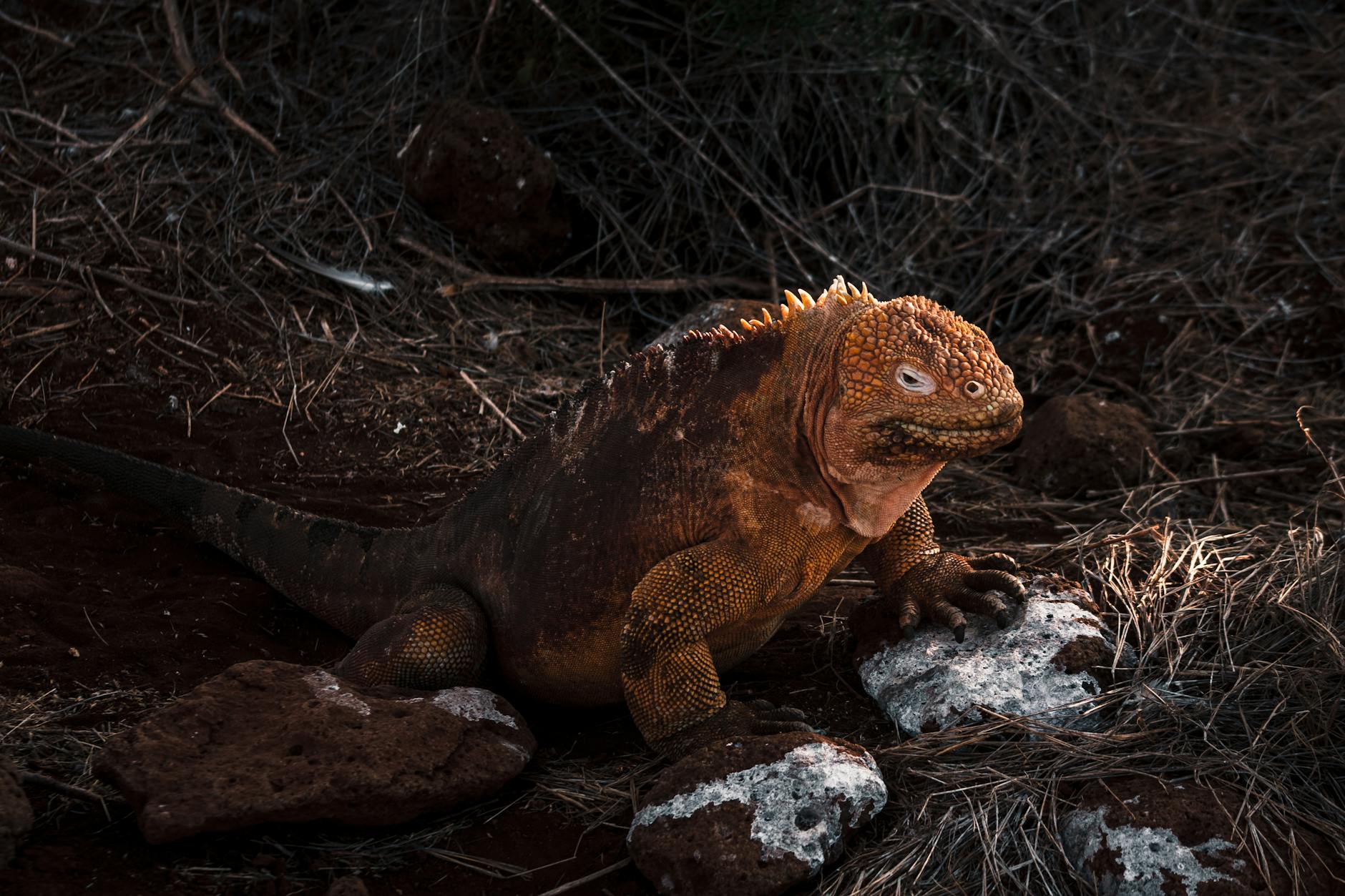
For travelers seeking meaningful, low-impact adventures, Príncipe offers more than postcard-perfect beaches and jungle-covered peaks. It’s a living example of how tourism, conservation, and local livelihoods can work hand in hand. Here’s what makes this “African Galapagos” so special—and how you can experience it responsibly.
1. Why Príncipe Is Called the “African Galapagos”
Príncipe is part of São Tomé and Príncipe, Africa’s second-smallest country. Isolated in the Gulf of Guinea for millions of years, the island has evolved into a biodiversity hotspot. More than 30% of its species are found nowhere else on Earth.
Think misty rainforests filled with rare orchids, brightly colored birds like the Príncipe kingfisher, and sea turtles nesting on untouched beaches. The island’s central highlands are protected as part of the UNESCO-listed Príncipe Biosphere Reserve, a recognition of its extraordinary ecological value.
But what truly sets Príncipe apart is its scale. With fewer than 10,000 residents, the island feels intimate and uncrowded. There are no high-rise resorts, no cruise ship terminals—just small communities, eco-lodges, and thick jungle stretching to the sea.
Practical tips for nature lovers:
- Visit during turtle nesting season (typically November to April) for guided nighttime conservation walks.
- Hire certified local guides for rainforest hikes—they know where to spot endemic birds and medicinal plants.
- Pack light, breathable clothing and waterproof gear; tropical showers are frequent.
- Bring reef-safe sunscreen to protect fragile marine ecosystems.
2. Paying Communities to Protect Paradise
Conservation often struggles because it asks local communities to give up short-term income for long-term environmental benefits. Príncipe is flipping that model.
Through new sustainability initiatives supported by conservation groups and responsible tourism operators, villagers are being compensated for protecting forests, preventing illegal logging, monitoring wildlife, and maintaining sustainable fishing practices. Instead of exploiting natural resources, communities are rewarded for preserving them.
This approach—sometimes called “payments for ecosystem services”—creates a powerful incentive structure. Healthy forests mean clean water, stable soils, and carbon storage. Protected reefs mean more fish in the long run. And preserved wildlife attracts eco-conscious travelers willing to support the local economy.
For residents, this means income tied directly to environmental stewardship. For travelers, it means your visit contributes to a system where conservation pays.
How travelers can support the model:
- Stay at eco-lodges that employ local staff and reinvest in conservation programs.
- Book tours directly with community cooperatives.
- Ask how your accommodation supports local sustainability initiatives.
- Avoid activities that exploit wildlife or damage coral reefs.
When your tourism dollars align with conservation goals, your trip becomes part of the solution.
3. What You’ll Experience as a Responsible Traveler
Príncipe is not a party island. It’s a place for hikers, birdwatchers, divers, and curious travelers who value authenticity over luxury gloss. The reward? Raw beauty and meaningful connection.
You might trek through Obo National Park, where volcanic spires rise dramatically above the forest canopy. Or snorkel in Baía das Agulhas, swimming alongside vibrant reef fish in remarkably clear waters. On land, you’ll likely pass through small villages where life moves slowly—children playing football, fishermen repairing nets, women preparing fresh breadfruit and grilled fish.
Because the island is investing in sustainable tourism, visitor numbers remain low. That means more personal experiences and minimal environmental strain.
Practical travel advice:
- Fly into São Tomé Island first, then take a short domestic flight to Príncipe.
- Carry cash; ATMs are limited and cards are not widely accepted.
- Respect local customs—dress modestly in villages and always ask before taking photos of people.
- Be patient with infrastructure; power outages and slow Wi-Fi are part of island life.
This is a destination where slowing down isn’t optional—it’s the point.
4. The Future of Eco-Tourism in Príncipe
Príncipe’s conservation-payment model could become a blueprint for other fragile destinations worldwide. By directly linking community income to ecosystem health, the island is creating a sustainable feedback loop: protect nature, attract responsible visitors, reinvest in protection.
However, the balance is delicate. Too much tourism could strain resources. Too little could weaken financial incentives for conservation. That’s why careful planning, visitor caps, and strong community involvement are essential.
For now, Príncipe remains a rare example of tourism done thoughtfully. Development is measured. Forests still dominate the skyline. Beaches remain blissfully empty.
How to future-proof your visit:
- Travel in small groups to minimize impact.
- Choose longer stays over quick stopovers—fewer flights mean lower carbon emissions.
- Offset your carbon footprint through verified climate programs.
- Share your experience responsibly on social media, emphasizing conservation over “hidden gem” hype.
As travelers become more conscious of their environmental impact, destinations like Príncipe show what’s possible when sustainability leads the way.
Conclusion: Travel That Protects What You Love
Príncipe isn’t just another tropical escape. It’s proof that protecting paradise can also provide livelihoods. By paying villagers to safeguard forests, reefs, and wildlife, the island is redefining what eco-tourism can achieve.
When you visit, you’re not just exploring one of Africa’s most extraordinary landscapes—you’re participating in a system that values preservation over exploitation. You’re helping ensure that rare birds continue to sing in the rainforest canopy and that sea turtles return to nest on quiet, moonlit beaches.
If you’re searching for a destination where your travel choices truly matter, put Príncipe on your list. Travel thoughtfully. Spend locally. Protect what you explore.
The “African Galapagos” is waiting—and its future depends on all of us.