


Tuscany Wine Travel Guide 2026: 8 Boutique Vineyards You Can Visit Without a Car
I’ll say it straight: you do not need a rental car to drink world-class wine in Tuscany.
In fact, skipping the car makes the experience better. No designated driver stress. No narrow gravel roads after three glasses of Brunello. Just trains, short walks, and the kind of slow travel Tuscany was made for.
Here are eight boutique vineyards you can easily visit by train, bus, or on foot in 2026 — all personally vetted, all small enough to feel intimate, and none requiring you to white-knuckle a Fiat through vineyard switchbacks.
Key Takeaways
- Most wineries listed are within 10–25 minutes’ walk from train stations in towns like Montepulciano, Montalcino, and Siena.
- Tastings cost €20–€45 per person and almost always require advance booking.
- Florence to Siena by train takes 1h30; Siena to Montalcino by bus takes about 1h15.
- Best months for fewer crowds and lower prices: May–June and September–October.
How to Do Tuscany Wine Travel Without a Car
Base yourself in one of three train-connected towns: Florence, Siena, or Montepulciano.
Florence is the easiest entry point. But if wine is your priority, stay in Siena or Montepulciano — you’ll cut daily travel time in half and avoid day-trip crowds.
Use Trenitalia regional trains and local buses. Tickets are cheap (usually €4–€12 per leg), reliable, and far less stressful than driving.
If you’re normally a road-trip person — like the kind who’d map out five days across Utah’s national parks — think of this as the Italian slow-travel equivalent. Same freedom. More Chianti.
1. Fattoria Lornano (Near Siena)
Getting there: 10-minute taxi from Siena station (€15) or 30-minute walk.
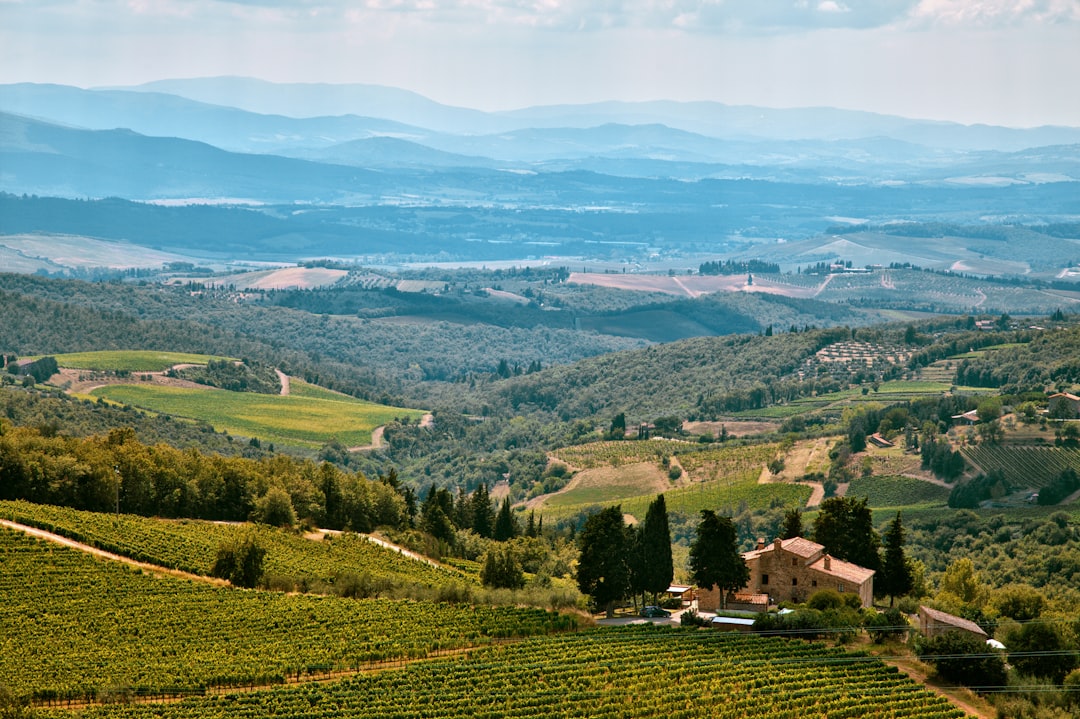
Lornano is what people imagine Tuscany looks like: stone farmhouse, cypress trees, golden hills.
Tastings start at €25 and include Chianti Classico and Super Tuscan blends. Small production, family-run, and refreshingly non-corporate.
Skip the huge bus-tour wineries outside Siena. Lornano feels personal.
2. Enoteca la Fortezza + Local Producers (Montalcino)
Getting there: Train to Siena, bus 114 to Montalcino (1h15).
Montalcino isn’t flat — prepare for uphill walking.
Inside the medieval fortress, Enoteca la Fortezza showcases small Brunello producers. Tasting flights from €20.
Want boutique? Ask for Poggio di Sotto or Le Ragnaie — both elegant, terroir-driven Brunellos without the mass-market feel.
3. Cantina Ercolani (Montepulciano)
Getting there: Train to Montepulciano Stazione, bus up to the historic center (15 minutes).
This underground cellar sits beneath the town itself.
Tours cost around €30 and include Vino Nobile tastings inside centuries-old tunnels. It’s intimate, atmospheric, and right in town — no countryside logistics required.
Montepulciano is more walkable than Montalcino, making it my top choice for car-free wine travelers.
4. Avignonesi (Montepulciano)
Getting there: 10-minute taxi from Montepulciano center (€20).
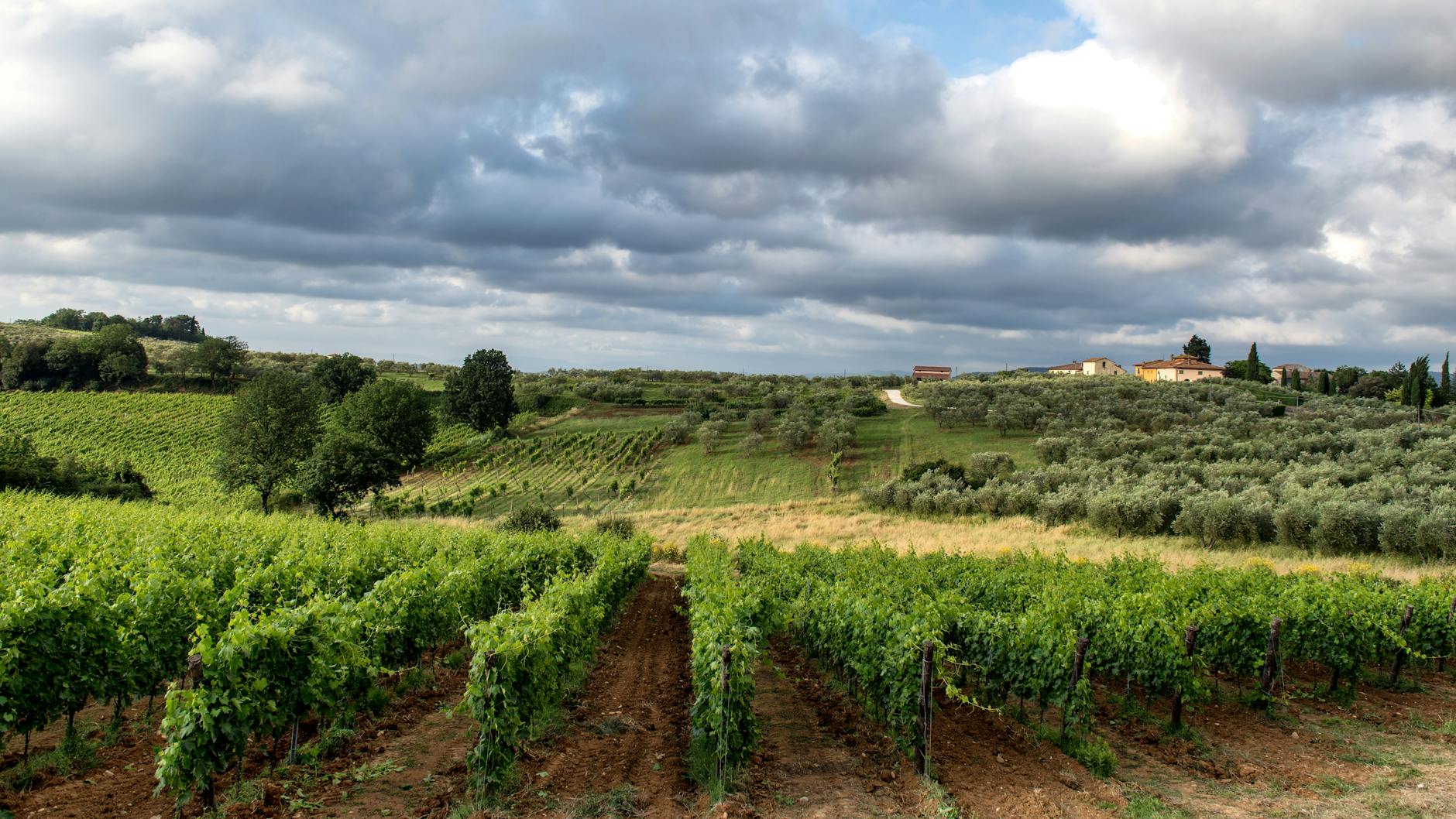
Technically biodynamic. Practically excellent.
Expect structured Vino Nobile and Vin Santo. Tastings range from €35–€45, but the quality justifies it.
Book the garden tasting in warm months — long tables, vineyard views, zero tour buses.
5. Tenuta di Petrolo (Near Bucine, Chianti Area)
Getting there: Train from Florence to Bucine (1 hour), 10-minute taxi.
This is boutique Chianti without the Instagram circus.
Petrolo focuses on Sangiovese and Merlot blends. Tastings from €30, by appointment only.
If you want serious wine people — not bachelorette parties — this is your place.
6. Castello di Volpaia (Radda in Chianti)
Getting there: Bus from Siena to Radda (about 1 hour).
Yes, it’s more well-known. But it’s still charming.
The entire medieval village is essentially the winery. Tastings from €25, and you can wander stone alleys between pours.
Stay for lunch at their Osteria. The wild boar pappardelle alone is worth the trip.
7. Fèlsina (Castelnuovo Berardenga)
Getting there: Bus from Siena (30–40 minutes), short taxi ride.
Fèlsina produces one of my favorite Chianti Classicos — structured, age-worthy, complex.
Tastings start around €30 and often include single-vineyard selections.
This is for travelers who care about soil types and aging techniques, not just pretty views.
8. Podere Il Casale (Near Pienza)
Getting there: Bus to Pienza from Montepulciano, 20-minute walk.
Organic farm, pecorino cheese, panoramic Val d’Orcia views.
Tastings with cheese pairings start around €28. Less formal, more rustic — in the best way.
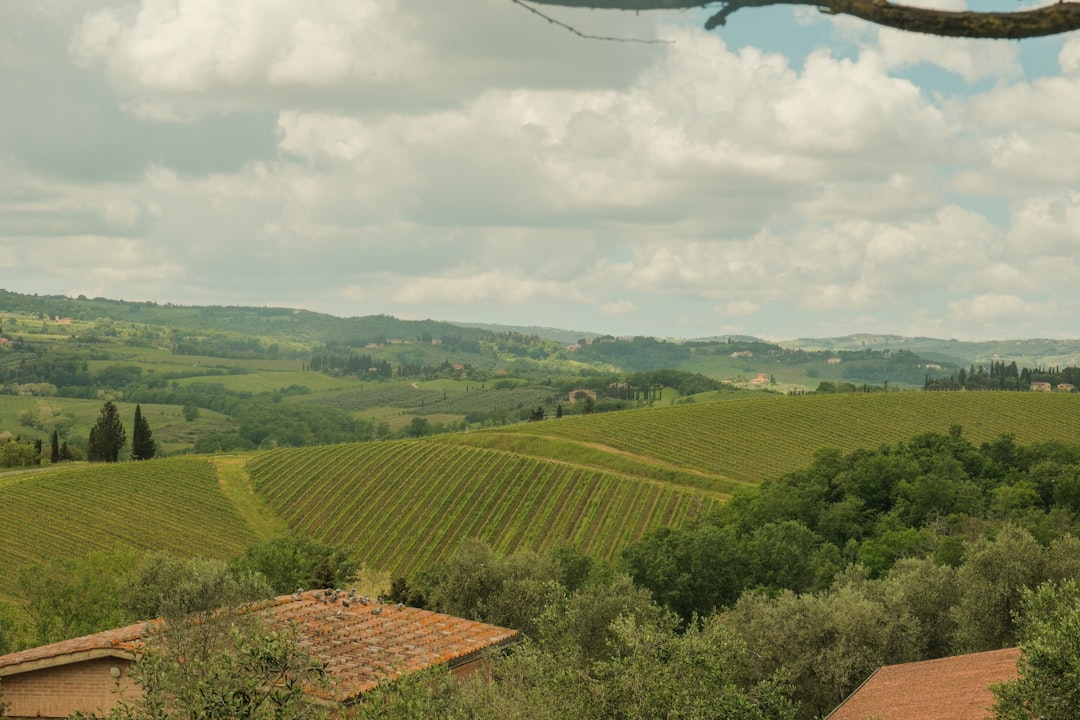
Book a late afternoon slot. Sunset here is ridiculous.
Practical Tips for Car-Free Wine Travel in Tuscany
- Book tastings 3–7 days in advance — small wineries fill up fast in 2026.
- Check bus schedules the day before — rural routes don’t run hourly.
- Use Google Maps + Trenitalia app for real-time updates.
- Stay overnight in wine towns instead of day-tripping from Florence.
- Plan max two tastings per day — Tuscan pours are generous.
Budget-wise, expect €60–€90 per day for tastings and transport combined (excluding accommodation).
Compare that to organized wine tours from Florence at €120–€180 per person — and you’ll see why DIY wins.
When to Visit Tuscany for Wine in 2026
Best overall: May, June, late September, early October.
Harvest season (vendemmia) in late September is magical but busy. Book everything early.
July and August? Hot, crowded, and pricier. I avoid them.
If you love shoulder-season travel — like exploring Portugal’s Alentejo in quieter months (see our guide to hidden Alentejo gems for a shoulder-season road trip) — Tuscany in late May or early October hits that same sweet spot.
Where to Base Yourself (My Honest Ranking)
1. Montepulciano — Most walkable, best balance of wine and atmosphere.
2. Siena — Excellent transport hub, more city energy.
3. Florence — Great airport access, but too many rushed day-trippers.
If your goal is immersive wine travel, not checklist tourism, skip Florence after day two.
Is Tuscany Wine Travel Without a Car Actually Worth It?
Yes — if you plan it correctly.
You’ll visit fewer wineries than someone driving. But you’ll taste more thoughtfully, spend more time in each town, and avoid logistical stress.
Tuscany rewards slow travelers. The kind who linger over Brunello, miss a bus, and don’t mind.
If that sounds like you, start booking those train tickets.
And if you try one of these vineyards, let us know at Distratech — we’re always updating our 2026 guides with real traveler feedback.
Frequently Asked Questions
Can you visit Tuscany wineries without a car?
Yes. Many boutique wineries near Siena, Montepulciano, and Montalcino are accessible by train and local bus, often followed by a short walk or €15–€25 taxi ride.
How much do wine tastings cost in Tuscany in 2026?
Expect to pay €20–€45 per person for boutique winery tastings. Premium Brunello or private vineyard tours can cost €50–€70.
What is the best town to stay in for wine tasting?
Montepulciano is the most convenient car-free base thanks to its walkable center and access to Vino Nobile producers. Siena is a strong second option for transport connections.
When is the best month to visit Tuscany for wine?
May, June, and late September offer the best mix of weather, vineyard activity, and manageable crowds. Avoid August if possible due to heat and tourism peaks.