


Hiking the Tour du Mont Blanc in 2026: Costs, Routes & Booking Tips for This Summer
The first time I hiked the Tour du Mont Blanc (TMB), I thought I was “pretty fit.” By day three—climbing out of Courmayeur in 28°C heat with 900 meters of elevation gain—I wasn’t so sure.
But somewhere between the cowbells in Switzerland and the glacier views above Les Houches, I understood why this 170 km loop around Mont Blanc is Europe’s most iconic long-distance hike. If you’re planning to hike the Tour du Mont Blanc in 2026, here’s exactly what it costs, which route to choose, and how to actually secure those notoriously scarce hut bookings.
Key Takeaways
- The full Tour du Mont Blanc is ~170 km with 10,000 m of elevation gain, typically taking 7–11 days.
- Budget €900–€1,500 per person for a self-guided 10-day hike in 2026 (excluding flights).
- Main season runs mid-June to mid-September, with July–August the busiest.
- Book mountain huts 4–6 months in advance for summer 2026.
- Counterclockwise is the most popular direction—and for good reason.
What Is the Tour du Mont Blanc (And Why It’s So Popular)?
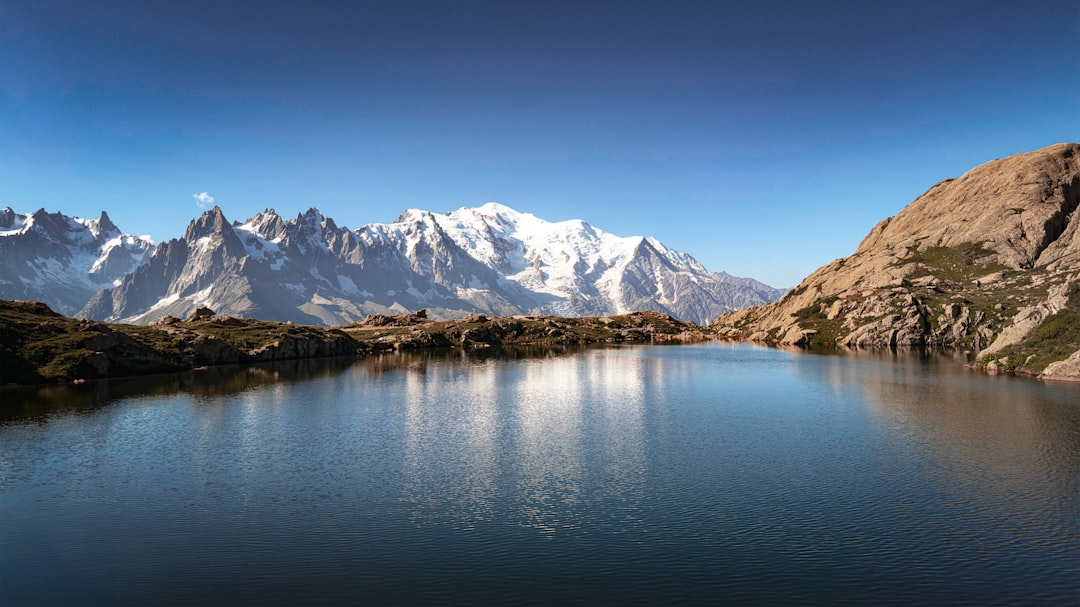
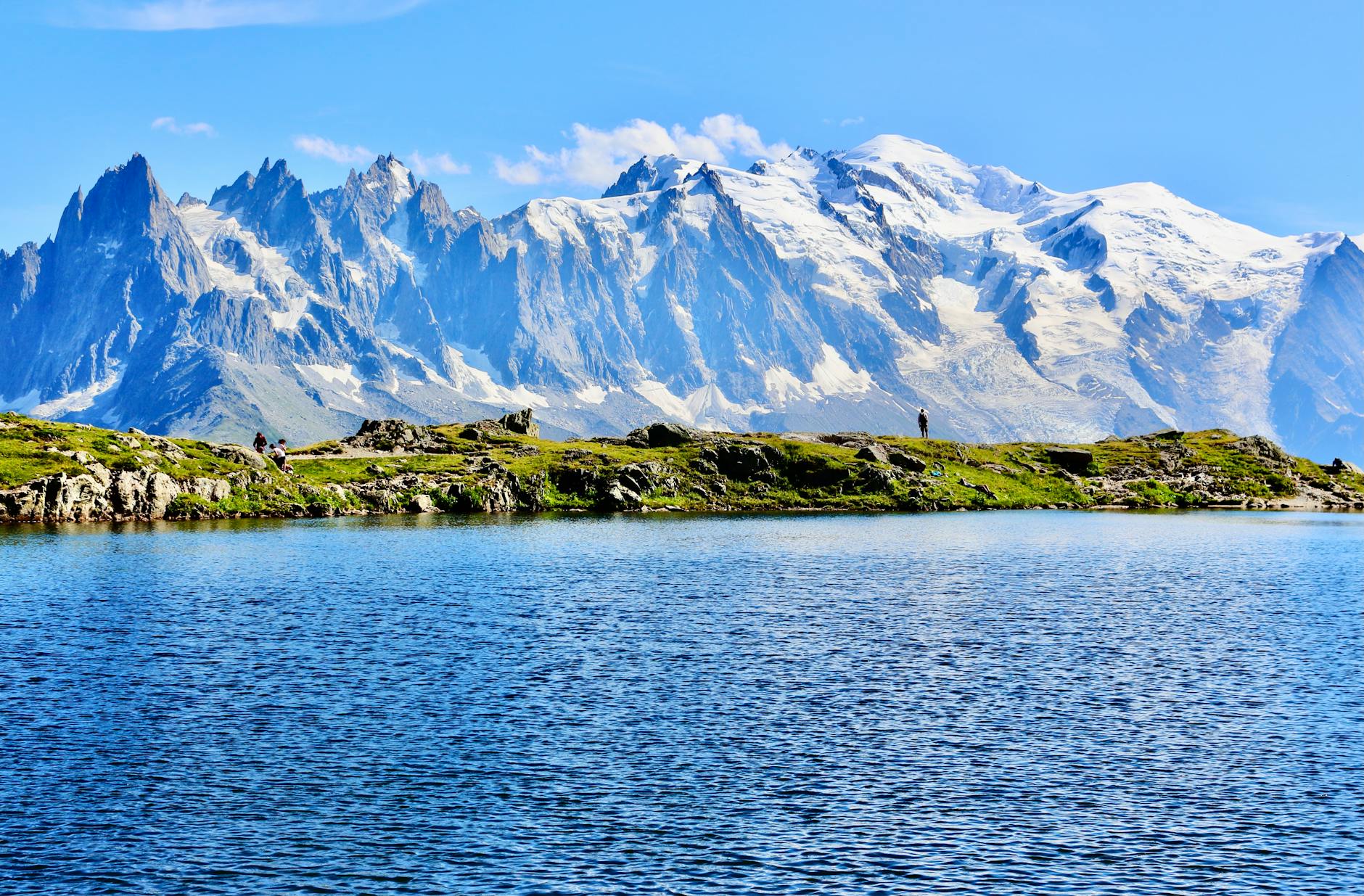
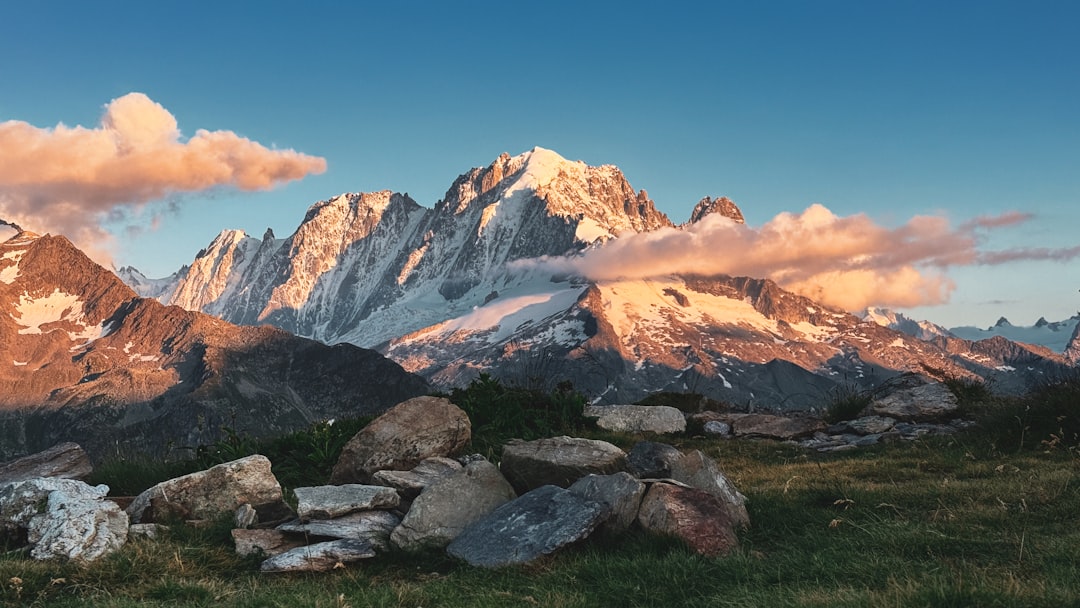
The TMB is a circular trek around Western Europe’s highest peak (4,808 m), crossing France, Italy, and Switzerland. You’ll pass glaciers, alpine meadows, dramatic cols, and postcard-perfect villages—sometimes all in one day.
It’s not technical mountaineering. But it’s not a casual stroll either. Expect daily stages of 15–25 km and 800–1,200 meters of ascent.
If you’ve done multi-day hikes before—like the levadas in Madeira (see our guide to hiking Madeira in spring)—this is the alpine, high-altitude, more demanding cousin.
Route Options: Full Circuit or Highlights?
You don’t have to do the entire 170 km. In 2026, more hikers are choosing shorter sections due to limited vacation time and rising hut prices.
1. The Classic Full Tour (10–11 Days)
This is the traditional anti-clockwise loop starting and ending in Les Houches (France).
Best for: First-timers who want the complete experience.
Distance: ~170 km
Elevation gain: ~10,000 m total
Highlights include:
- Col du Bonhomme (France)
- Balcony trail above Val Ferret (Italy)
- Lac Blanc detour with Mont Blanc views
- Grand Col Ferret into Switzerland
I strongly recommend going counterclockwise. The climbs feel more gradual, and the views of the Mont Blanc massif are often right in front of you—not behind.
2. The 7-Day “Highlights” Version
If you’re short on time, skip the Les Contamines section and start in Courmayeur. Many guided companies now sell this format.
You’ll still cross all three countries but cut out some forest-heavy sections. Expect longer daily distances.
3. Self-Guided vs. Guided
Self-guided: Cheaper, more flexible, but you handle bookings and navigation.
Guided: €1,800–€3,000 per person, including accommodation and some meals.
Unless you’re nervous about alpine weather or traveling solo, I’d go self-guided. The trail is extremely well marked.
How Much Does Hiking the Tour du Mont Blanc Cost in 2026?
Prices have increased slightly for 2026 due to demand and inflation in the Alps. Here’s a realistic breakdown for a 10-day self-guided trek:
- Mountain huts (half board): €65–€85 per night
- Hotels/guesthouses: €90–€160 per night
- Lunch & snacks: €10–€20 per day
- Luggage transfer (optional): €40–€50 per stage
- Transport to/from Chamonix: €50–€150 depending on origin
Total estimate:
- Budget style (mostly dorm huts): €900–€1,100
- Mixed huts + private rooms: €1,200–€1,500
- Guided tour: €1,800–€3,000+
Flights to Geneva are often cheapest. From there, it’s a 1h15 shuttle to Chamonix (~€35 one way).
When to Hike the TMB in 2026
The hiking season typically runs from mid-June to mid-September.
Best overall month: Early July. Snow is mostly cleared, wildflowers are blooming, and it’s slightly less chaotic than late July and August.
August is peak European holiday season. Expect crowded trails and fully booked huts.
September is quieter and stunning—but some huts start closing after mid-month, so check carefully.
How to Book Mountain Huts for Summer 2026
This is where most people mess up.
Many refuges open bookings between January and March for the summer season. Popular spots like Rifugio Bonatti or Refuge de la Croix du Bonhomme sell out months in advance.
Here’s how to increase your chances:
- Plan your stages first using a GPX map or guidebook.
- Book the hardest-to-get huts first (Bonatti, Elisabetta, Lac Blanc).
- Be flexible with dates—midweek starts are easier.
- Consider private rooms if dorms are full.
- Check cancellation policies—many require deposits.
Pro tip: Don’t rely solely on online forms. Some Italian refuges respond faster to direct email in simple English (or Google-translated Italian).
What to Pack (And What to Leave at Home)
Your knees will thank you for packing light.
Aim for a base weight under 8 kg if possible. Most huts provide blankets, so you only need a lightweight sleeping bag liner.
Must-haves:
- Trail runners or lightweight hiking boots
- Trekking poles (essential for descents)
- Rain jacket (weather changes fast)
- Offline map app (Maps.me or Gaia GPS)
- European plug adapter
Skip: Heavy camera gear, extra outfits, full-size toiletries.
Tourist Traps & Honest Opinions
Chamonix is beautiful—but expensive. Coffee can easily cost €5–€6 in central cafés.
If you want a calmer start, consider staying your first night in Les Houches instead.
Also, not every variant is worth it. The Lac Blanc detour is spectacular on a clear day—but if the forecast is cloudy, skip it. You’ll see better views elsewhere.
And don’t feel pressured to “prove” yourself by carrying everything. Luggage transfer services are common and can make the experience far more enjoyable.
Is the Tour du Mont Blanc Worth It in 2026?
Absolutely—but only if you prepare properly.
This isn’t a spontaneous, show-up-and-figure-it-out hike anymore. Demand is high, and summer 2026 will likely be busier than ever.
But if you plan ahead, book smartly, and pace yourself, the TMB delivers something rare: three countries, countless glaciers, and a sense of accomplishment that stays with you long after the blisters heal.
Thinking about adding another epic train-and-hike combo to your bucket list? If Japan is on your radar, check our detailed breakdown of the Japan Rail Pass in 2026 to see if it still makes sense for your trip.
Ready to start planning? Lock in your dates now, map your stages, and start emailing those refuges. Summer in the Alps waits for no one.
Frequently Asked Questions
How much does it cost to hike the Tour du Mont Blanc in 2026?
Expect to spend €900–€1,500 for a 10-day self-guided hike, depending on hut vs. hotel stays. Guided tours typically cost €1,800–€3,000 per person.
How long does it take to hike the full Tour du Mont Blanc?
Most hikers complete the 170 km loop in 10–11 days. Strong hikers can do it in 7–9 days, while others spread it over 12 days for a more relaxed pace.
When is the best time to hike the TMB?
Early July is ideal for good trail conditions and fewer crowds. Late July and August are busiest, while September offers quieter trails but limited hut availability.
Do I need a guide for the Tour du Mont Blanc?
No, most hikers go self-guided since the trail is well marked. A guide is helpful if you want logistics handled or feel uncomfortable with alpine conditions.