


Torres del Paine, Patagonia: The Ultimate Travel Guide to Chile’s Wild Icon
There are few places on Earth that make you feel as small—in the best possible way—as Torres del Paine. Located in the far south of Chilean Patagonia, this national park is a dramatic world of granite towers, turquoise lakes, vast glaciers, and winds that remind you nature is always in charge. Whether you’re an avid trekker chasing the famous W Trek or a first-time visitor seeking cinematic landscapes, Torres del Paine delivers a raw, unforgettable adventure.
If Patagonia has been living on your bucket list, this guide will help you plan the journey wisely, travel responsibly, and experience the park at its most awe-inspiring.
1. Why Torres del Paine Should Be on Your Travel Radar
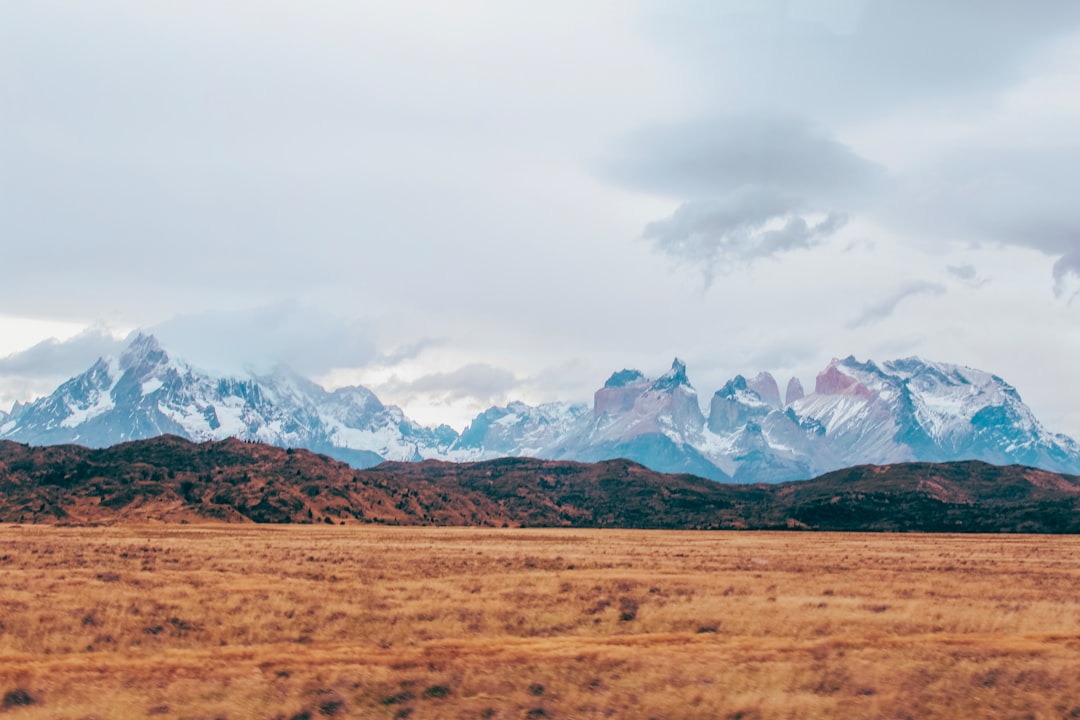
Torres del Paine National Park is often considered the crown jewel of Chilean Patagonia—and for good reason. The park spans over 227,000 hectares of protected wilderness, where jagged peaks rise above rolling steppe and electric-blue lakes reflect snow-capped summits.
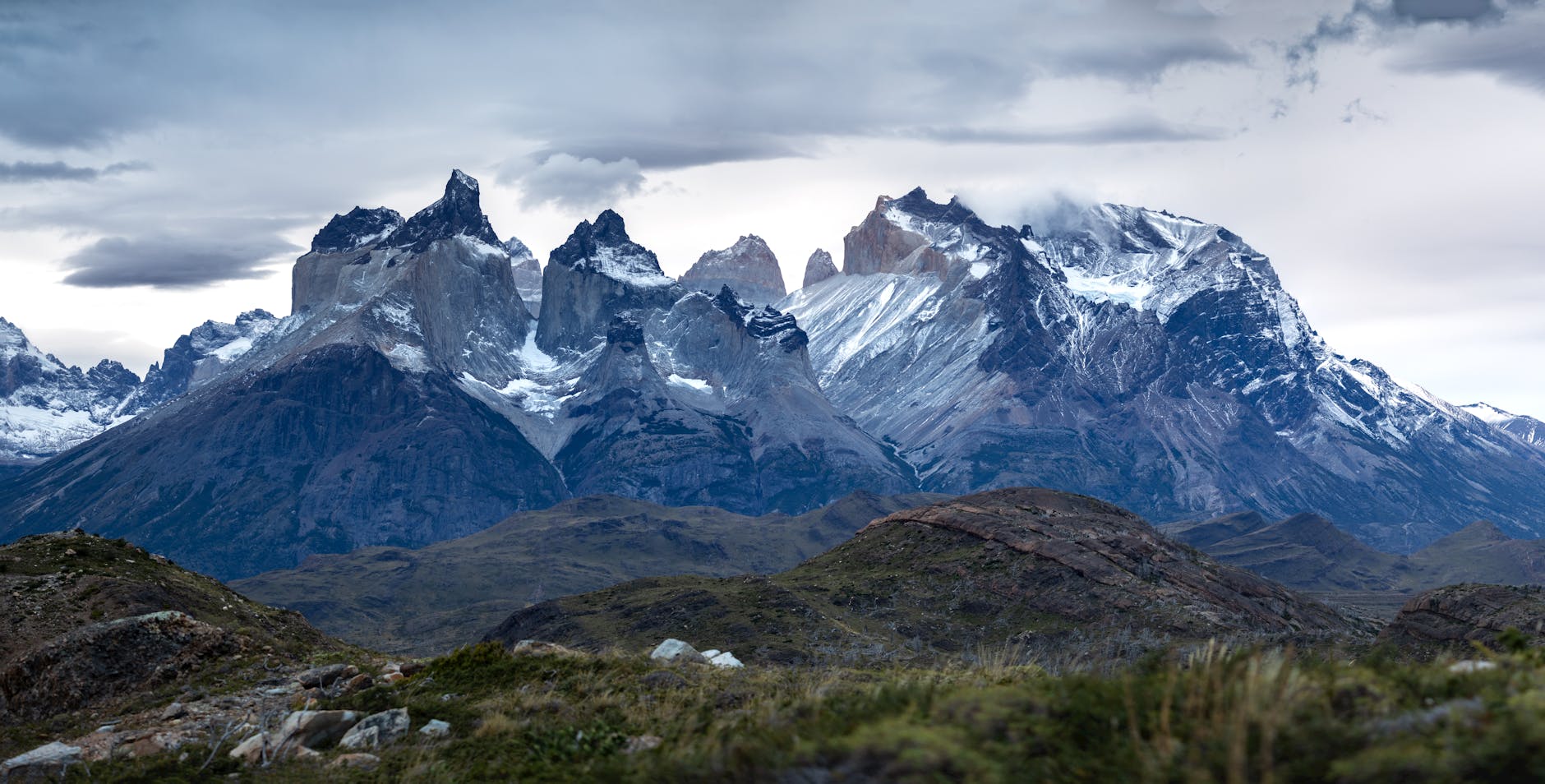
The park’s most iconic feature is the Torres (The Towers)—three granite spires that glow fiery red at sunrise. But that’s only the beginning. You’ll also encounter:
- The immense Grey Glacier, part of the Southern Patagonian Ice Field
- The striking Cuernos del Paine (The Horns)
- Turquoise waters of Lago Pehoé and Lago Nordenskjöld
- Abundant wildlife including guanacos, foxes, condors, and even pumas
Unlike many remote destinations, Torres del Paine balances accessibility with wilderness. Well-maintained trails, refugios (mountain lodges), and guided tours make it possible for both seasoned hikers and casual travelers to explore safely.
Practical Tip: The closest gateway town is Puerto Natales. Plan to spend at least one night there before and after your park visit to organize gear, permits, and transportation.
2. Best Time to Visit Torres del Paine
Patagonia is famous for unpredictable weather. You can experience sun, wind, rain, and even snow—all in a single day. Choosing the right season can dramatically shape your experience.
High Season (November to March)
This is summer in the Southern Hemisphere and the most popular time to visit. Expect longer daylight hours (up to 17 hours in December), milder temperatures, and lively trail atmospheres.
- Pros: Best weather, full services open, safer trekking conditions
- Cons: Higher prices, crowded trails, reservations required months in advance
Shoulder Season (October and April)
A sweet spot for many travelers. Fewer visitors and beautiful fall or spring colors make this a fantastic time to explore.
- Pros: Fewer crowds, lower prices
- Cons: More variable weather, some services limited
Winter (May to September)
Snow transforms the park into a silent wonderland. However, many trails require a guide, and facilities are limited.
- Pros: Solitude, dramatic snowy landscapes
- Cons: Cold temperatures, limited access
Practical Tip: Regardless of season, pack windproof layers. Patagonia’s winds can exceed 100 km/h and are strongest from December to February.
3. Hiking the W Trek and Beyond
If there’s one experience that defines Torres del Paine, it’s hiking. The park offers multiple trekking routes, but two stand out: the W Trek and the O Circuit.
The W Trek (4–5 Days)
Named for the shape it traces across the park, this route covers the three main highlights: Base Torres, French Valley, and Grey Glacier. It’s challenging but manageable for reasonably fit travelers.
- Distance: Approximately 70–80 km (43–50 miles)
- Accommodation: Refugios or campsites (book months in advance)
- Difficulty: Moderate to challenging
The O Circuit (7–9 Days)
A full loop around the Paine Massif, this trek is more remote and physically demanding. It includes the John Gardner Pass, known for strong winds and epic glacier views.
Day Hikes
Short on time? Consider these rewarding day hikes:
- Base Torres (8–9 hours round trip)
- Mirador Cuernos
- Grey Glacier viewpoints
Practical Tips for Hikers:
- Reserve campsites and refugios as soon as bookings open (usually 6–8 months ahead).
- Carry cash—card payments aren’t always reliable in remote areas.
- Bring trekking poles for steep descents.
- Follow strict Leave No Trace principles.
If multi-day trekking isn’t your style, guided excursions, horseback riding, and boat trips to Grey Glacier offer incredible alternatives.
4. Getting There, Where to Stay, and Essential Travel Tips
Reaching Torres del Paine requires some planning—but that’s part of the adventure.
How to Get There
- Fly into Punta Arenas from Santiago (about 3.5 hours).
- Take a bus (3 hours) to Puerto Natales.
- From Puerto Natales, buses run daily to the park entrances.
Renting a car provides flexibility, especially if you want to explore scenic viewpoints at your own pace.
Where to Stay
- Refugios: Comfortable mountain lodges with dorm-style rooms and meals available.
- Campsites: Budget-friendly and immersed in nature.
- Luxury Lodges: All-inclusive stays with guided excursions and gourmet meals.
- Puerto Natales Hotels: Ideal for day trips and pre/post trekking relaxation.
Budget Considerations
Patagonia isn’t cheap. Park entrance fees, transportation, and accommodation add up quickly. However, careful planning—such as self-catering and camping—can significantly reduce costs.
Health & Safety
- Travel insurance is essential.
- Weather changes quickly—check forecasts daily.
- Stay on marked trails to protect fragile ecosystems.
Wildlife Watching
Early mornings and evenings are best for spotting pumas and condors. Keep a respectful distance and never feed wildlife.
Sustainability Tip: Torres del Paine’s ecosystem is fragile. Even small actions—like packing out trash and using refillable bottles—help preserve it for future generations.
Conclusion: Are You Ready for Patagonia?
Torres del Paine is more than a national park—it’s a place that reshapes your sense of scale and reconnects you with raw, untamed nature. Whether you’re standing beneath the glowing granite towers at sunrise, listening to ice crack from a distant glacier, or sharing stories with fellow travelers in a mountain refugio, every moment feels epic.
Yes, it requires planning. Yes, the winds are fierce. But that’s part of what makes it unforgettable.
If Patagonia has been calling your name, consider this your sign. Start mapping your route, book those refugios, and prepare to experience one of the world’s most extraordinary landscapes.
Your Torres del Paine adventure is waiting.