


The Best Things to Do in Rome Are Some of the Eternal City’s Oldest
In Rome, the past isn’t buried — it’s built into the sidewalks, towering above traffic circles, and echoing through cobblestone streets. The Eternal City is a living museum where 2,000-year-old landmarks aren’t fenced off from daily life but woven directly into it. If you’re planning a trip and wondering about the best things to do in Rome, the answer is surprisingly simple: start with its oldest treasures.
From gladiator arenas to ancient temples that still stand strong, Rome’s most unforgettable experiences are rooted in antiquity. But exploring them doesn’t have to feel overwhelming. Here’s how to experience Rome’s oldest attractions in a way that feels inspiring, manageable, and deeply memorable.
1. Step Inside the Colosseum and Roman Forum
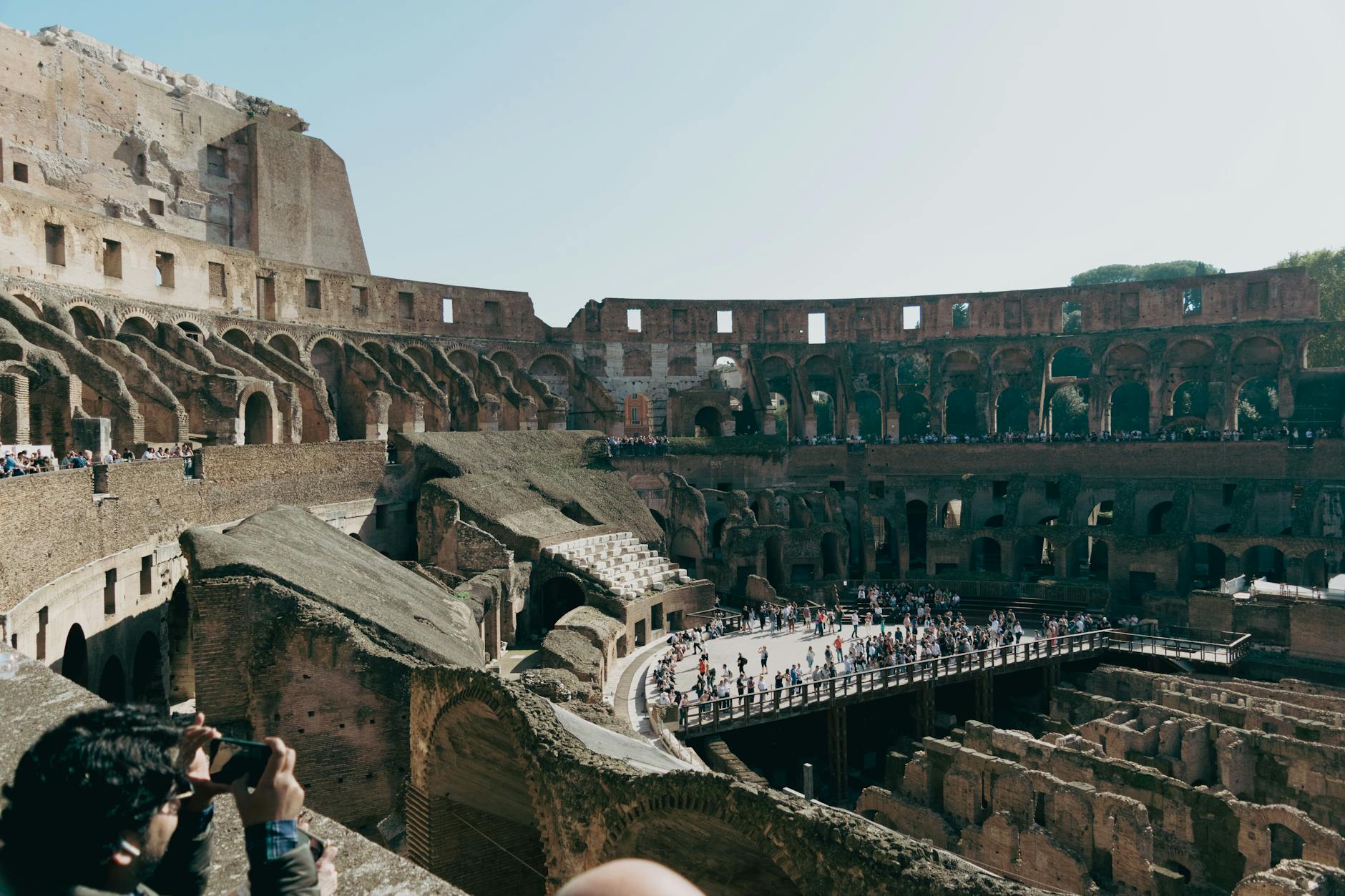
No first visit to Rome is complete without standing before the Colosseum. Built in AD 80, this massive amphitheater once hosted gladiator battles, wild animal hunts, and dramatic spectacles for up to 50,000 spectators. Today, it remains one of the most iconic landmarks in the world — and easily one of the best things to do in Rome.
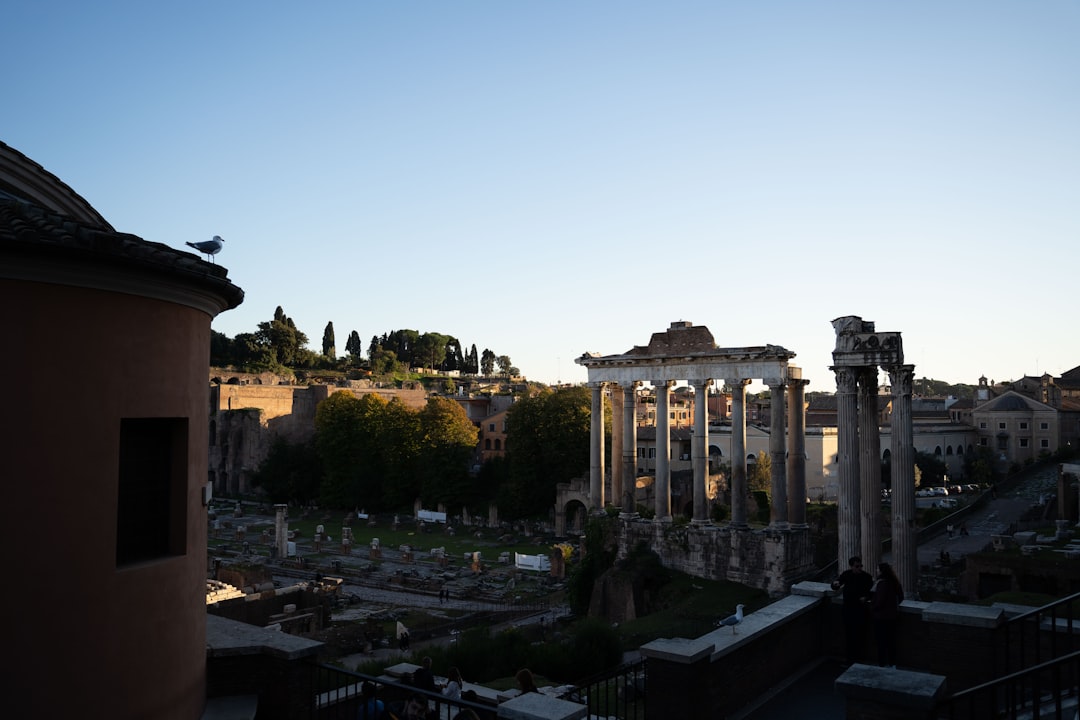
But don’t stop at the Colosseum’s outer walls. The real magic unfolds when you pair your visit with the Roman Forum and Palatine Hill. Together, these three sites form the heart of ancient Rome.
- Colosseum: Book a timed-entry ticket in advance to skip long lines.
- Roman Forum: Wander among the ruins of temples, basilicas, and government buildings.
- Palatine Hill: Enjoy sweeping views and explore what was once the city’s most exclusive neighborhood.
Practical Tip: Arrive early in the morning or later in the afternoon to avoid peak crowds and heat. Wear comfortable shoes — the uneven stones are beautiful but unforgiving.
As you walk through these ruins, imagine senators debating policy and emperors planning conquests. This isn’t just sightseeing; it’s stepping into the foundation of Western civilization.
2. Marvel at the Pantheon’s Timeless Perfection
Among the best-preserved ancient buildings in the world, the Pantheon feels almost miraculous. Originally built in 27 BC and later rebuilt by Emperor Hadrian around AD 126, this former Roman temple has survived invasions, earthquakes, and centuries of change.
Its massive concrete dome remains an engineering mystery. At its center is the oculus — a circular opening that lets sunlight (and sometimes rain) pour into the space below. The shifting beam of light creates an almost spiritual atmosphere.
What makes the Pantheon truly special is that it’s still in use today as a church. You’re not just observing history; you’re standing inside it.
- Visit in the morning for softer light and fewer tour groups.
- Dress modestly, as it functions as a place of worship.
- Take a few minutes to sit quietly and look up — it’s the best way to appreciate the dome.
Practical Tip: Entry rules can change, and timed tickets may be required during busy seasons. Check ahead and reserve online when possible.
Afterward, step outside into Piazza della Rotonda and grab an espresso. Few experiences feel more Roman than sipping coffee in the shadow of a 2,000-year-old temple.
3. Walk the Appian Way and Discover Ancient Catacombs
If you want to escape the crowds and see a quieter side of ancient Rome, head to the Appian Way (Via Appia Antica). Built in 312 BC, this was one of the earliest and most important Roman roads, connecting Rome to southern Italy.
Walking along its original basalt stones feels like traveling back in time. Cypress trees line the route, and crumbling tombs and aqueducts dot the landscape. It’s peaceful, scenic, and deeply atmospheric.
Nearby, you’ll find some of Rome’s ancient catacombs — underground burial tunnels used by early Christians.
- Catacombs of San Callisto: Among the largest and most significant.
- Catacombs of San Sebastiano: Easier to access and equally fascinating.
Practical Tip: Visit on a Sunday morning when parts of the Appian Way are closed to traffic. Rent a bike for a more adventurous experience, or wear sturdy shoes if walking.
Bring water and sun protection — shade can be limited. And remember, photography is often prohibited inside the catacombs, so focus on absorbing the experience rather than documenting it.
This side of Rome reminds you that the Eternal City isn’t just grand and monumental — it’s layered, intimate, and surprisingly tranquil.
4. Toss a Coin at the Trevi Fountain and Climb the Capitoline Hill
While the Trevi Fountain isn’t as ancient as the Colosseum or Pantheon (it dates to the 18th century), it stands at the endpoint of an ancient Roman aqueduct. That makes it part of Rome’s oldest infrastructure story — and one of its most beloved traditions.
Legend says tossing one coin ensures your return to Rome, two coins bring romance, and three coins promise marriage. Superstition or not, it’s a ritual visitors rarely skip.
Practical Tip: Visit very early in the morning (before 8 a.m.) or late at night to avoid heavy crowds and capture better photos.
From there, make your way to Capitoline Hill, one of Rome’s seven original hills and a political center since ancient times. Designed in part by Michelangelo during the Renaissance, the square sits atop layers of ancient foundations.
- Visit the Capitoline Museums to see ancient Roman statues and artifacts.
- Head behind the square for a spectacular view over the Roman Forum.
- Take your time walking down the grand staircase toward Piazza Venezia.
Practical Tip: Purchase a combined museum ticket if you plan to explore multiple sites. Allow at least two hours to fully enjoy the exhibits.
Standing on Capitoline Hill, you’ll see the ancient and modern city merging seamlessly — ruins beside traffic, domes rising beyond columns. It’s a powerful reminder that Rome never stopped evolving.
Why Rome’s Oldest Attractions Feel So Alive
What makes the best things to do in Rome so extraordinary isn’t just their age — it’s their accessibility. You don’t have to search for ruins in remote fields. They rise beside cafes, apartment buildings, and busy intersections. Life continues around them.
In Rome, history isn’t frozen behind glass. Children play soccer near ancient walls. Locals commute past imperial forums. Church bells ring over temples built before Christianity existed.
This constant interaction between past and present is what makes Rome unforgettable. The city doesn’t ask you to imagine history — it places you directly inside it.
Plan Your Journey Through the Eternal City
To make the most of your time in Rome:
- Book major attractions in advance, especially during peak season (April–October).
- Stay centrally to minimize transportation time.
- Schedule downtime for wandering — some of Rome’s best moments are unplanned.
- Carry cash for small purchases and fountains, but rely on cards for larger tickets.
Most importantly, slow down. Rome rewards curiosity and patience. Pause in piazzas. Look up at façades. Step inside churches that catch your eye. The city’s oldest wonders reveal themselves best when you’re not rushing.
The Eternal City has endured for millennia, and its greatest treasures are still standing, waiting for you. So lace up your walking shoes, bring your sense of wonder, and experience the best things to do in Rome — the ones that have been here all along.
Ready to explore Rome’s ancient heart? Start planning your itinerary today, book those early tickets, and prepare to walk through history in one of the world’s most captivating cities.