



‘Tastes of Salt, Smells of Coffee’: Why Trieste Is One of Italy’s Best Food Cities
In Trieste, you taste the sea before you even see it. The air carries a faint briny edge from the Adriatic, mingling with the rich aroma of freshly roasted coffee drifting out of historic cafés. Perched on Italy’s northeastern border with Slovenia, this elegant port city is where Latin, Slavic, and Austro-Hungarian cultures collide—and nowhere is that fusion more deliciously obvious than on the plate.
While Rome, Florence, and Bologna dominate most culinary bucket lists, Trieste remains one of Italy’s best-kept food secrets. Here, you can sip espresso in a literary café that inspired James Joyce, feast on fresh seafood pulled straight from the Gulf of Trieste, and hike into the Karst plateau for rustic farm taverns called osmize. It’s a city that rewards curious appetites—and once you’ve tasted it, you’ll wonder why it took you so long to come.
1. A Coffee Capital with Literary Soul
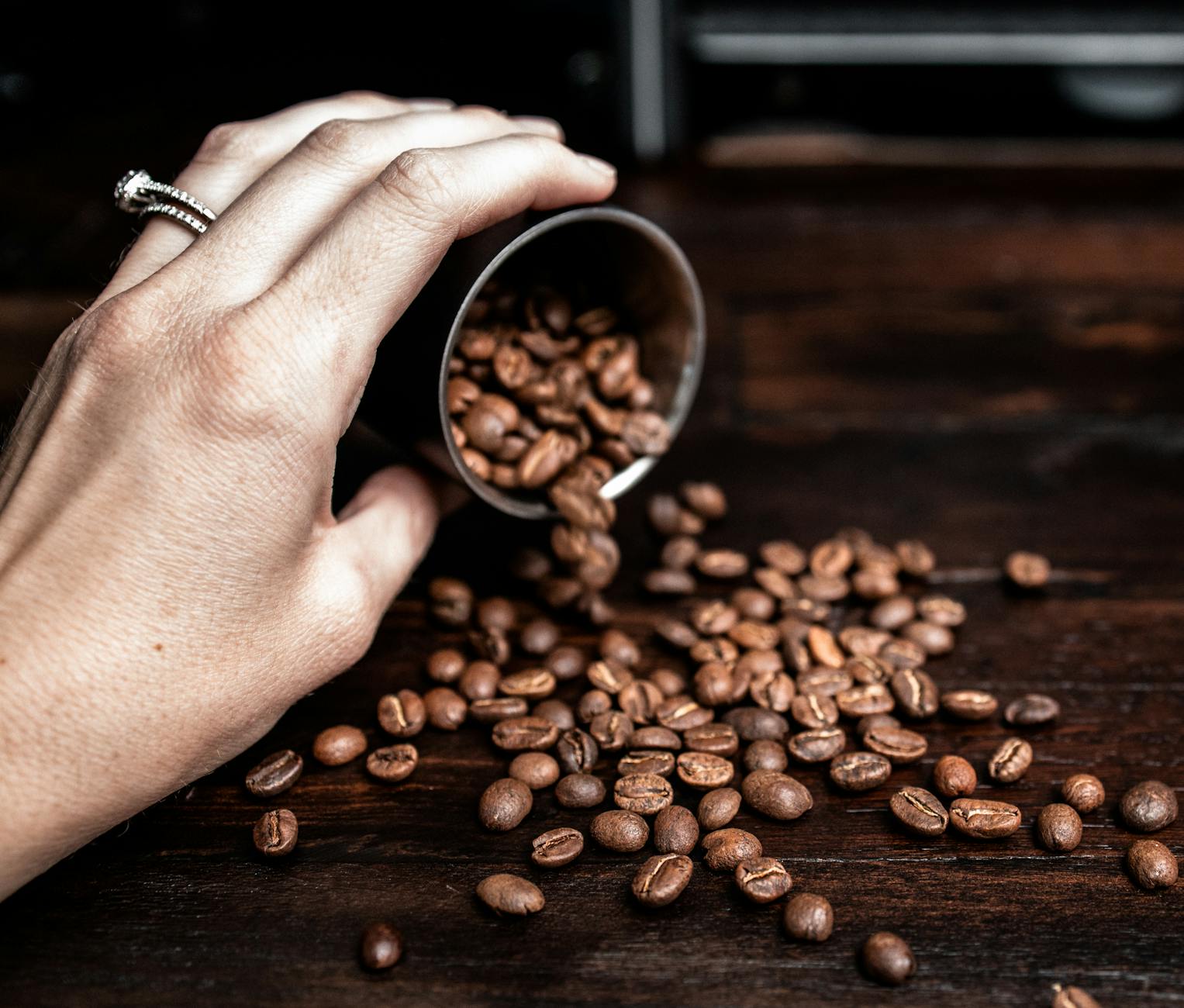
Trieste isn’t just another Italian city that loves coffee—it’s Italy’s coffee capital. For centuries, this was the main port for coffee entering the Habsburg Empire. Today, global brands like Illy were born here, and the city still treats coffee with near-religious devotion.
But what truly sets Trieste apart is its café culture. These aren’t places to grab a quick shot at the counter (though you can); they’re grand, chandelier-lit salons where writers once debated politics and poetry.
Must-visit historic cafés:
- Caffè San Marco – Opened in 1914, this intellectual hub once hosted James Joyce and Italo Svevo. Order a cappuccino and linger beneath its frescoed ceilings.
- Caffè degli Specchi – Overlooking Piazza Unità d’Italia, this elegant café is perfect for people-watching with an espresso in hand.
- Antico Caffè Torinese – A small but ornate gem known for its Art Nouveau interior.
Ordering coffee here comes with its own vocabulary. A standard espresso is a nero. A macchiato is a capo. Want it in a glass instead of a cup? Ask for a capo in B (short for bicchiere). Learning the lingo is part of the fun—and locals will appreciate the effort.
Practical tip: Stand at the bar for a quick, cheaper coffee, or sit at a table if you want the full Triestine café experience (but expect to pay a bit more). Mornings are lively, but late afternoon is ideal for a relaxed break.
2. Fresh Adriatic Seafood with a Central European Twist
Trieste’s location on the Adriatic means seafood is central to its culinary identity. But unlike southern Italian coastal cuisine, Trieste’s dishes reflect Central European influences, with lighter broths, subtle spices, and an emphasis on simplicity.
Start with brodetto, a traditional fish stew made with the day’s catch—often including scorpionfish, mussels, and shrimp—gently simmered in tomato and white wine. Or try sarde in savor, sweet-and-sour sardines marinated with onions, vinegar, and raisins, a nod to Venice’s influence.
Another local favorite is calamari ripieni (stuffed squid), typically filled with breadcrumbs, herbs, and sometimes minced seafood. It’s humble yet deeply satisfying.
Where to eat seafood in Trieste:
- Trattoria Nerodiseppia – Creative seafood dishes with modern flair.
- Al Bagatto – A Michelin-starred institution serving refined interpretations of Adriatic classics.
- Antica Trattoria Suban – Blends seafood with Karst and Austro-Hungarian flavors.
Practical tip: Ask what’s fresh rather than ordering blindly from the menu. Many restaurants base their daily offerings on that morning’s catch. Pair your meal with a crisp Friulano or Malvasia wine from the surrounding Friuli-Venezia Giulia region.
3. Osmize: Rustic Farm Taverns on the Karst Plateau
Just a short drive or bus ride from the city center, the rocky Karst plateau feels like another world. Here, family-run farm taverns called osmize open their doors for limited periods each year, serving homemade wines, cured meats, cheeses, and simple seasonal dishes.
The tradition dates back to an imperial decree by Emperor Joseph II in the 18th century, allowing farmers to sell surplus produce tax-free for eight days—hence the name osmica, derived from the Slovenian word for eight.
At an osmiza, expect long wooden tables, handwritten menus, and a warm, communal atmosphere. Typical offerings include:
- Prosciutto del Carso – Air-dried ham with a distinctive, slightly smoky flavor.
- Jota – A hearty soup made with sauerkraut, beans, potatoes, and pork.
- Local cheeses paired with homemade pickles.
- Terrano wine – A bold red unique to the Karst region.
Practical tip: Osmize don’t operate year-round. Look for a bunch of ivy branches hanging outside the entrance—this signals they’re open. Check local listings or ask at the tourist office for current openings. Bring cash, as many don’t accept cards.
4. Austro-Hungarian Comfort Food and Sweet Treats
Trieste spent more than 500 years under Habsburg rule, and that legacy lives on in its comfort food and desserts. You’ll find dishes here that feel closer to Vienna than Venice—and that’s precisely what makes the city’s culinary scene so unique.
One iconic dish is goulash alla triestina, a slow-cooked beef stew rich with paprika and onions, often served with polenta or dumplings. Then there’s ćevapčiči, grilled minced meat sausages reflecting Balkan influence, usually accompanied by ajvar and flatbread.
Trieste also excels in bakery culture. Step into any pastry shop and you’ll encounter:
- Presnitz – A spiral pastry filled with nuts, dried fruit, chocolate, and spices.
- Putizza – A sweet yeast bread rolled with walnuts and honey.
- Sachertorte – The famous Austrian chocolate cake, found in many cafés.
For an authentic experience, visit Pasticceria Pirona, said to have inspired Joyce during his years in the city. Pair a slice of presnitz with a strong nero and savor the blend of cultures in every bite.
Practical tip: Many bakeries close in the early afternoon, so plan your pastry stops in the morning. If you’re visiting in winter, seek out seasonal specialties and warming stews that highlight Trieste’s Central European soul.
Why Trieste Deserves a Spot on Your Culinary Bucket List
Trieste may not shout as loudly as Italy’s more famous food cities, but that’s part of its charm. Here, flavors unfold slowly: the salt of the Adriatic in a spoonful of brodetto, the earthy depth of Terrano wine on the Karst, the bittersweet intensity of a perfectly pulled espresso.
It’s a place where you can breakfast like a Viennese intellectual, lunch like an Adriatic fisherman, and dine like a Central European aristocrat—all in a single day. Add elegant piazzas, sea views, and fewer tourist crowds than Venice, and you have one of Italy’s most rewarding culinary destinations.
If you’re planning your next Italian escape, look beyond the obvious. Book a table at a historic café, reserve a seaside trattoria, and carve out time for an osmiza in the hills. Come hungry, stay curious, and let Trieste surprise you—one sip, one bite, one salt-kissed breeze at a time.
Ready to taste Trieste for yourself? Start planning your trip now, and discover why this borderland city just might be Italy’s most underrated food capital.