


Hiking Switzerland in Spring: 7 Low-Altitude Trails Open in April and May
I’ve made the mistake before: landing in Switzerland in April with grand plans for high alpine hikes—only to find snow-covered trails and closed cable cars.
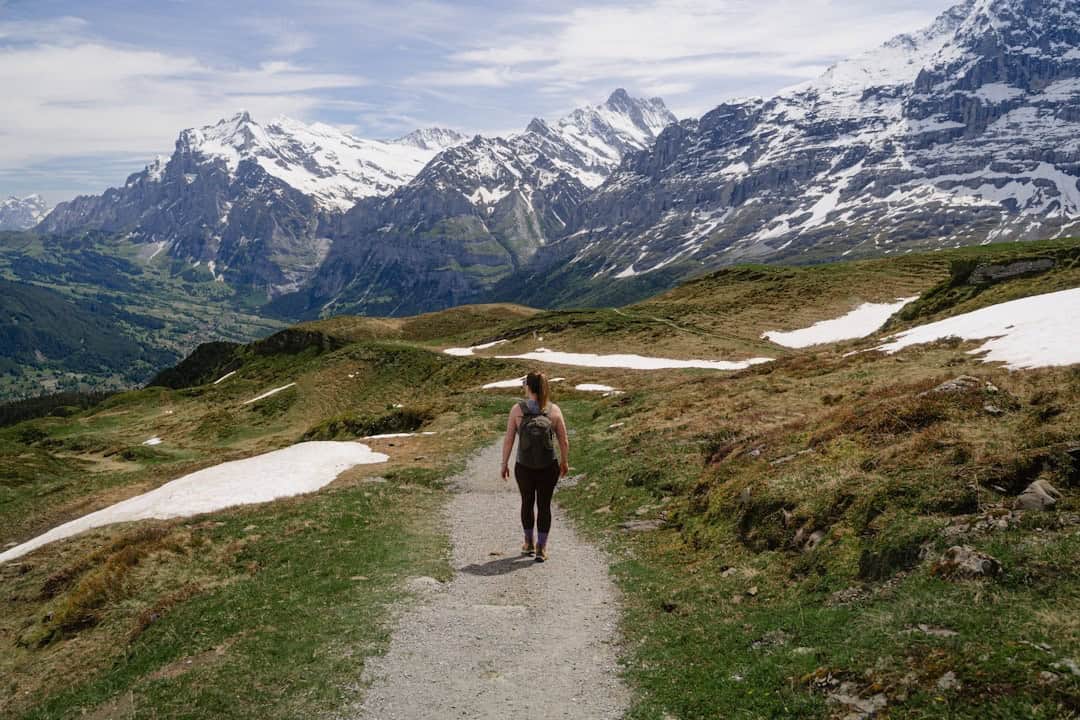
Spring hiking in Switzerland is incredible, but only if you stay low. Below 1,500 meters, trails start clearing in April, wildflowers bloom, waterfalls rage with snowmelt, and you avoid peak summer crowds (and prices).
Key Takeaways
- Best time for low-altitude hiking: mid-April to late May below 1,500m.
- Expect 8–15 km trails with 3–5 hours hiking time and free access.
- Swiss Travel Pass from CHF 244 (3 days) covers most train access to trailheads.
- Waterfalls are at their strongest in May due to snowmelt.
- Always check local webcams for snow above 1,400m before setting out.
Here are seven tried-and-tested low-altitude trails that are typically open in April and May—and absolutely worth your time.
1. Lake Lucerne: Weggis to Vitznau (Rigi Panorama Trail)
Distance: 10 km
Time: 3–4 hours
Elevation: ~300m gain
Best in: Late April
This is my go-to “first hike of the season.” South-facing slopes above Lake Lucerne clear early, and by mid-April, you’ll likely be walking through green meadows while snow still caps the peaks above.
Start in Weggis (easy boat or train access from Lucerne). The trail hugs the lower slopes of Mount Rigi and offers constant lake views.
Tourists flock to the Rigi summit via cogwheel train. Skip it. The lower panorama trail is quieter, cheaper (free), and honestly more scenic in spring.
2. Lauterbrunnen Valley Floor Trail
Distance: 8 km (Lauterbrunnen to Stechelberg)
Time: 2–3 hours
Elevation: Mostly flat
Best in: May
If waterfalls are your thing, this is spring magic.
With snow melting above, Staubbach Falls and the dozens of unnamed cascades thunder down the cliffs. In summer they’re pretty. In May, they’re dramatic.
This is one of the few accessible hikes in the Jungfrau region before higher trails open. Expect some muddy patches—waterproof shoes help.
Grab coffee at Airtime Café in Lauterbrunnen before starting. Avoid eating in Mürren this time of year—many restaurants are still closed or overpriced for limited menus.
3. Creux du Van (Neuchâtel Region)
Distance: 14 km loop
Time: 4–5 hours
Elevation: 500m gain
Best in: Late April to May
Think of it as Switzerland’s mini-Grand Canyon.
The limestone amphitheater of Creux du Van sits around 1,400m, but thanks to its western exposure, the main trail often opens by late April.
You might still see patches of snow near shaded forest sections. Totally manageable with proper shoes.
Bonus: Ibex sightings are common in spring. I’ve seen them twice near the cliff edge.
4. Ascona to Brissago (Lake Maggiore, Ticino)
Distance: 11 km
Time: 3–4 hours
Elevation: Moderate ups and downs
Best in: April
Want palm trees and 20°C weather while the rest of Switzerland thaws?
Head south to Ticino. This Italian-speaking region feels like a different country in spring.
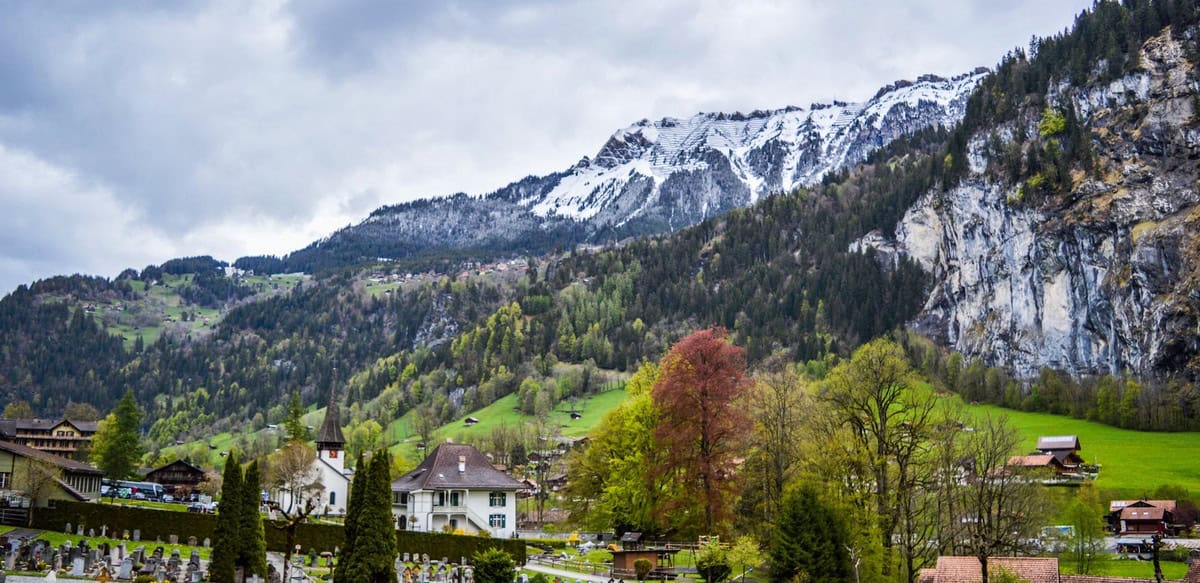
The lakeside trail between Ascona and Brissago is usually snow-free by early April. Camellias and magnolias bloom, cafés spill onto sunny piazzas, and you can hike in a light jacket.
Train from Zurich to Locarno takes about 2 hours 15 minutes. Worth every minute.
5. Thun Panorama Trail (Lake Thun)
Distance: 12 km
Time: 4 hours
Elevation: 400m gain
Best in: April–May
This is one of the most underrated spring hikes in Switzerland.
Starting near Thun, the trail winds through vineyards and forests with constant views over turquoise Lake Thun and the Bernese Alps beyond.
Because it stays relatively low (around 800–1,000m), it’s often hikeable weeks before higher Bernese Oberland routes open.
Stop at a self-service farm stand along the way—fresh cheese honesty boxes are common here.
6. Appenzell: Ebenalp to Seealpsee (Lower Route Variant)
Distance: 9 km
Time: 3 hours
Elevation: Mostly descent
Best in: May
The full Alpstein hikes are snowbound until June. But the lower route toward Seealpsee often opens in May.
Take the Ebenalp cable car (around CHF 22 one-way). From there, descend toward the lake as snow retreats.
If conditions are unstable, skip the cliffside Schäfler routes. Every year, hikers underestimate spring snow here.
Seealpsee in May is ridiculously photogenic—reflecting snowy peaks while surrounded by fresh green meadows.
7. Rhine Gorge (Swiss Grand Canyon)
Distance: 10–15 km options
Time: 3–5 hours
Elevation: Moderate rolling terrain
Best in: April
Near Flims and Laax, the Rhine Gorge sits at lower elevation and clears early.
Turquoise water cuts through white cliffs, and spring melt makes the river especially vibrant.
This area is a winter ski hub, but by April the hiking trails along the gorge reopen—without the summer biking crowds.
Take the train to Versam-Safien station for one of the most scenic arrivals in Switzerland.
Practical Tips for Spring Hiking in Switzerland
Spring hiking here requires flexibility. Conditions change fast.
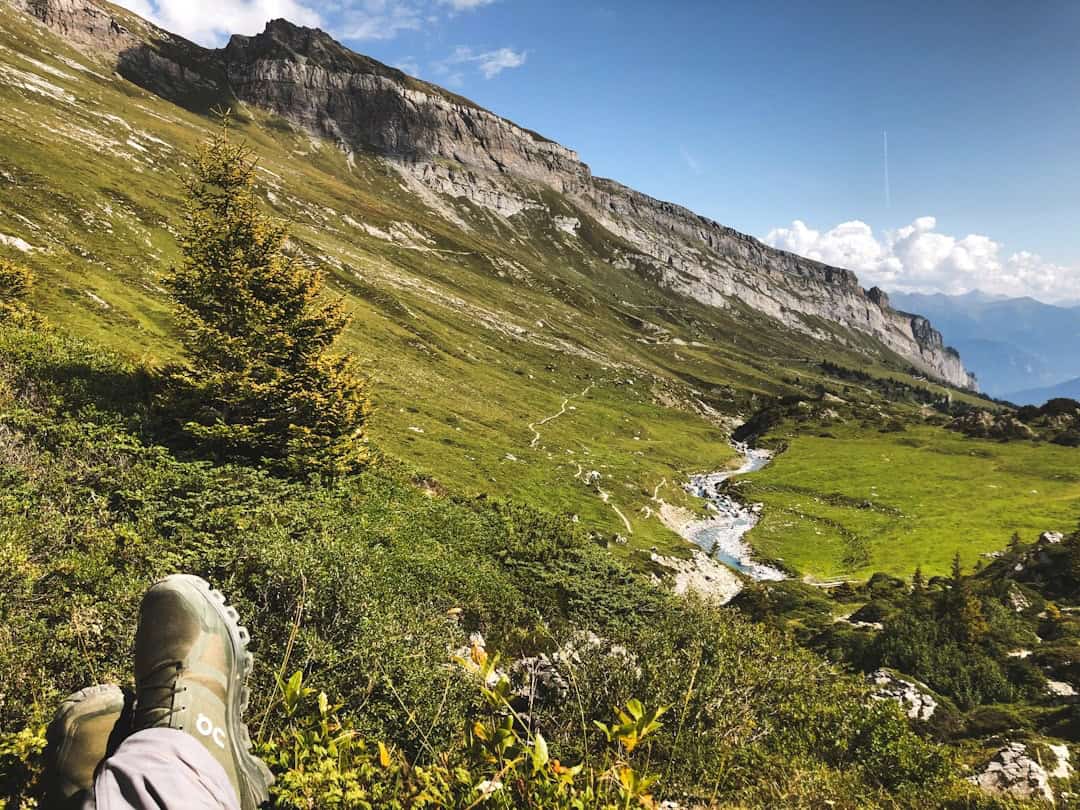
- Check webcams: Every region has live cams—essential for spotting lingering snow.
- Start early: Spring afternoons can bring sudden rain showers.
- Layer smartly: Mornings can be 5°C, afternoons 18°C.
- Use the SBB app: Trains are punctual and often cheaper booked ahead.
- Bring cash: Some rural farm stands and small cafés don’t take cards.
If you’re into travel tech, wearable navigation tools are getting interesting. I recently wrote about why upcoming Apple Glasses could matter for travelers—hands-free trail maps in the Alps? Yes, please.
Is Spring Better Than Summer?
For low-altitude hiking? Absolutely.
You’ll pay less for accommodation (expect CHF 120–180 for mid-range hotels instead of CHF 250+ in July), trails are quieter, and waterfalls are at peak power.
Summer is better for high alpine passes. But April and May belong to the valleys.
If you love dramatic spring landscapes, you might also enjoy my guide to Iceland’s South Coast in spring—similar waterfall energy, different vibe.
Getting There & Budget Snapshot
Flights: Zurich or Geneva are best entry points.
Transport: Swiss Travel Pass starts at CHF 244 for 3 consecutive days (2nd class). Expensive, but it covers trains, buses, and even many boats.
Daily budget estimate:
- Accommodation: CHF 120–200
- Food: CHF 25–40 (supermarket) or CHF 40–70 (restaurant)
- Transport: CHF 0–80 depending on pass
Switzerland isn’t cheap. But hiking is free—and spring gives you premium scenery without peak-season pricing.
Final Thoughts: Where I’d Go First
If you only have one weekend in April, go to Ticino (Ascona–Brissago). It feels like early summer.
If you’re visiting in May and want drama, choose Lauterbrunnen for waterfalls.
And if you want a balanced, classic Swiss landscape without heavy snow risk, Lake Lucerne is your safest bet.
Switzerland in spring rewards travelers who stay flexible and think low-altitude. Do that, and you’ll have alpine views—without alpine conditions.
Planning a spring hiking trip? Bookmark this guide, check local webcams a week before departure, and start building your route.
Frequently Asked Questions
Is April a good time for hiking in Switzerland?
Yes, but stick to trails below 1,500 meters. Higher alpine routes are usually still snow-covered, while low-altitude trails around lakes and valleys are often clear by mid-April.
Are Swiss hiking trails open year-round?
Many low-altitude trails are accessible year-round, but snow can block higher routes from November to May. Always check regional trail reports and webcams before heading out.
How expensive is hiking in Switzerland?
The trails themselves are free, but transport and accommodation are costly. Expect a daily budget of CHF 150–250 depending on lodging and whether you use a Swiss Travel Pass.
What should I pack for spring hiking in Switzerland?
Bring waterproof hiking shoes, layered clothing (5–18°C range), a light rain jacket, and sunscreen. Spring weather changes quickly, especially near lakes and valleys.