


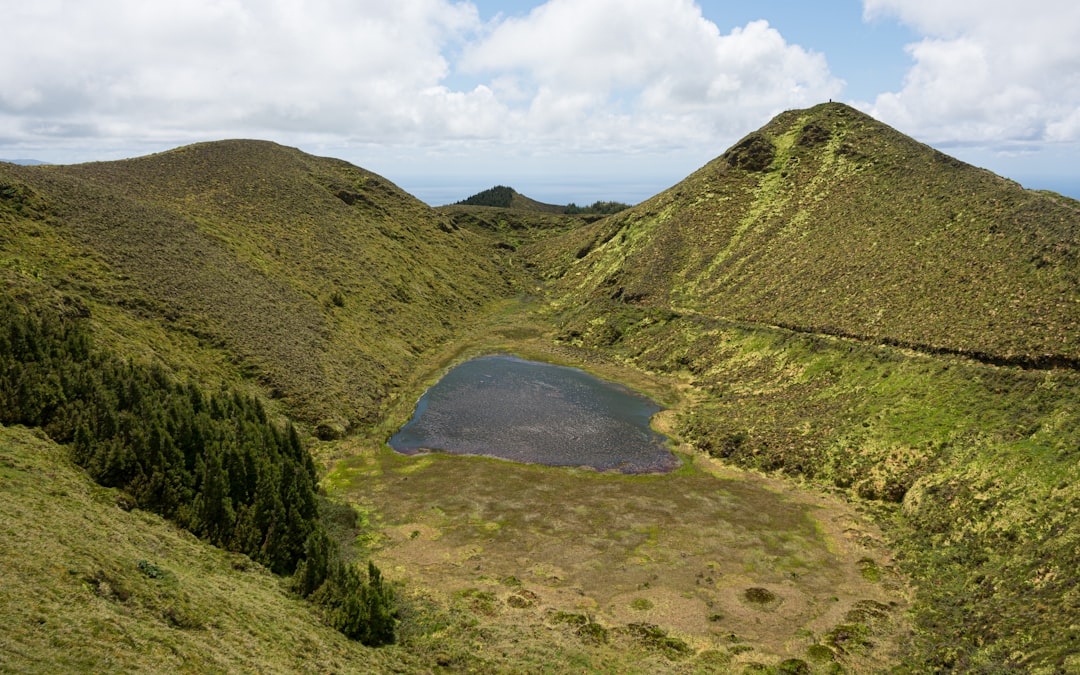
Spring in the Azores: A Complete Adventure Guide to Hiking, Hot Springs & Whale Watching
The first time I visited the Azores in spring, I landed in Ponta Delgada to fields of neon-green hills and hydrangeas just starting to bloom. It was April, 19°C (66°F), and I paid €35 for a whale-watching tour that ended with a pod of sperm whales surfacing 20 meters from our boat.
Spring (March to May) is, in my opinion, the best time to visit the Azores. Flights are cheaper than summer, hiking trails are empty, and the Atlantic is alive with migrating whales. If you’re craving wild landscapes without peak-season chaos, this Portuguese archipelago delivers.
Here’s exactly how to plan an adventure-filled spring trip to the Azores — with honest tips on what’s worth your time (and what’s not).
Why Spring Is the Sweet Spot in the Azores
Summer gets the Instagram hype. Spring gets the magic.
From April to early June, daytime temperatures hover between 16–22°C (61–72°F). You’ll get misty mornings, dramatic cloudscapes, and bright afternoons — sometimes all in the same day.
Hotel prices are 20–40% lower than July and August. A solid boutique stay in São Miguel costs €90–140 per night in May. In summer? Easily €180+.
And the biggest win: space. No waiting for viewpoints. No packed thermal pools. No busloads blocking crater lake panoramas.
Hiking the Azores: The Trails You Shouldn’t Miss
The Azores are basically a giant volcanic playground. If you only hike one island, make it São Miguel. If you have 5–7 days, add Pico or São Jorge.
1. Sete Cidades Loop (São Miguel)
This is the postcard shot — twin lakes, one blue, one green, inside a massive crater.
The full loop is about 12 km (7.5 miles) and takes 4–5 hours. Moderate difficulty. Zero shade.
Start at Vista do Rei viewpoint. Go early (before 9 a.m.) to avoid fog rolling in. Parking is free.
Tourist trap warning: Don’t just drive to the viewpoint and leave. The real magic is walking the ridge trail.
2. Lagoa do Fogo (São Miguel)
Wild. Less developed. More dramatic.
The hike down to the lake and back is around 11 km round-trip and takes 3–4 hours. It’s steeper than Sete Cidades but quieter.
In spring, the hills are intensely green and dotted with wildflowers. Bring layers — the wind here is no joke.
3. Mount Pico Summit (Pico Island)
If you want bragging rights, climb Portugal’s highest peak (2,351 meters).
This is a serious 7–8 hour hike round-trip. You must register and pay about €25 per person. Good shoes are non-negotiable.
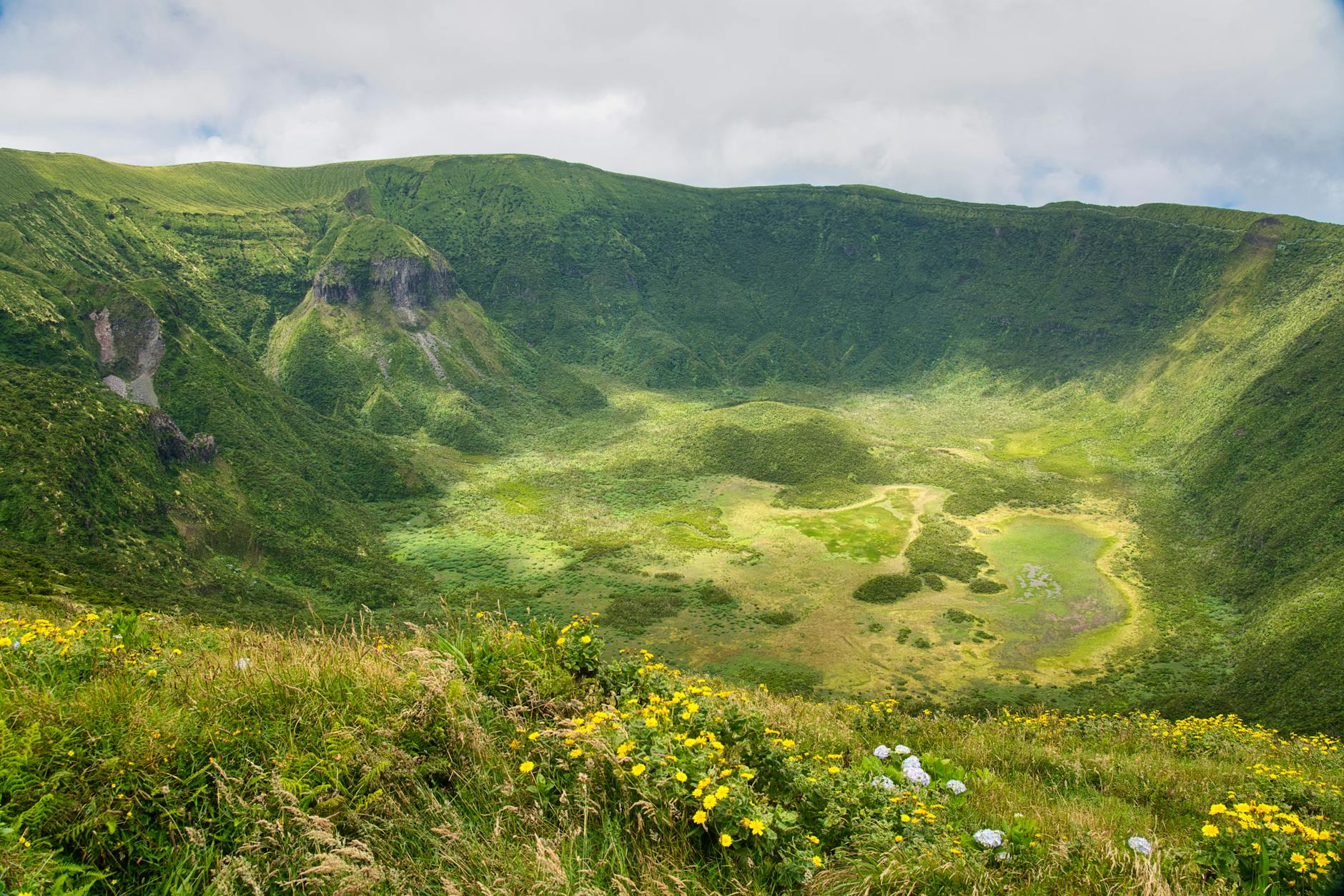
On a clear spring day, the views stretch across the Atlantic to neighboring islands. It’s unforgettable.
Hot Springs: Where to Soak After a Long Hike
The Azores sit on a volcanic hot spot — literally. After hiking, there’s nothing better than sinking into 38°C mineral water while mist rises around you.
Terra Nostra Park (Furnas, São Miguel)
Entry is €10–12 depending on season.
The large iron-rich thermal pool is iconic (and yes, it will stain your light-colored swimsuit). Go at opening time (10 a.m.) or an hour before closing to avoid tour groups.
Poça da Dona Beija (Furnas)
More intimate, multiple small pools, €8 entry for 1.5 hours.
Evenings are atmospheric, but you need a reservation in high season. In April? I walked straight in.
Caldeira Velha (Ribeira Grande)
This is the jungle waterfall hot spring you’ve seen online.
Tickets are timed and cost about €10. Book online at least a day ahead — even in spring it sells out on weekends.
Whale Watching in Spring: Peak Season for Giants
Spring is prime time for whale watching in the Azores. Migration routes pass right by the islands.
Between March and June, you can spot:
- Sperm whales (year-round residents)
- Blue whales (March–May)
- Fin whales
- Sei whales
- Dolphins (almost guaranteed)
Tours from Ponta Delgada cost €35–60 for 3 hours. Choose small RIB boats for closer encounters — but be ready for a bumpy ride.
I recommend booking with local marine biologist–led operators. Skip the cheapest option if safety briefings feel rushed.
Pro tip: Morning tours have calmer seas.
Where to Eat After a Day Outdoors
The Azores aren’t a fine-dining capital — and that’s the charm.
A Tasca (Ponta Delgada): Order the octopus stew and local Azorean wine. Expect €20–25 per person.
Bar Caloura (São Miguel): Grilled limpets and fresh fish overlooking the ocean. Go for lunch.
O Miroma (Pico): Post-hike steak and volcanic wine. Rustic, hearty, perfect.
Skip overly touristy waterfront spots with laminated menus in five languages.
Practical Travel Tips for Spring in the Azores
Spring weather is unpredictable. Plan smart.
- Rent a car. Public transport is limited. Expect €25–40 per day in spring.
- Pack layers and a rain jacket — showers pass quickly.
- Stay 4–7 days minimum to explore properly.
- Book whale tours early in your trip in case weather forces rescheduling.
- Download offline maps — cell service drops in crater areas.
If you like using tech to streamline travel planning, you’ll appreciate our guide on how to use AI tools to plan a 7-day Europe trip in under 30 minutes. It’s especially handy when coordinating island hopping.
How the Azores Compare to Other Spring Destinations
If you’re debating between the Azores and a classic U.S. spring escape, it comes down to vibe.
For beach parties and nightlife, check out these alternative Spring Break destinations in the U.S.. The Azores are the opposite: raw landscapes, geothermal baths, early nights, sunrise hikes.
Think Patagonia-lite — but in the middle of the Atlantic.
When Exactly to Visit in Spring
March: Best for blue whales. Cooler, greener, fewer tourists.
April: Ideal balance of weather and whale sightings.
May: Warmest spring month. Flowers bloom. Slightly busier but still relaxed.
Personally? Late April wins.
Is Spring in the Azores Worth It?
Absolutely — if you love nature more than nightlife.
You’ll hike volcanic craters in the morning, soak in geothermal pools by afternoon, and watch whales breach before sunset. All without summer crowds or inflated prices.
The Azores in spring feel wild, alive, and just a little undiscovered. And that’s rare in Europe.
If you’re planning a spring escape this year, put the Azores at the top of your list — and build your itinerary around the outdoors. That’s where this place shines.
Have questions about routes, gear, or island hopping? Drop them in the comments on distratech.com — I’m happy to help you plan it right.