


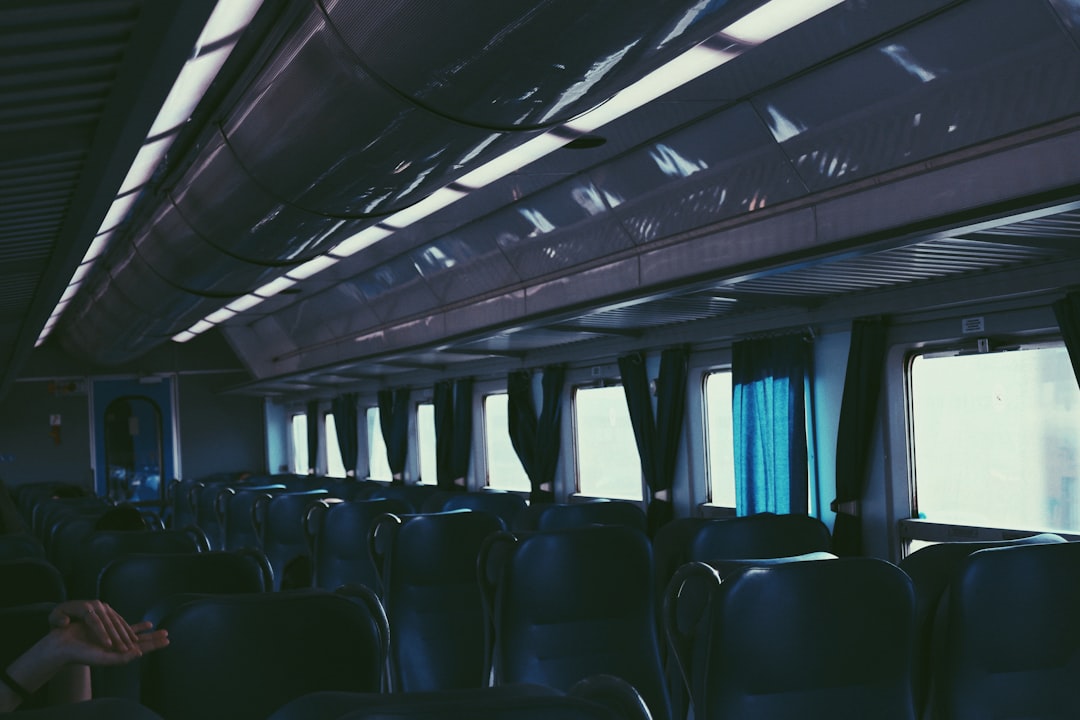
Solo by Rail Across Kazakhstan: An Epic Journey
There’s something deeply romantic about long-distance train travel—the slow roll across open landscapes, the shared tea with strangers, the quiet rhythm of steel on steel. So when I decided to cross the largest landlocked country in the world—Kazakhstan—I knew there was no better way to do it than by rail. Traveling solo from the Caspian shores in the west to the modern skyline of Astana and onward to Almaty near the Tian Shan mountains, I discovered a country as vast as it is misunderstood.
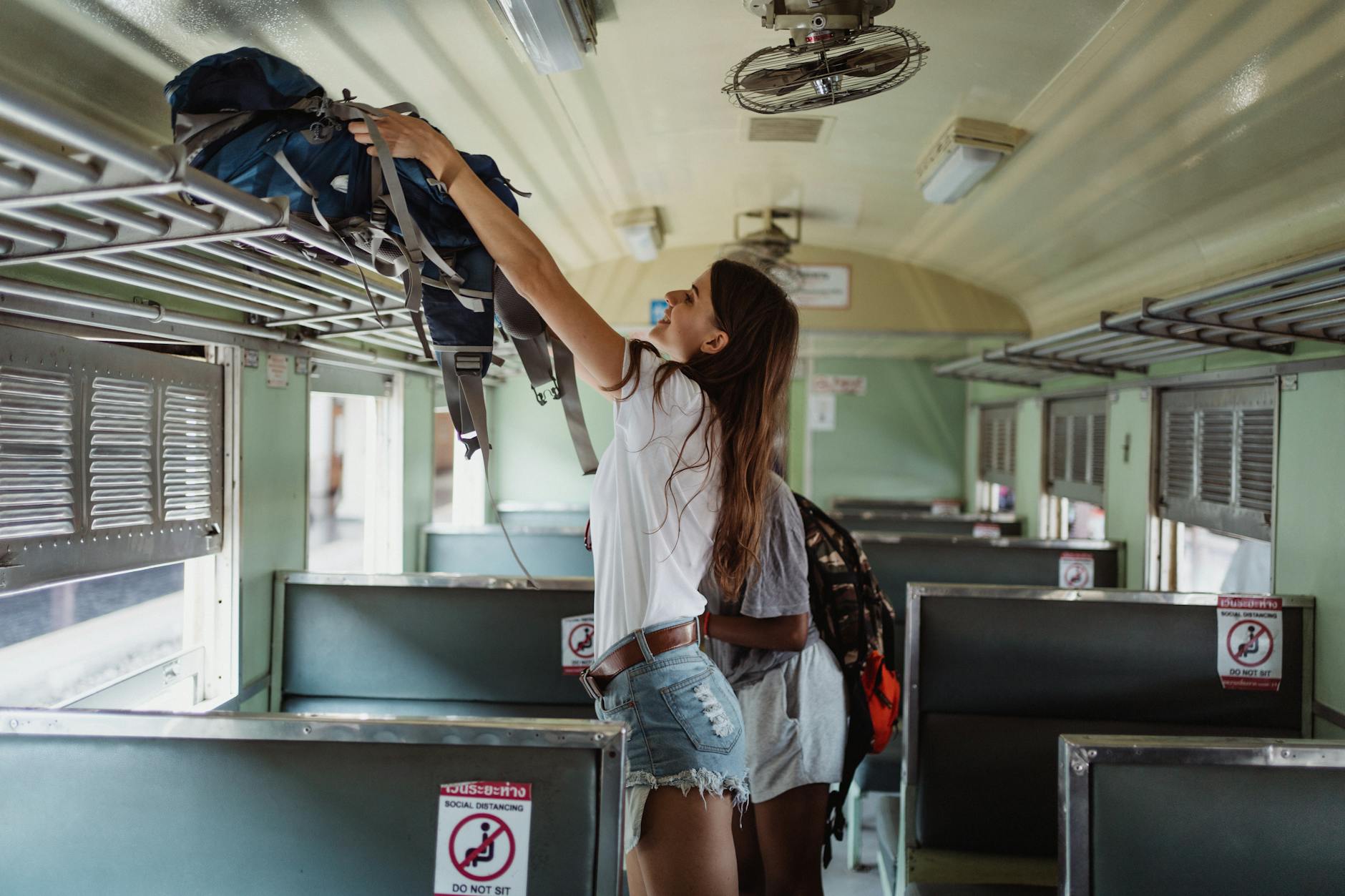
Kazakhstan is the ninth-largest country on Earth, yet many travelers barely scratch its surface. By choosing the railway, I didn’t just move through Kazakhstan—I felt it. If you’re considering your own solo rail adventure across this Central Asian giant, here’s what you need to know.
Why Kazakhstan Is Perfect for a Solo Rail Adventure
Kazakhstan’s sheer size makes flying tempting. But trains reveal the country’s soul. Stretching over 2.7 million square kilometers, this is a land of endless steppe, desert horizons, futuristic cities, and Silk Road history. The railway network, a legacy of the Soviet era, connects nearly every major city and runs with surprising reliability.
For solo travelers, Kazakhstan offers a rare combination: affordability, safety, and authenticity.
- Affordable fares: Long-distance tickets are remarkably budget-friendly, even for overnight sleeper cabins.
- Safe for solo travel: I found locals welcoming and protective, especially toward solo travelers.
- Authentic cultural exchanges: Train compartments encourage conversation—often over shared snacks and tea.
- Epic scenery: From the Caspian Sea to alpine lakes, the diversity is astonishing.
Unlike high-speed European routes, Kazakhstan’s trains move at an unhurried pace. That’s part of the charm. You’re not rushing between destinations—you’re inhabiting the journey.
Planning the Route: West to East Across the Steppe
My journey began in Aktau, a port city on the Caspian Sea. From there, I traveled east through Atyrau, Aktobe, and Karaganda before reaching Astana (recently renamed from Nur-Sultan). I ended my trip in Almaty, Kazakhstan’s cultural capital.
You can adapt this route depending on time, but here’s a practical breakdown:
- Aktau to Atyrau: Desert landscapes and oil towns give you a sense of Kazakhstan’s economic backbone.
- Atyrau to Karaganda: Long stretches of steppe—hypnotic, vast, and strangely calming.
- Karaganda to Astana: Soviet history meets futuristic architecture.
- Astana to Almaty: A dramatic shift from flat grasslands to mountain views.
Booking tickets: You can buy tickets via Kazakhstan Temir Zholy (KTZ), the national railway operator. Tickets are available online, though the website can be tricky. Many travelers use local ticket offices or hotel assistance.
Classes explained:
- Platzkart: Open dorm-style sleeper. Budget-friendly and social.
- Kupe: Four-berth closed compartment. Ideal for solo travelers wanting balance between privacy and interaction.
- SV: Two-berth cabin for maximum comfort.
I mostly chose kupe, which allowed meaningful conversations without sacrificing sleep.
Life on Board: What to Expect on Kazakh Trains
If you’ve never taken an overnight train in Central Asia, prepare for a fascinating cultural experience. The car attendants—provodnitsas—manage each carriage with quiet authority. They check tickets, provide fresh linens, and keep order.
Each wagon has a samovar dispensing free hot water, which becomes the social heart of the carriage. Tea is constant. So are shared meals.
What to pack:
- Instant noodles, tea bags, and snacks (though vendors appear at longer stops)
- Wet wipes and hand sanitizer
- Slippers for comfort
- A portable charger (outlets are limited)
- Offline translation app (Russian and Kazakh are dominant)
One of my most memorable moments happened somewhere between Karaganda and Astana. A retired teacher in my compartment insisted I try her homemade baursak (fried dough). In exchange, I offered chocolate from home. Despite limited shared language, we laughed for hours.
That’s the beauty of solo train travel here: you’re rarely alone unless you choose to be.
Comfort level: Trains are clean but basic. Bathrooms are functional. Showers are rare except on premium routes. Expect simple conditions—and embrace them.
Highlights Along the Way: Cities Worth Stopping For
While the train journey itself is transformative, Kazakhstan’s cities deserve time and attention.
Aktau: Sitting on the Caspian Sea, this city feels almost otherworldly. Visit the underground Beket-Ata Mosque and explore the dramatic Mangystau region if time allows.
Astana: Kazakhstan’s capital rises from the steppe like a sci-fi dream. The Bayterek Tower, Khan Shatyr mall, and the grand boulevards reflect the country’s ambition. Spend at least two days exploring its modern identity.
Karaganda: A former mining hub with complex Soviet history. The Karlag Museum offers sobering insight into the Gulag system.
Almaty: My favorite stop. Leafy streets, vibrant cafés, and snow-capped mountains create a relaxed yet energetic atmosphere. Take a day trip to Big Almaty Lake or hike in Ile-Alatau National Park.
Practical stopover tips:
- Plan at least one night between long train legs to avoid exhaustion.
- Use local ride apps like Yandex Go for easy transport.
- Carry cash—smaller stations may not accept cards.
- Register your SIM card early; mobile data is affordable and reliable.
Kazakhstan’s distances are enormous. A single leg can last 15 to 30 hours. Breaking up the journey keeps it enjoyable rather than overwhelming.
Costs, Visas, and Practical Advice for 2026
Kazakhstan remains one of the best-value destinations in Eurasia.
- Train tickets: $15–$40 for most long-distance routes in kupe class.
- Budget accommodation: $20–$50 per night in major cities.
- Meals: $5–$15 at local restaurants.
Many nationalities enjoy visa-free entry for short stays, but always confirm current regulations before departure.
Best time to travel:
- Spring (April–June): Mild weather and green steppe.
- Autumn (September–October): Comfortable temperatures and fewer tourists.
Summers can be extremely hot in the west, while winters bring sub-zero temperatures across much of the country. Trains run year-round, but weather will shape your experience.
Language tip: Learning a few Russian phrases goes a long way. English is growing in cities but remains limited in rural areas.
Safety note: I felt safe throughout the trip. Still, standard solo travel precautions apply—secure valuables and remain aware in busy stations.
The Unexpected Lessons of the Steppe
Crossing Kazakhstan by rail isn’t just a logistical achievement—it’s a mental reset. The endless horizon does something to you. It slows your thoughts. It stretches your sense of scale.
Traveling solo amplified that effect. Without distractions, I found myself fully present—watching herds of horses gallop across open plains, seeing sunsets melt into violet skies, listening to the soft hum of conversation in a language I barely understood.
In a world obsessed with speed, Kazakhstan’s railways invite you to move differently. To observe. To connect. To let the journey unfold at its own pace.
If you’re craving an adventure that combines affordability, authenticity, and sheer geographical drama, consider boarding a train across the world’s largest landlocked country. Go solo. Bring curiosity. Accept the tea. Watch the steppe roll by.
Your ticket isn’t just transportation—it’s an invitation to experience Kazakhstan the way it was meant to be seen: slowly, expansively, and with an open heart.
Ready to plan your own trans-Kazakhstan rail adventure? Start mapping your route, check current train schedules, and give yourself the gift of time. The steppe is waiting.