


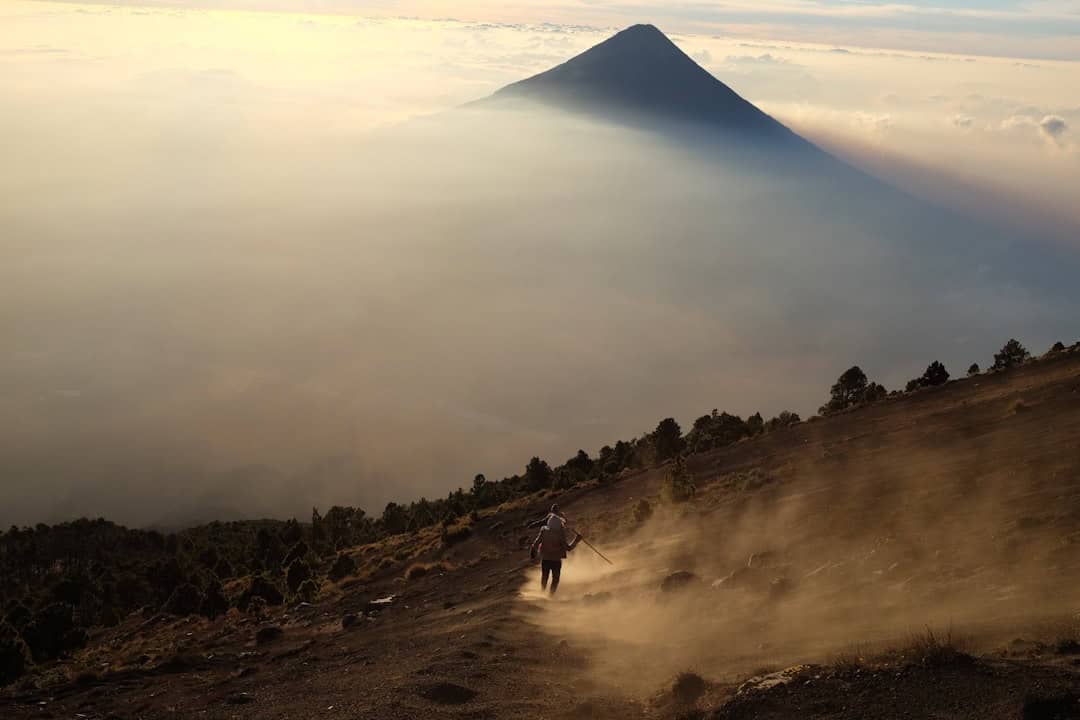
A Guide to Volcano Hiking, Mountain Biking and Eco-Guardianship in Rotorua
The first thing you notice in Rotorua isn’t the scenery — it’s the smell. Sulphur hangs in the air, steam rises from sidewalks, and the ground literally bubbles beneath your feet. It feels alive. And that’s exactly why this small North Island city is one of New Zealand’s most thrilling outdoor playgrounds.
Within a 30-minute drive, you can hike an active volcanic landscape, ride 100+ kilometers of world-class mountain bike trails, and join local Māori-led conservation projects that protect fragile geothermal ecosystems. Rotorua isn’t just about adrenaline — it’s about understanding the land you’re exploring.
Key Takeaways
- Hike Mount Tarawera with a guided tour (~NZD 220, 4–5 hours) for crater access and cultural insights.
- Redwoods Whakarewarewa Forest offers 160+ km of MTB trails, with bike rentals from ~NZD 70 per half day.
- Waimangu Volcanic Valley walk costs ~NZD 48 and takes 2–3 hours one way.
- Best months: November–April for dry trails and long daylight hours.
- Support eco-projects through local Māori tours and DOC conservation volunteering.
Hiking the Volcanoes: Raw, Active, Unforgettable
Rotorua sits in the Taupō Volcanic Zone, one of the most active geothermal regions on Earth. This isn’t a dormant postcard volcano — it’s living geology.
Mount Tarawera: The Crater You Can Walk Inside
If you do one hike in Rotorua, make it Mount Tarawera. The 1886 eruption destroyed the famous Pink and White Terraces and reshaped the landscape overnight.
Access is only via guided tour (around NZD 220 per adult), because the mountain is on private Māori land. Tours last 4–5 hours and include a 4WD ride to the summit, followed by a hike along the massive crater rift.
You’ll walk directly inside the volcanic fissure — red rock walls towering above you. It’s otherworldly.
Bonus: most tours end with an optional run or walk down to Lake Tarawera. Bring shoes you don’t mind filling with sand.
Waimangu Volcanic Valley: The Quiet Alternative
Prefer something self-guided and less expensive? Waimangu Volcanic Valley is your spot.
Entry costs around NZD 48, and the 3–4 km trail winds past steaming craters, neon-green lakes, and Inferno Crater — which literally rises and falls depending on geothermal pressure.
It’s an easy-to-moderate walk taking 2–3 hours. Go early (before 10 am) to avoid tour buses.
Rainbow Mountain (Maungakakaramea)
Short on time? The Rainbow Mountain summit track is a 1.5-hour loop with panoramic views over geothermal plains and colorful mineral-stained slopes.
It’s free, less crowded, and perfect at sunrise.
Mountain Biking in the Redwoods: World-Class Trails Without the Ego
I’ve ridden in Whistler. I’ve biked in Finale Ligure. Rotorua’s Whakarewarewa Forest — known simply as “The Redwoods” — holds its own.
There are over 160 km of trails, clearly graded from beginner (Grade 2) to expert (Grade 6). The volcanic soil drains incredibly well, meaning you can ride soon after rain.
Rentals and Costs
You don’t need to bring your own bike.
- Hardtail MTB rental: ~NZD 70–90 (half day)
- Full suspension: ~NZD 100–130 (half day)
- E-MTB: ~NZD 140–180 (half day)
- Helmet usually included
Top rental shops include Mountain Bike Rotorua and Planet Bike. Book ahead in peak summer (December–February).
Best Trails (According to Someone Who’s Eaten Dirt Here)
Tawa (Grade 2–3): Flowing and forgiving. Perfect warm-up.
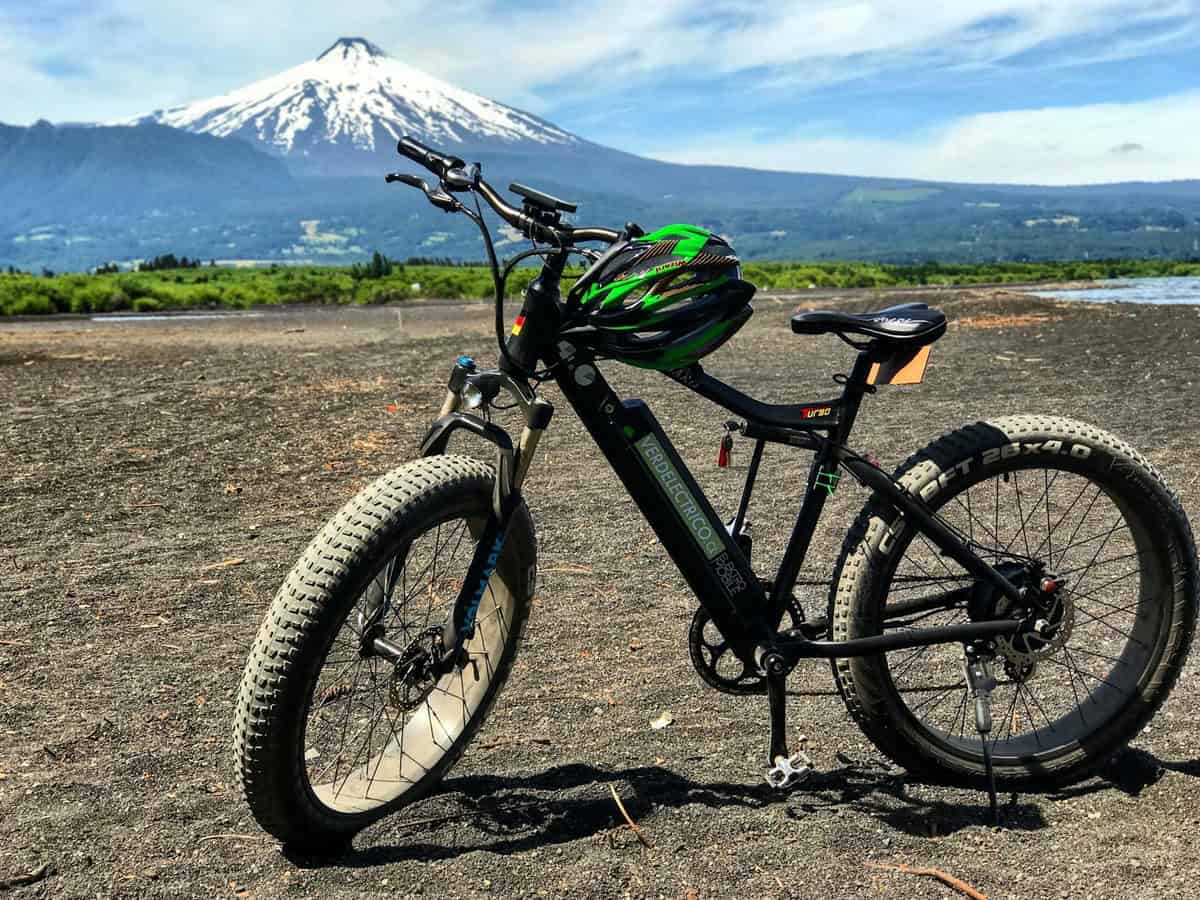
Te Ara Ahi (Grade 3): A 3.5 km geothermal trail opened recently — ride past steaming vents and bubbling mud pools.
Split Enz (Grade 4): Fast, fun, and slightly technical.
Tuhoto Ariki (Grade 5): Steep, rooty, not for beginners.
Want a different perspective? Try the Redwoods Treewalk at night. It’s not biking — it’s a suspended walkway 20 meters above ground, lit by lanterns.
Eco-Guardianship: How to Give Back While You Explore
Rotorua’s landscapes are fragile. Geothermal features shift. Forest ecosystems battle invasive species. Tourism helps fund conservation — but only if done responsibly.
Support Māori-Led Experiences
Many volcano tours are operated by local iwi (tribes), including Ngāti Rangitihi. These aren’t just sightseeing trips — they’re cultural education.
You’ll learn why certain areas are sacred, why access is restricted, and how land guardianship (kaitiakitanga) works.
Volunteer with DOC (Department of Conservation)
If you’re staying longer than a few days, check DOC’s website for volunteer planting or pest-control programs.
Even half a day helps restore native bush and protect birdlife like the kiwi.
Practical Eco-Tips
- Stay on marked trails — geothermal crust can collapse.
- Clean your hiking boots and bike tires to prevent spreading kauri dieback disease.
- Carry reusable water bottles (tap water is excellent).
- Respect closures — they’re usually for safety or cultural reasons.
Where to Eat After a Day Outdoors
You’ll be hungry. Rotorua’s food scene is better than people expect — but you need to know where to go.
Atticus Finch: Creative small plates and excellent cocktails. Great post-ride dinner.
Ciabatta Bakery: Go early for pies and strong coffee before a hike.
Scope Café: Reliable brunch spot near the lake.
Skip the overpriced buffet-style “hangi experiences” unless you’re specifically going for cultural immersion. Some feel mass-produced for bus tours.
Tech Tips for an Active Rotorua Trip
Rotorua’s trails are well signposted, but offline navigation helps. Download Google Maps offline or use AllTrails Pro for volcano hikes.
If you’re traveling with mixed devices, it’s worth knowing that some modern Android phones now support AirDrop-style sharing with Apple devices — helpful when swapping trail photos. Here’s what travelers should know about Android phones that now support AirDrop sharing.
And because Rotorua weather shifts quickly, packing smart matters. If you tend to overpack for adventure trips, this breakdown of PackGoat, the smart packing app for frequent travelers is genuinely useful.
When Is the Best Time to Visit Rotorua?
November to April is prime time. Expect 20–28°C (68–82°F), long daylight hours, and dry biking conditions.
Summer (December–February) is busiest. Book bike rentals and volcano tours at least a few days ahead.
Winter (June–August) is cooler (10–15°C) but less crowded. Trails remain rideable thanks to excellent drainage.
How Many Days Do You Need?
Minimum: 2 full days.
Ideal: 3–4 days — one for volcano hiking, one or two for biking, one for geothermal parks and cultural experiences.
Rotorua pairs well with Taupō (1 hour south) or Hobbiton (1 hour west), making it easy to add to a North Island road trip.
Final Thoughts: Rotorua Is More Than Steam and Selfies
Rotorua isn’t polished. It smells like sulphur. The ground hisses. The lakes steam at sunrise.
But that rawness is the point.
You come here to feel the planet breathing under your boots, to ride through ancient forest on tacky volcanic soil, and to understand why protecting these landscapes matters.
If you’re planning a New Zealand trip and want more than scenic lookouts, make Rotorua a priority. Hike the crater. Ride the Redwoods. Leave the land better than you found it.
And if you’ve already been — which trail or hike would you go back for?
Frequently Asked Questions
How much does it cost to hike Mount Tarawera?
Guided tours cost around NZD 220 per adult and include 4WD transport and crater access. Independent hiking isn’t allowed because the land is privately owned by local Māori iwi.
Is Rotorua good for beginner mountain bikers?
Yes. The Redwoods forest has many Grade 2 and 3 trails that are well maintained and clearly signposted. Rental shops provide beginner-friendly bikes and trail advice.
When is the best time for mountain biking in Rotorua?
November to April offers warm temperatures and long daylight hours. However, Rotorua’s volcanic soil drains well, making trails rideable year-round.
Are Rotorua’s geothermal parks safe to visit?
Yes, as long as you stay on marked paths. Geothermal ground can be unstable, so never step off designated trails or ignore warning signs.