


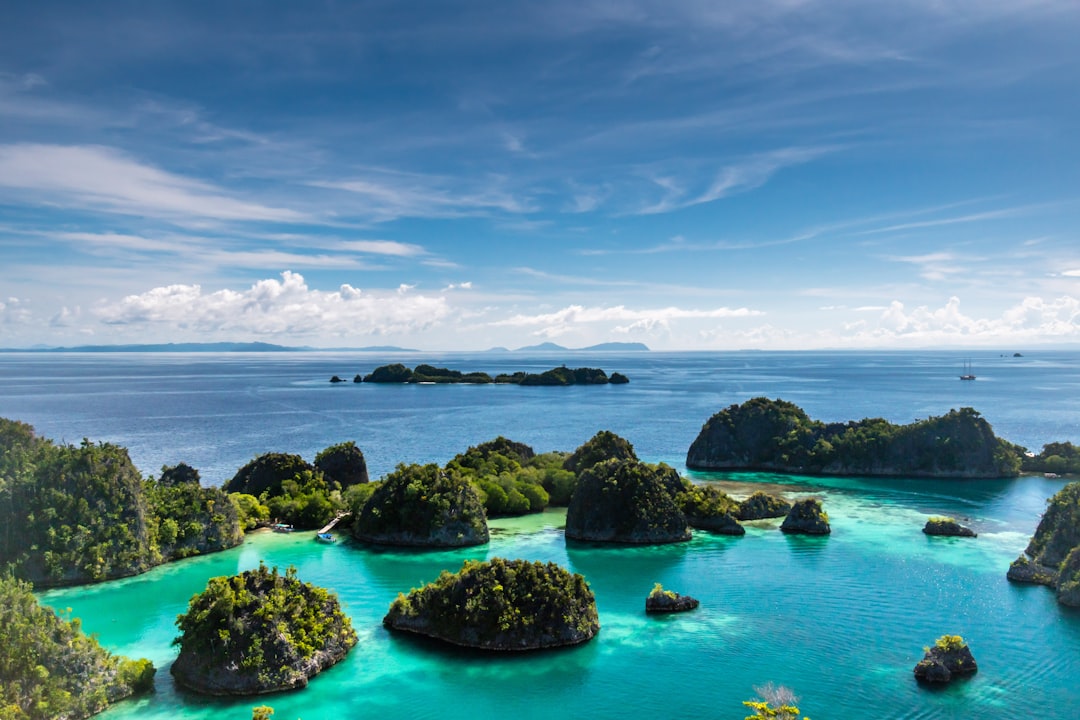
Raja Ampat Travel Guide: Indonesia’s Island Paradise
If there’s one place on Earth that truly feels untouched, it’s Raja Ampat. Scattered like emerald jewels across the turquoise waters of eastern Indonesia, this remote archipelago is a dreamscape of limestone karsts, hidden lagoons, thriving coral reefs, and sunsets that seem almost unreal. For divers, adventurers, honeymooners, and slow travelers alike, Raja Ampat isn’t just a destination — it’s an experience that lingers long after you leave.
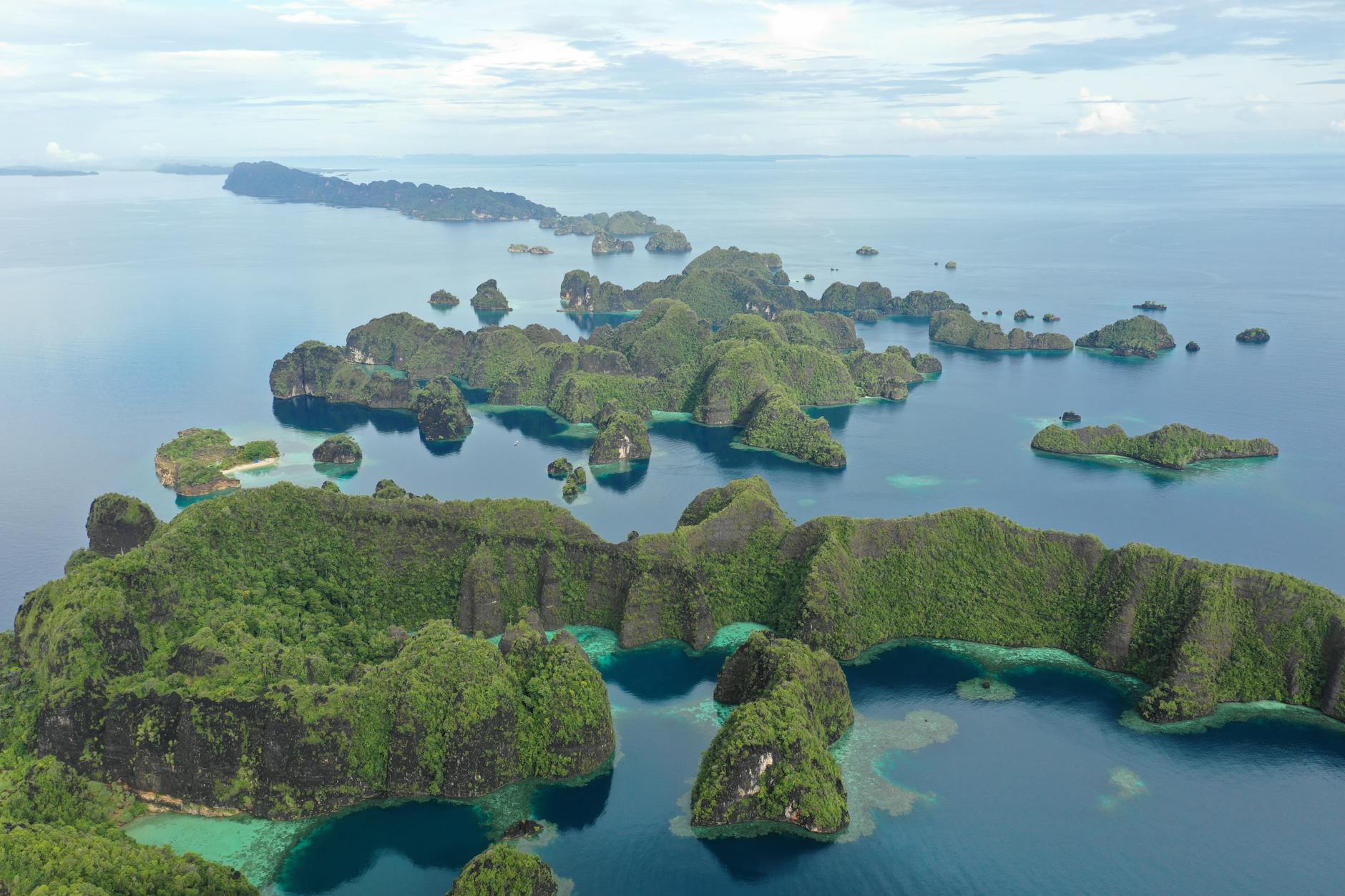
Located off the northwest tip of West Papua, Raja Ampat (which translates to “Four Kings”) is made up of more than 1,500 small islands. While it may require extra effort to reach, those who make the journey are rewarded with some of the richest marine biodiversity on the planet, postcard-perfect viewpoints, and an authentic connection to nature.
1. Why Raja Ampat Is Unlike Anywhere Else
Raja Ampat is often described as the “last paradise,” and once you arrive, you’ll understand why. The region sits at the heart of the Coral Triangle, home to over 75% of the world’s known coral species and more than 1,500 species of fish. The underwater world here is nothing short of extraordinary.
But it’s not just about diving. Above the surface, dramatic limestone formations rise from calm lagoons, jungle-covered islands hide secret beaches, and traditional Papuan villages offer a glimpse into a slower, more connected way of life.
Highlights you shouldn’t miss:
- Piaynemo Viewpoint – The iconic panorama of limestone islets in brilliant blue water.
- Wayag Islands – The most photographed karst landscape in Raja Ampat.
- Arborek Village – A charming local village with excellent snorkeling right off the jetty.
- Hidden lagoons and sandbanks – Perfect for kayaking and private beach moments.
Practical tip: Bring cash. ATMs are extremely limited, especially outside Waisai. Most homestays and small operators accept cash only.
2. Diving and Snorkeling: The Heart of the Experience
Raja Ampat is widely considered one of the best diving destinations in the world. Whether you’re a seasoned diver or a first-time snorkeler, the marine life here is breathtaking.
Expect to see manta rays gliding gracefully, reef sharks cruising along coral walls, schools of barracuda, vibrant nudibranchs, and even the elusive walking shark. Sites like Cape Kri hold world records for the number of fish species spotted in a single dive.
Snorkelers are equally spoiled. Many reefs are shallow and easily accessible from the shore, especially around homestays on islands like Kri, Gam, and Arborek.
Top dive and snorkel sites:
- Manta Sandy – Reliable manta ray encounters.
- Cape Kri – Unmatched marine biodiversity.
- Blue Magic – A thrilling site with pelagic action.
- Sauwandarek Jetty – Excellent shore snorkeling.
Practical tips:
- Currents can be strong. Dive with experienced local guides.
- Bring reef-safe sunscreen to protect fragile coral ecosystems.
- Book dive packages in advance during peak season (October to April).
If you’re not certified, consider completing your Open Water course here. Learning to dive in Raja Ampat is unforgettable — just be prepared for other destinations to pale in comparison afterward.
3. Where to Stay: Homestays vs. Eco-Resorts
Accommodation in Raja Ampat ranges from simple family-run homestays to luxurious eco-resorts. Your choice will shape your experience.
Homestays are the most common and budget-friendly option. Built over water or along quiet beaches, they offer basic but comfortable rooms, home-cooked Indonesian meals, and a chance to connect with local families. Electricity may be limited to certain hours, and Wi-Fi is rare — which, honestly, is part of the charm.
Eco-resorts provide more comfort, private facilities, professional dive centers, and curated excursions. They are significantly more expensive but ideal for honeymooners or travelers seeking added convenience.
Best areas to consider:
- Kri Island – Central location with excellent diving access.
- Gam Island – Quieter, immersed in nature.
- Waigeo – Largest island, closer to Waisai town.
- Misool – Remote, pristine, and perfect for exclusivity.
Practical tips:
- Most stays include three meals per day — confirm before booking.
- Transfers from Waisai are usually arranged by your accommodation.
- Expect limited connectivity — download maps and travel documents in advance.
Embrace the slower rhythm. Days here revolve around tides, boat rides, and sunset conversations rather than schedules and screens.
4. Planning Your Trip: When to Go and How to Get There
Reaching Raja Ampat requires planning, but the journey is part of the adventure.
How to get there:
- Fly internationally to Jakarta or Bali.
- Take a domestic flight to Sorong (SOQ).
- From Sorong, take the ferry (about 2 hours) to Waisai, the gateway to Raja Ampat.
- Your homestay or resort will arrange a boat transfer from Waisai.
Best time to visit:
The prime season runs from October to April, when seas are generally calmer and visibility is excellent for diving. However, Raja Ampat can be visited year-round. The region’s equatorial climate means warm temperatures (around 30°C/86°F) throughout the year.
Budget considerations:
- Marine park entry permit is required (fee applies).
- Boat transfers can be costly if traveling solo — consider sharing.
- Flights to Sorong may be the biggest expense.
Responsible travel tip: Raja Ampat’s ecosystem is fragile. Avoid single-use plastics, respect marine life, and support locally owned businesses whenever possible. Your choices help preserve this paradise for future generations.
Finally, allow enough time. Because of the travel involved, a minimum of 5–7 days is recommended, though 10 days will let you truly unwind and explore multiple islands.
Conclusion: Is Raja Ampat Worth It?
Absolutely. Raja Ampat is not the easiest destination to reach, nor is it the cheapest. But what it offers in return — pristine reefs, cinematic landscapes, meaningful cultural encounters, and a profound sense of remoteness — is priceless.
In a world where many “hidden gems” are no longer hidden, Raja Ampat remains gloriously wild. It’s a place where you wake to the sound of gentle waves beneath your bungalow, spend your days swimming alongside manta rays, and fall asleep under skies blazing with stars.
If you’re ready to trade convenience for wonder, crowds for coral gardens, and routine for raw natural beauty, start planning your journey to Raja Ampat today. Paradise is waiting — and it’s more spectacular than you imagined.