


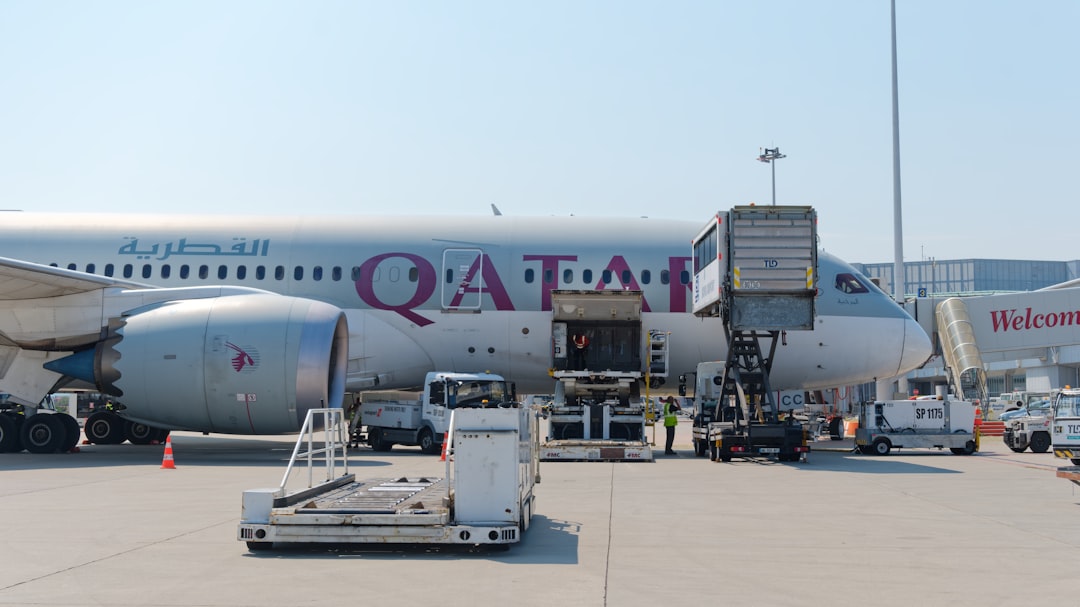
Qatar Airways to Operate Limited Repatriation Flights After Airspace Partially Reopens
For thousands of stranded travelers, students, and expatriates, the partial reopening of regional airspace has brought a long-awaited sense of relief. Qatar Airways has announced it will operate limited repatriation flights, offering a vital lifeline to passengers eager to return home or reconnect with loved ones. While operations remain restricted, this development signals cautious progress and renewed hope for international mobility.
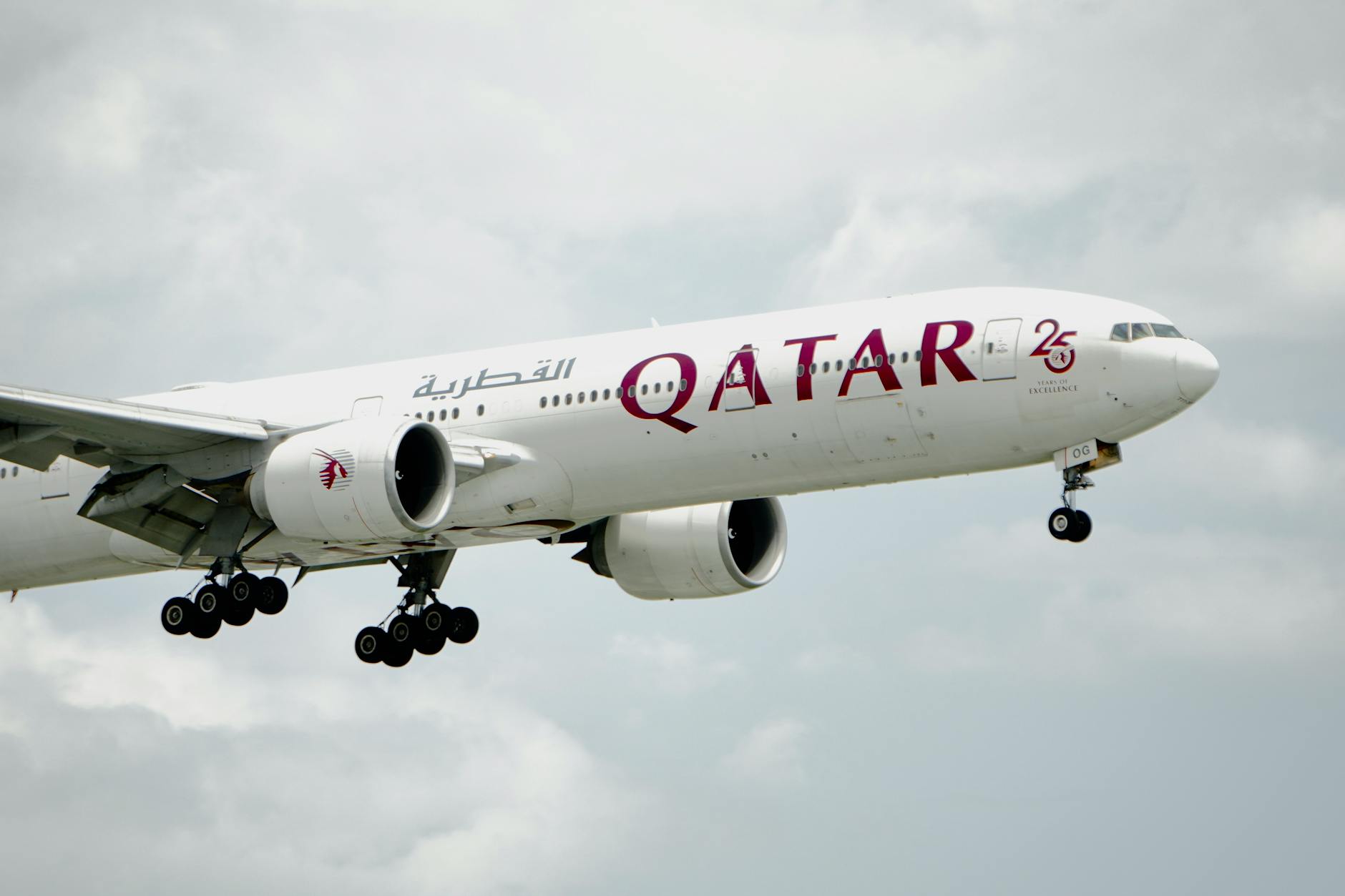
If you’re affected—or simply planning ahead—here’s what you need to know about Qatar Airways’ limited repatriation services, how to secure a seat, and how to travel smart during this transitional phase.
What the Partial Airspace Reopening Means for Travelers
The reopening of airspace—albeit partial—marks a significant turning point. For weeks, disrupted flight schedules and sudden cancellations left travelers in limbo. Now, aviation authorities have allowed select routes to resume under strict coordination, enabling Qatar Airways to reintroduce limited repatriation services.
However, “limited” is the key word. Flights are being carefully scheduled based on diplomatic agreements, operational feasibility, and demand. This means not all destinations are immediately available, and frequencies are far lower than normal.
What to expect:
- Reduced flight schedules compared to regular operations
- Priority given to stranded citizens and urgent humanitarian cases
- Potential last-minute changes depending on airspace permissions
- Heightened airport security and documentation checks
Qatar Airways is known globally for its operational resilience and five-star service, and even under challenging conditions, the airline is working to restore connectivity safely and efficiently.
Practical Tip: Monitor official Qatar Airways channels and your country’s embassy website for verified updates. Avoid relying solely on third-party booking platforms during volatile situations.
How to Book a Qatar Airways Repatriation Flight
Securing a seat on a limited repatriation flight requires preparation and flexibility. With demand high and capacity restricted, quick action is essential.
Here’s how to improve your chances:
- Register with Your Embassy: Many repatriation flights prioritize passengers coordinated through embassies or consulates.
- Check Qatar Airways’ Website Directly: The airline updates its booking portal as routes reopen.
- Be Flexible with Dates and Destinations: You may need to connect via Doha’s Hamad International Airport before reaching your final destination.
- Confirm Travel Eligibility: Ensure you meet entry requirements for your home country, including visas or residency permits.
Because these flights operate under exceptional circumstances, fares may differ from standard commercial pricing. In some cases, governments subsidize repatriation routes, while in others, passengers are responsible for full payment.
Practical Tip: Have digital and printed copies of your passport, visa, residency documents, and any emergency approvals. Internet access may be unreliable in crowded airport environments.
What to Expect at Hamad International Airport
Hamad International Airport (DOH), Qatar Airways’ award-winning hub, is gradually increasing operations but remains under heightened procedures. Even seasoned travelers may notice changes designed to ensure safety and compliance.
Expect:
- Longer processing times at check-in and security
- Additional document verification before boarding
- Possible health or safety screenings depending on destination rules
- Limited lounge access and reduced retail operations
Despite the operational challenges, Qatar Airways continues to maintain high service standards. Cabin crew are trained to handle sensitive repatriation situations with empathy and professionalism, recognizing that many passengers are traveling under stress.
Practical Tip: Arrive at least 3–4 hours before departure, even for short-haul flights. Procedures may take longer than usual, and arriving early reduces anxiety.
Also consider packing essentials in your carry-on:
- Medications and prescriptions
- Phone chargers and power banks
- Snacks and reusable water bottles (where permitted)
- A change of clothes in case of delays
Transit passengers should verify whether they are allowed to enter or remain airside during layovers. Rules can change quickly depending on geopolitical developments.
Planning Ahead: Travel Insurance, Flexibility, and Peace of Mind
Even as airspace partially reopens, the global aviation landscape remains fluid. Weather, security considerations, and diplomatic negotiations can influence flight operations at short notice.
That’s why flexibility is your greatest asset.
Here’s how to travel smart during this period:
- Choose Flexible Fares: If available, select tickets that allow date changes without heavy penalties.
- Invest in Comprehensive Travel Insurance: Ensure coverage includes trip interruption and emergency evacuation.
- Stay Informed Daily: Check both departure and arrival country advisories.
- Keep Emergency Contacts Handy: Save embassy, airline, and family contact numbers offline.
Qatar Airways has built a reputation for adaptability during global crises, previously operating special flights during pandemics, natural disasters, and regional conflicts. While uncertainty remains, the airline’s operational track record offers reassurance.
For leisure travelers planning future trips through Doha, this phased reopening is also encouraging. It signals gradual stabilization and a step toward restoring Qatar’s role as a major global aviation hub connecting Europe, Asia, Africa, and the Americas.
Practical Tip: If your travel is not urgent, consider waiting until flight frequencies increase. More options typically mean lower fares and smoother logistics.
A Sign of Hope for Global Connectivity
The return of limited Qatar Airways repatriation flights is more than just a schedule update—it’s a powerful reminder of how aviation connects families, economies, and cultures. For stranded passengers, it represents reunion. For the industry, it’s a cautious but meaningful restart.
While challenges remain, informed travelers can navigate this period with confidence. Stay flexible, verify information through official sources, and prepare thoroughly for your journey.
If you or someone you know is awaiting repatriation, now is the time to check eligibility, contact relevant authorities, and explore available flights. The skies are not fully open—but they are beginning to clear.
Ready to plan your next move? Visit Qatar Airways’ official website, connect with your embassy, and stay tuned to distratech.com for the latest travel updates and aviation news that matter to you.