


Namibia in 14 Days: The Ultimate Road Trip Itinerary for First-Time Explorers
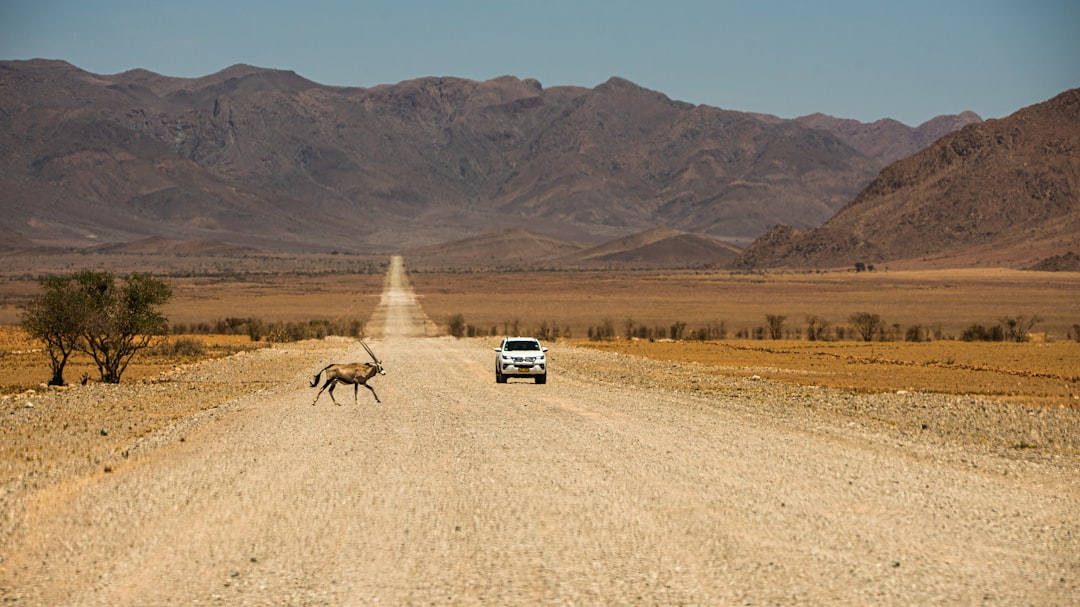
Namibia is the kind of place that rewires your sense of space. Endless desert horizons, towering red dunes, shipwreck-strewn coastlines, and wildlife roaming vast national parks—it’s raw, cinematic, and surprisingly accessible. If you’ve been dreaming of an African adventure that blends solitude, scenery, and safari, this 14-day Namibia itinerary is your perfect starting point.

Designed as a self-drive road trip (the best way to explore the country), this two-week route covers Namibia’s most iconic highlights while allowing time to truly experience each destination. Buckle up—this is going to be unforgettable.
Days 1–3: Windhoek & Sossusvlei – Into the Namib Desert
Your journey begins in Windhoek, Namibia’s capital. After landing at Hosea Kutako International Airport, pick up your rental car (ideally a 4×4) and spend a night adjusting to the pace of the country. Windhoek is compact and relaxed—visit Christuskirche, stroll through Independence Memorial Museum, and enjoy dinner at a local game restaurant.
On Day 2, drive toward Sossusvlei in the heart of the Namib Desert (about 5–6 hours). The landscape shifts dramatically as you approach the world’s oldest desert.
Highlights in Sossusvlei:
- Climb the iconic Dune 45 at sunrise
- Explore the surreal white clay pan of Deadvlei
- Visit Sesriem Canyon
- Photograph the dunes at golden hour
Wake early on Day 3 to enter Namib-Naukluft National Park at sunrise. The light transforming the red dunes into glowing sculptures is something you’ll never forget.
Practical Tips:
- Stay inside the park gates if possible for early access.
- Carry plenty of water—desert heat is intense.
- A 4×4 is required for the final stretch to Deadvlei.
Days 4–6: Swakopmund & the Skeleton Coast – Adventure Meets the Atlantic
From Sossusvlei, drive northwest to Swakopmund (around 5 hours). The route via Solitaire offers quirky desert charm—don’t miss the famous apple pie stop.
Swakopmund feels like a German seaside town dropped between desert and ocean. With its colonial architecture and cool Atlantic breeze, it’s a refreshing contrast to the desert heat.
Top experiences in Swakopmund:
- Sandboarding or quad biking in the dunes
- Kayaking with seals in Walvis Bay
- Scenic flights over the Skeleton Coast
- Dolphin cruises from Walvis Bay
Dedicate one day to exploring part of the eerie Skeleton Coast, known for its shipwrecks and desolate beauty. The landscape here feels almost lunar.
Practical Tips:
- Book adventure activities in advance during peak season (May–October).
- Pack layers—coastal weather can be chilly and foggy.
- Fuel up before long coastal drives; stations are sparse.
Days 7–10: Damaraland & Etosha National Park – Wildlife and Wild Landscapes
Next, head north into Damaraland, one of Namibia’s most rugged and underrated regions. The drive itself is part of the experience—vast plains, rocky outcrops, and almost no traffic.
Spend a night or two near Twyfelfontein, a UNESCO World Heritage Site known for its ancient rock engravings. You can also track desert-adapted elephants with a local guide—an extraordinary experience.
Must-see spots in Damaraland:
- Twyfelfontein rock engravings
- Organ Pipes rock formation
- Burnt Mountain
- Desert elephant tracking tours
From here, continue to Etosha National Park, Namibia’s premier wildlife destination. Plan for at least three nights to maximize game viewing opportunities.
Etosha centers around a massive salt pan visible from space. Wildlife congregates at waterholes, making sightings relatively easy—even for first-time safari-goers.
Animals you might see:
- Elephants
- Lions
- Rhinos (both black and white)
- Giraffes
- Zebras and springbok
Self-driving is allowed and highly rewarding. Spend your days moving between waterholes and your evenings watching animals gather at floodlit camps.
Practical Tips:
- Stay inside the park for the best wildlife access.
- Enter gates at sunrise for optimal sightings.
- Bring binoculars and a good camera lens.
Days 11–14: Caprivi Strip or Return via Waterberg – A Different Side of Namibia
For the final stretch of your Namibia itinerary, you have two excellent options depending on your travel style.
Option 1: The Caprivi Strip (Zambezi Region)
If you want a greener, water-based safari experience, drive northeast toward the Caprivi Strip. This narrow corridor contrasts sharply with the rest of Namibia, offering rivers, wetlands, and lush vegetation.
- Boat safaris on the Chobe or Kwando River
- Birdwatching (over 400 species)
- Crocodiles and hippos sightings
- Easy extension to Victoria Falls (Zimbabwe or Zambia)
This region feels more like Botswana—perfect if you want to diversify your safari experience.
Option 2: Waterberg Plateau & Return to Windhoek
If you prefer a shorter drive back toward Windhoek, stop at Waterberg Plateau National Park. The red sandstone cliffs rising from the plains are striking and offer scenic hiking trails.
- Guided rhino tracking
- Plateau summit hikes
- Panoramic sunset views
Spend your final night back in Windhoek, enjoy a celebratory dinner, and reflect on the journey. Namibia has a way of staying with you long after you leave.
Practical Tips for the Final Days:
- Plan fuel stops carefully in remote regions.
- Allow buffer time for long driving distances.
- Return rental vehicles with extra time before flights.
Essential Travel Tips for a 14-Day Namibia Itinerary
Before you go, keep these overall recommendations in mind:
- Best time to visit: May to October (dry season, best for wildlife).
- Driving conditions: Many roads are gravel—drive slowly and cautiously.
- Accommodation: Book early, especially for Etosha and Sossusvlei.
- Safety: Namibia is one of Africa’s safest countries for self-drive travel.
- Connectivity: Expect limited signal in remote areas.
Distances may look manageable on a map, but Namibia is vast. Embrace the slow pace. The road itself is part of the magic.
Conclusion: Is 14 Days in Namibia Enough?
Fourteen days in Namibia gives you the perfect balance: epic desert landscapes, coastal adventure, cultural heritage, and world-class safari. It’s long enough to experience the country’s diversity but short enough to leave you wanting more.
If you’ve been craving a journey that feels both adventurous and deeply grounding, Namibia delivers in ways few destinations can. Start planning your road trip, map your route, and prepare for wide-open spaces that will change how you see the world.
Ready to turn this itinerary into reality? Save this guide, share it with your travel partner, and begin booking your Namibia adventure today.