


My Stay in Switzerland’s Oldest Mountain Inn – Where Winter Sports Aren’t Allowed
When you think of a Swiss mountain escape, you probably picture ski lifts slicing through snowy peaks, the whir of snowboards, and après-ski crowds clinking glasses in crowded chalets. That’s exactly what I expected—until I checked into Switzerland’s oldest mountain inn, a place where winter sports simply aren’t allowed. No skis. No snowboards. No sledges racing downhill. Just silence, history, and a very different kind of alpine magic.

Nestled high above the tree line, this centuries-old inn offers something rare in modern travel: true stillness. My stay wasn’t about adrenaline or ticking off ski runs—it was about slowing down, breathing deeply, and rediscovering what the mountains feel like without the noise. Here’s what it’s like to stay in one of Switzerland’s most unique alpine retreats—and why you might want to add it to your own travel list.
A Step Back in Time in the Swiss Alps
Switzerland’s oldest mountain inn has been welcoming travelers for centuries. Long before ski tourism transformed the Alps into a winter playground, mule drivers, merchants, and early adventurers stopped here for shelter. The building itself feels like a living museum: thick stone walls, low wooden beams darkened by age, creaky staircases, and small-paned windows framing dramatic alpine views.
But this isn’t a staged historical experience. It’s authentic. The inn has evolved gently over time, preserving its character while adding modern comforts like cozy duvets and hot showers. Electricity and heating are present—but discreet. The atmosphere remains refreshingly old-world.
What struck me most was the silence. Without the buzz of ski lifts or the scrape of metal edges on ice, the only sounds were the wind across the ridge and the distant crunch of boots on snow. Even in peak winter season, the mood is contemplative rather than chaotic.
Practical tips:
- Book well in advance during winter and summer high seasons—rooms are limited.
- Pack light but warm; historic buildings can have cooler corridors.
- Bring cash or check payment options ahead of time—remote locations sometimes have limited card facilities.
Why Winter Sports Aren’t Allowed—and Why That’s the Point
The idea of banning winter sports in the Alps sounds almost rebellious. But here, it’s intentional. The surrounding area is protected, and the inn has embraced a philosophy of slow mountain travel. Guests arrive on foot—often via marked winter hiking trails or snowshoe paths. There are no ski slopes, no tows, and no artificial snow machines.
At first, I wondered if I would miss the thrill of skiing. Instead, I found something deeper. Walking through the snow at my own pace made me more aware of the landscape—the texture of the snow underfoot, the shifting light on the peaks, the rhythm of my breathing in the crisp air.
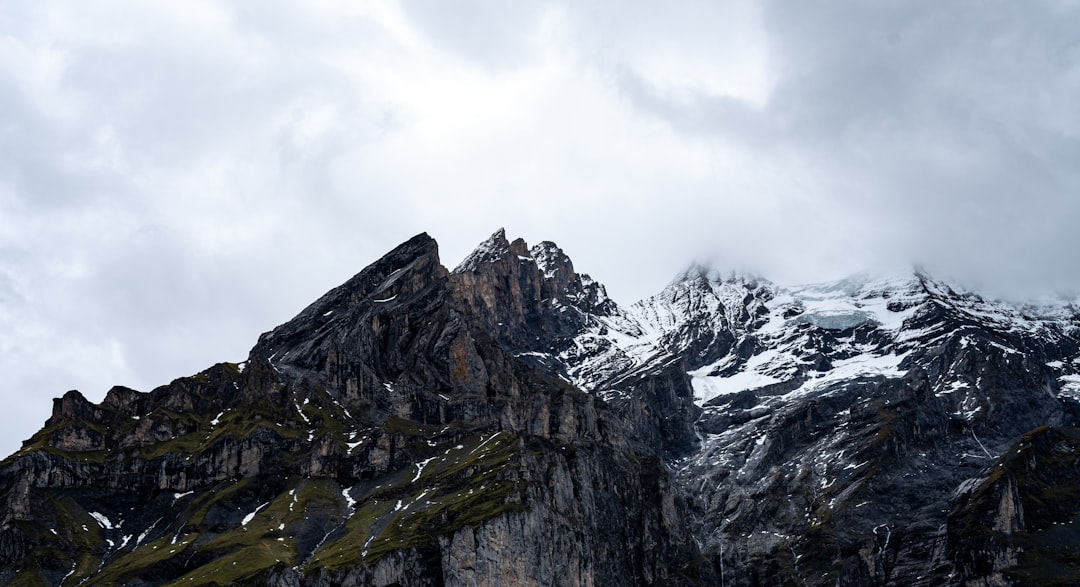
Without winter sports infrastructure, the mountains feel wilder and more intimate. Wildlife tracks are visible. The night sky, free from bright resort lighting, feels immense. The experience becomes less about performance and more about presence.
Practical tips:
- Wear proper winter hiking boots with good grip—trails can be icy.
- Consider bringing or renting snowshoes for deeper snow conditions.
- Check weather forecasts carefully; access routes may close during heavy snowfall.
Life at the Inn: Simple Pleasures and Alpine Comfort
Days at the inn unfold gently. Mornings begin with a hearty Swiss breakfast—fresh bread, local cheeses, homemade jams, strong coffee. There’s no rush to catch a lift. Instead, guests linger at wooden tables, sharing route ideas or simply gazing out at the mountains.
The dining experience deserves special mention. After a day of hiking through snow-covered landscapes, returning to the warmth of the dining room feels deeply satisfying. Expect traditional alpine dishes: rich soups, rösti, slow-cooked meats, and regional wines. Meals are communal in spirit, even if you’re seated at separate tables. Conversations spark easily when everyone shares the same journey up the mountain.
Evenings are my favorite time. With limited connectivity, guests put away their phones and lean into analog pleasures—board games, books, quiet chats by candlelight. The absence of constant digital distraction enhances the sense of retreat.
Rooms are simple but comfortable. Don’t expect luxury spa facilities or designer interiors. Expect thick blankets, solid wood furniture, and windows that frame unforgettable sunrises. Waking early to see the first light hit the peaks is worth every layer you’ll pile on.
Practical tips:
- Download maps and essential information before arrival—Wi-Fi may be limited.
- Bring a good book or journal for quiet evenings.
- Ask staff about sunrise or sunset viewpoints near the inn—they often know the best hidden spots.
How to Plan Your Stay in Switzerland’s Oldest Mountain Inn
Reaching the inn is part of the adventure. Depending on the season, you’ll typically take a train to a nearby alpine village—Switzerland’s public transport system makes this easy and scenic. From there, the final ascent is done on foot.
In winter, the hike can take anywhere from one to three hours, depending on your route and snow conditions. Luggage should be minimal and manageable. Some inns offer limited baggage transport services—check in advance if you need assistance.
Summer offers a completely different perspective. Lush alpine meadows replace snowfields, and hiking trails open up in every direction. The “no winter sports” rule becomes irrelevant, but the slow-travel philosophy remains. Mountain biking and high-impact activities may still be restricted to protect the environment.
One important consideration is fitness level. While you don’t need to be an elite athlete, you should be comfortable walking uphill at altitude. Take your time, stay hydrated, and allow for breaks. The journey is meant to be savored, not rushed.
Practical tips:
- Check seasonal opening dates—many mountain inns close during shoulder seasons.
- Travel insurance is highly recommended for alpine trips.
- Layer your clothing; mountain weather can change quickly.
- Arrive before dusk in winter for safer navigation.
A Different Kind of Alpine Luxury
Luxury in the Alps often means five-star chalets and ski-in, ski-out convenience. But my stay at Switzerland’s oldest mountain inn redefined luxury entirely. Here, luxury was space. Silence. Time. The ability to step outside and hear nothing but wind sweeping across ancient peaks.
By removing winter sports from the equation, the inn offers a rare chance to experience the mountains as earlier travelers once did—on foot, at human speed, with humility and wonder. It’s not about conquering the landscape. It’s about belonging to it, even briefly.
If you’re craving a Swiss mountain experience that prioritizes history, sustainability, and slow travel over speed and spectacle, this is it. Leave the skis behind. Pack your warmest layers. And prepare to rediscover the Alps in their purest form.
Ready to plan your own alpine escape? Start researching Switzerland’s historic mountain inns, book early, and embrace the art of traveling slowly. Sometimes, the most unforgettable journeys begin when you decide not to rush downhill.