


My Stay in Switzerland’s Oldest Mountain Inn
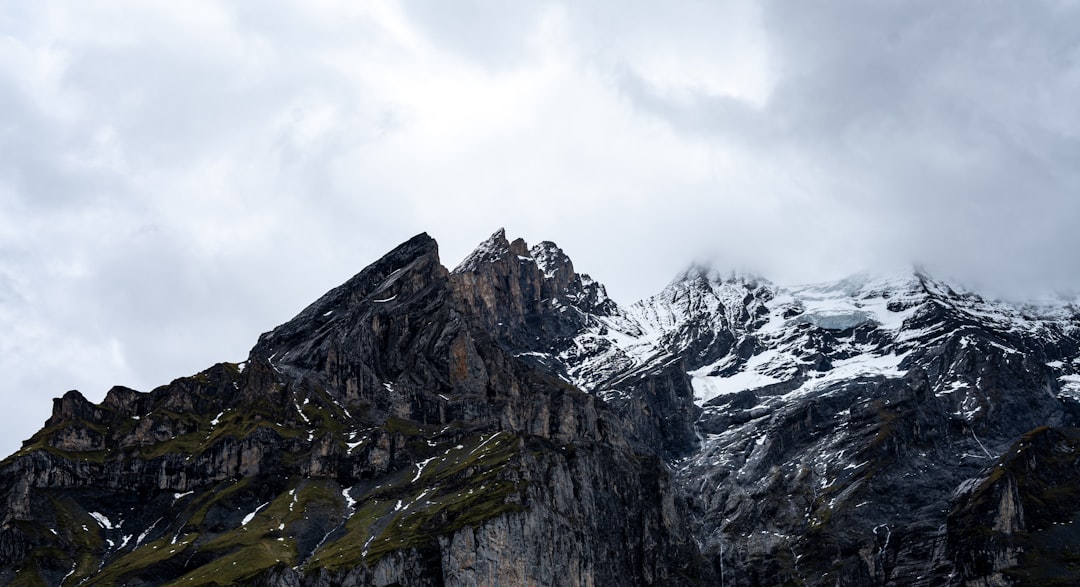
High in the Swiss Alps, where the air feels thinner and time moves a little slower, I found myself staying in a place that defies modern mountain culture. No ski lifts. No snowboards. No après-ski parties. In fact, winter sports aren’t allowed at all. Welcome to Switzerland’s oldest mountain inn — a centuries-old retreat where silence, simplicity, and snow-covered stillness take center stage.
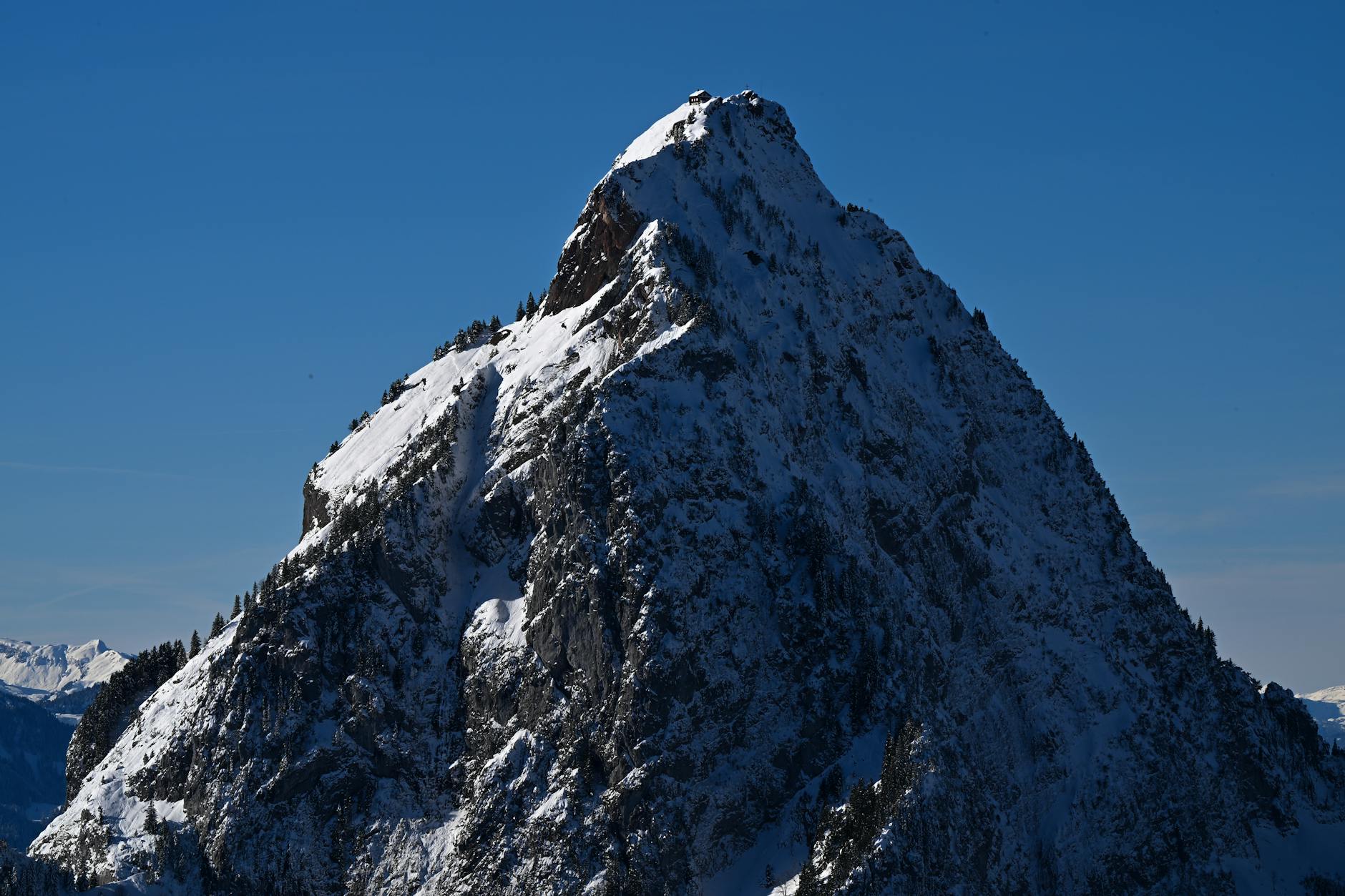
In a country famous for its world-class ski resorts, choosing a mountain stay where skiing is forbidden might sound strange. But what I discovered was something far more powerful than adrenaline: a return to Alpine tradition, mindful travel, and the kind of winter magic that existed long before chairlifts and snow cannons.
A Living Piece of Alpine History
Switzerland’s oldest mountain inn isn’t just a hotel — it’s a historical landmark. Dating back hundreds of years, the inn originally sheltered traders, mule drivers, and travelers crossing high mountain passes long before modern roads existed. Thick stone walls, wooden beams darkened by time, and creaking floors tell stories no museum plaque ever could.
Walking through the narrow corridors felt like stepping into another century. Yet despite its age, the inn is lovingly maintained. The rooms are simple but warm, furnished with solid wood beds, wool blankets, and small windows that frame dramatic mountain views. There’s no over-the-top luxury — and that’s exactly the point.
What struck me most was the atmosphere. Without the hum of ski traffic or the buzz of partygoers, the building feels grounded. Calm. Almost sacred.
Practical tips:
- Book early, especially for winter weekends. The inn has limited rooms and fills up quickly.
- Don’t expect five-star spa amenities — come for authenticity, not opulence.
- Bring cash; some historic mountain inns still have limited card facilities.
- Pack light but warm — thick socks and layers are essential in old stone buildings.
Winter Without Skiing: A Different Kind of Alpine Magic
No skiing. No snowboarding. No sledding. At first, the concept felt almost rebellious in a country synonymous with winter sports. But the ban isn’t arbitrary — it preserves the peaceful character of the area and protects the surrounding landscape.
Instead of carving down slopes, guests explore the mountains the old-fashioned way: on foot.
Snowshoeing trails wind through untouched white terrain. Winter hiking paths connect nearby valleys. The silence is profound, broken only by the crunch of boots in fresh snow and the distant echo of cowbells from lower pastures.
Without the rush of downhill sports, I found myself noticing small details: frost clinging to pine branches, sunlight turning snowfields into silver mirrors, the way mountain shadows stretch dramatically by mid-afternoon.
This slower pace creates space — mental and physical — that’s hard to find in modern resort towns.
Practical tips:
- Rent snowshoes locally or confirm availability with the inn in advance.
- Start hikes early; winter daylight hours are short in the Alps.
- Check weather forecasts carefully — conditions can change quickly at higher elevations.
- Bring a thermos; enjoying hot tea mid-hike makes the experience unforgettable.
Dining Like a Mountain Traveler From Centuries Past
If there’s one thing Switzerland does flawlessly, it’s comfort food — and at this inn, meals are part of the experience. The dining room, lit by warm lamps and candles, feels like a gathering place from another era.
Dinner isn’t rushed. Guests sit together at long wooden tables, sharing stories from the day’s hikes. The menu focuses on hearty regional dishes: bubbling cheese fondue, rösti crisped to perfection, slow-cooked stews, and crusty bread still warm from the oven.
There’s something deeply satisfying about eating traditional Alpine food after hours in the cold. Every dish feels earned.
Breakfast is simple but nourishing: fresh bread, local butter, homemade jams, strong coffee, and mountain cheese. It’s the kind of meal that prepares you for a day outdoors without weighing you down.
Because there’s little outside entertainment, evenings revolve around conversation. Some guests read by the fire. Others play board games. A few simply sit quietly, watching snow fall past centuries-old windows.
Practical tips:
- Inform the inn of dietary restrictions in advance — remote locations have limited supply runs.
- Embrace communal dining; it’s part of the cultural experience.
- Try regional specialties even if they’re unfamiliar — authenticity is the highlight.
- Stay hydrated; mountain air is dry, especially in winter.
How to Plan Your Stay (And Why You Should)
Reaching Switzerland’s oldest mountain inn requires intention — and that’s part of its charm. Depending on the season, access may involve a train ride to a nearby village followed by a marked hiking trail. In winter, that final stretch often becomes a snow-covered walk.
Arriving feels like an accomplishment. You don’t simply “check in” — you arrive.
The best time to visit depends on what you’re seeking. Winter offers pristine snow and unmatched tranquility. Summer reveals green meadows, wildflowers, and grazing cows. Autumn brings golden larch forests and crisp air. Each season transforms the landscape completely.
This isn’t a destination for thrill-seekers chasing high-speed adventure. It’s for travelers craving disconnection from noise and reconnection with nature. Digital signals are weak. Wi-Fi can be limited. But in exchange, you gain clarity and calm.
I left feeling rested in a way that luxury resorts rarely deliver — not because of spa treatments or infinity pools, but because the mountains themselves became the therapy.
Practical tips:
- Confirm seasonal access routes before traveling; some paths close during heavy snowfall.
- Wear sturdy waterproof boots for the final approach hike.
- Download maps offline — mobile reception may be unreliable.
- Plan at least two nights; one night isn’t enough to truly unwind.
Why This Experience Matters More Than Ever
In a world where travel often feels fast, filtered, and performance-driven, staying at Switzerland’s oldest mountain inn offers something radically different: presence.
Without ski lifts and crowded slopes, you notice the rhythm of the mountains. Without nightlife distractions, you reconnect with conversation. Without constant connectivity, you rediscover your own thoughts.
Winter sports may be banned here, but what replaces them is far richer — stillness, history, community, and an Alpine experience that feels timeless.
If you’re planning your next Swiss adventure, consider skipping the mega-resorts just once. Trade speed for silence. Trade adrenaline for authenticity. You might discover, as I did, that the most powerful mountain experiences aren’t about how fast you descend — but how deeply you connect.
Ready to experience Switzerland differently? Start researching historic mountain inns, plan your route carefully, and embrace a winter escape where the loudest sound is the snow beneath your boots.