


The Ultimate Spring Road Trip Through Morocco: Marrakech to the Sahara in 8 Days
I’ve driven from Marrakech to the Sahara twice — once in the brutal heat of July (mistake) and once in April (perfect). Spring is hands-down the best time for a Morocco road trip: snow still caps the Atlas Mountains, the desert isn’t an oven yet, and wildflowers bloom in valleys you didn’t expect to be green.
This 8-day Morocco itinerary covers roughly 1,200 kilometers, winding from chaotic souks to silent dunes. You’ll cross mountain passes at 2,260 meters, sleep in kasbahs for €40 a night, and ride camels into the Sahara at sunset.
Here’s exactly how to do it — with real distances, honest recommendations, and the mistakes to avoid.
Day 1: Arrive in Marrakech – Dive Into the Chaos
Most international flights land in Marrakech Menara Airport. A taxi to the medina should cost 100–150 MAD (€9–14). If someone quotes 300, walk away.
Spend your first day adjusting. Get lost in the souks, visit Bahia Palace (70 MAD), and watch sunset from a rooftop café overlooking Jemaa el-Fnaa.
Where to stay: Skip anonymous hotels. Book a riad inside the medina — Riad Dar Anika or Riad BE offer doubles from €80–120 with breakfast.
Tourist trap warning: The snake charmers and monkey handlers in the main square will demand money aggressively. Take photos only if you’re ready to pay.
Day 2: Marrakech to Aït Benhaddou (190 km / 4 hours)
Pick up your rental car early. Expect to pay €30–50 per day for a small manual car. An SUV is helpful but not essential in spring.
The drive over the Tizi n’Tichka Pass is spectacular. Snow on one side, desert tones on the other. Stop often — there are panoramic viewpoints everywhere.
Reach Aït Benhaddou by afternoon. This UNESCO-listed ksar looks like a movie set because it basically is (Gladiator, Game of Thrones).
Where to stay: Kasbah Ellouze. Around €60 per night with dinner included. Family-run, warm, and authentic.
Day 3: Aït Benhaddou to Dades Valley (250 km / 5 hours)
Drive east through Ouarzazate (quick coffee stop only — the film studios are overpriced and skippable).
Continue through the Valley of Roses if you’re traveling in April or May. The scent alone is worth it.
By late afternoon, you’ll reach Dades Gorge. The winding “monkey fingers” rock formations look surreal at golden hour.
Stay at: Auberge La Belle Vue. Simple rooms, epic terrace views, about €35–50 per night.
Day 4: Dades to Merzouga (Sahara Desert) – 270 km / 5 hours
This is the big one. You’ll pass Todra Gorge first — arrive before 10 a.m. to avoid tour buses.
After Erfoud, the landscape turns lunar. Then suddenly: dunes. Real Sahara dunes.
Park in Merzouga and switch to a 4×4 or camel ride arranged by your desert camp.
Desert camp cost: €70–120 per person including dinner, breakfast, camel ride, and private tent. Luxury camps can hit €250+, but honestly, mid-range is enough.
Spring nights are chilly (5–10°C). Bring layers.
Day 5: Sahara Sunrise & Drive to Nkob (240 km / 4.5 hours)
Wake before dawn. Climb the dune behind camp. Watching the sun rise over Algeria’s border is pure silence — no engines, no calls to prayer, just wind.
After breakfast, drive west toward Nkob, a quiet village surrounded by 45 kasbahs.
This stretch feels remote and authentic. Hardly any tour buses.
Stay at: Kasbah Baha Baha. Around €40 per night with dinner. Peaceful and personal.
Day 6: Nkob to Ouarzazate via Draa Valley (230 km / 4 hours)
The Draa Valley is lined with endless palm groves. It’s one of Morocco’s most underrated drives.
Stop at roadside cafés. Order a tagine (40–60 MAD) and mint tea (10 MAD). If you’re into street food culture like I am — similar to exploring night markets in Bangkok’s legendary street food scene — you’ll love Morocco’s informal roadside kitchens.
Overnight near Ouarzazate or slightly outside for better atmosphere.
Day 7: Ouarzazate to the Atlas Mountains (180 km / 4 hours)
Instead of rushing back to Marrakech, detour north into the High Atlas.
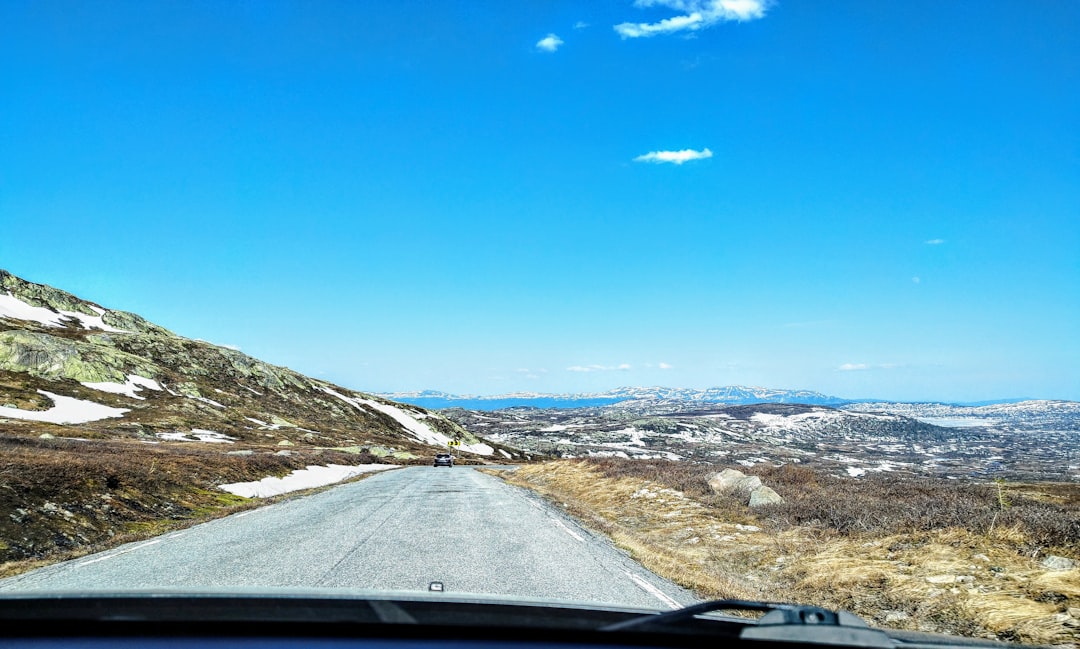
Stay in Imlil, a mountain village at 1,800 meters. Spring means green valleys and snow-capped peaks.
You can hike for 2–4 hours without a guide, but for summit attempts (like Mount Toubkal), hire one.
Stay at: Riad Atlas Prestige. Around €50–70 with breakfast and mountain views.
Day 8: Return to Marrakech (65 km / 1.5 hours)
It’s a short, scenic drive back. Refuel before reaching the airport — gas stations near Marrakech are pricier.
If your flight is late, squeeze in one last hammam. Expect to pay 150–300 MAD for a scrub and massage. You’ll leave relaxed and slightly obsessed with Morocco.
Budget Breakdown (Per Person, 8 Days)
- Car rental: €240 (€30/day)
- Fuel: €120 total (~€60 per person if sharing)
- Accommodation: €350–600 depending on riads & camp level
- Food: €15–25 per day (€120–200 total)
- Desert camp: €90 average
- Total: Roughly €800–1,100 per person
That’s exceptional value for this level of variety.
Practical Tips for a Morocco Spring Road Trip
- Book desert camps directly. Avoid inflated reseller prices on global platforms.
- Download offline maps (Google Maps or Maps.me). Signal drops in valleys.
- Carry cash. Small towns rarely accept cards.
- Drive defensively. Expect goats, cyclists, and sudden police checkpoints.
- Start early each day. Light is better, traffic is lighter, and temperatures are cooler.
If you enjoy culturally rich road trips, you might also like exploring food markets during Ramadan in cities like Istanbul — we covered the atmosphere in our guide to Istanbul’s best iftar experiences and night food markets. Different region, same sensory overload.
Why Spring Is the Best Time for This Route
March to May offers daytime temperatures between 20–28°C in most regions. The Sahara is warm but manageable.
In summer, desert temps exceed 45°C. In winter, Atlas passes can close due to snow.
Spring gives you contrast: snow, green valleys, and golden dunes — all in one week.
Is This Morocco Road Trip Worth It?
Absolutely — if you like independence.
Group tours from Marrakech to the Sahara cost €150–300 for just 3 days and feel rushed. Driving yourself lets you stop for photos, skip tourist traps, and linger where it feels right.
This route shows you Morocco’s full spectrum: imperial city, Berber villages, cinematic kasbahs, mountain air, and Sahara silence.
If you’re planning a spring escape that mixes adventure with culture — and want more smart, tech-friendly travel guides like this — explore more road trip itineraries here on Distratech.
Morocco in spring isn’t just a trip. It’s a highlight reel of landscapes you didn’t think could exist in one country.