



Middle East Flights: Emirates Aiming to Be Back at 100% Capacity in ‘Coming Days’
The Middle East aviation scene is buzzing again—and this time, it’s more than just optimism. Emirates, Dubai’s flagship carrier and one of the world’s most influential airlines, has announced it is aiming to return to 100% flight capacity in the “coming days.” For travelers, expats, and business flyers alike, this signals a powerful resurgence in regional and international travel.
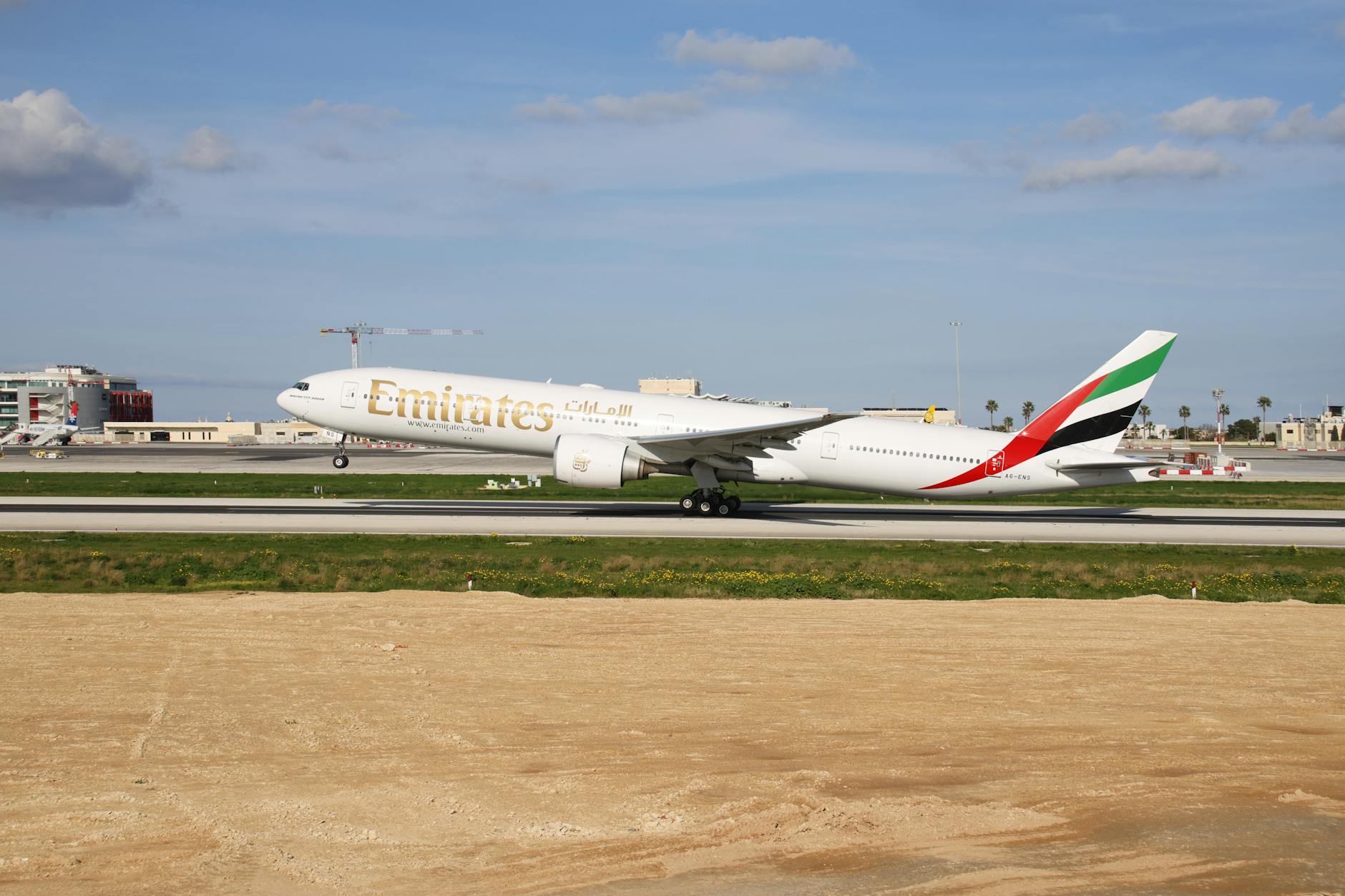
If you’ve been watching airfare trends, monitoring route resumptions, or simply dreaming of your next long-haul escape, this development could shape your 2026 travel plans in a big way. Here’s what Emirates’ return to full capacity really means—and how you can make the most of it.
What 100% Capacity Really Means for Middle East Flights
When Emirates says it’s aiming for 100% capacity, it’s not just about filling seats. It refers to restoring its full flight schedule across destinations, frequencies, and aircraft deployment. In practical terms, this translates into more routes, better connections, and greater seat availability across its vast global network.
For travelers flying through Dubai International Airport (DXB)—one of the world’s busiest hubs—this is major news. Emirates connects Europe, Asia, Africa, Australia, and the Americas with seamless transit options. A full-capacity operation means:
- More daily flight frequencies on popular routes
- Restored seasonal and secondary destinations
- Improved transit times and connection windows
- Greater seat availability in Economy, Business, and First Class
In short, flexibility returns to the market. And in aviation, flexibility often leads to competitive pricing and better travel experiences.
Practical Tip: If you’ve struggled to find direct flights or convenient layovers in recent months, now is the time to recheck routes. Previously unavailable itineraries may suddenly reappear.
Why This Matters for Regional and Global Travelers
The Middle East plays a central role in global air travel. Dubai, Doha, and Abu Dhabi function as critical connectors between continents. When a carrier like Emirates returns to full capacity, the ripple effect extends far beyond the UAE.
Here’s why this matters:
- Europe–Asia travel becomes smoother: Dubai remains one of the most efficient stopover hubs between these regions.
- Africa connections expand: Emirates serves numerous African cities underserved by direct Western routes.
- Australia and New Zealand routes stabilize: Emirates is a key bridge between Oceania and Europe.
- Business travel rebounds: Corporate routes regain frequency and reliability.
For leisure travelers, this resurgence means more spontaneous getaways. For business travelers, it restores the predictability required for tight schedules and international meetings.
Practical Tip: Consider multi-city itineraries. With expanded frequencies, you can often combine destinations—such as Dubai and Bangkok or Milan and Nairobi—without dramatically increasing airfare.
How Emirates’ Full Capacity Could Impact Airfares
One of the biggest questions for travelers is simple: will prices drop?
While airfare pricing depends on fuel costs, global demand, and seasonal factors, increasing seat capacity typically helps stabilize or reduce fares. When airlines operate at full capacity, they distribute operational costs across more passengers, often resulting in more competitive ticket prices.
Additionally, competition within the region remains strong. Carriers such as Qatar Airways, Etihad, and major European and Asian airlines are all actively expanding routes. A fully operational Emirates adds to this competitive dynamic.
Travelers may benefit in several ways:
- More promotional fares on long-haul routes
- Better availability for reward seat redemptions
- Lower last-minute fare spikes due to increased supply
- Enhanced upgrade opportunities in premium cabins
However, demand remains robust—particularly for peak travel seasons such as summer and year-end holidays. Waiting too long to book could offset any pricing advantages.
Practical Tip: Set fare alerts for your preferred routes and monitor prices over a 2–3 week period. With expanding capacity, you may notice greater fluctuations—and opportunities to book at a lower fare.
Planning Your Middle East Trip in 2026: What to Know
Emirates’ move toward full capacity signals confidence in the stability of Middle East air travel. For tourists planning a visit to Dubai or connecting onward, this is an ideal time to map out your itinerary.
Here’s how to make the most of the current momentum:
- Explore Dubai stopovers: Emirates’ stopover program allows travelers to turn a layover into a mini vacation. Think desert safaris, luxury shopping, and world-class dining.
- Book flexible fares: Even with improved stability, flexibility remains valuable for international travel.
- Check visa requirements early: Many nationalities benefit from visa-on-arrival in the UAE, but regulations vary.
- Leverage loyalty programs: Emirates Skywards members may find improved award availability as capacity increases.
Dubai itself continues to evolve as a global tourism magnet. New attractions, luxury resorts, and cultural initiatives ensure that even repeat visitors find something fresh. Meanwhile, improved connectivity opens doors to regional destinations like Muscat, Riyadh, Amman, and beyond.
For digital nomads and remote workers, expanded flight options also mean easier relocation or extended stays in the Gulf region, where infrastructure, safety, and lifestyle amenities remain strong draws.
Practical Tip: If you’re planning a long-haul journey between continents, compare direct flights versus Dubai stopovers. Sometimes breaking up the trip not only reduces fatigue but also creates a memorable travel experience.
The Bigger Picture: Confidence in Middle East Aviation
Emirates’ push toward 100% operational capacity sends a broader message: the Middle East aviation sector is resilient and future-focused. Dubai International Airport continues to handle massive passenger volumes, and regional governments are investing heavily in tourism, infrastructure, and airline expansion.
This confidence matters. Travelers crave certainty—reliable schedules, stable routes, and minimal disruptions. When a global airline publicly commits to full capacity, it reassures markets and passengers alike.
Moreover, the Middle East’s strategic location ensures its relevance in global aviation. Positioned between East and West, the region remains indispensable for long-haul connectivity.
For travelers in 2026, that means opportunity: more destinations, smoother journeys, and potentially better value.
Ready to Take Off?
With Emirates aiming to restore Middle East flights to 100% capacity in the coming days, the skies over Dubai are looking busier—and brighter—than ever. Whether you’re planning a luxury escape, a business trip, or a round-the-world adventure, expanded connectivity opens new doors.
Now is the time to start researching routes, setting fare alerts, and mapping out your next journey. The return to full capacity isn’t just an operational milestone—it’s an invitation to explore.
Where will you fly next?