



Middle East Airspace Closures: Latest Updates for Travelers
If you’re planning a trip that crosses the Middle East — whether you’re heading to Europe, Asia, Africa, or stopping over in the Gulf — you’ve likely seen headlines about airspace closures and flight reroutes. It can feel overwhelming. Flights diverted. Layovers extended. Routes suspended. But here’s the good news: with the right information and a flexible mindset, you can still travel smoothly and confidently.
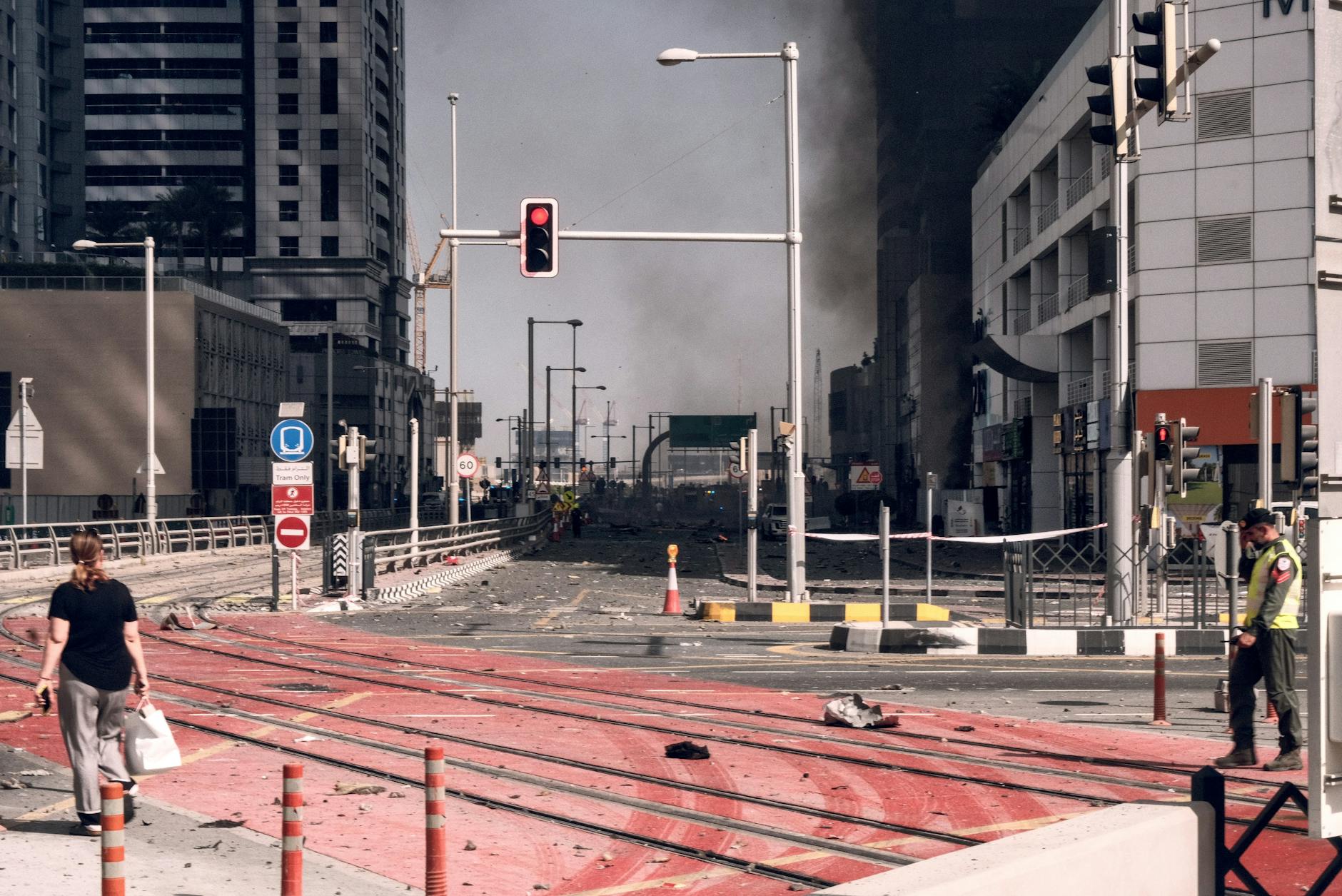
This guide breaks down the latest situation around Middle East airspace closures, what they mean for travelers, and how you can protect your itinerary, your budget, and your peace of mind.
1. Why Middle East Airspace Closures Happen
The Middle East sits at the crossroads of global aviation. Major flight paths connecting Europe, Asia, Africa, and Oceania often pass over countries such as Iran, Iraq, Israel, Jordan, Syria, and the Gulf states. When tensions rise or security risks increase, aviation authorities may temporarily close airspace or issue restrictions.
Airspace closures typically happen for three main reasons:
- Military conflict or regional tensions
- Missile or drone activity in flight corridors
- Precautionary safety measures from aviation regulators
In recent months, various countries in the region have periodically restricted or closed sections of their airspace. These decisions are often made quickly and can change within hours.
What this means for travelers:
- Flights may be rerouted, adding 30 minutes to several hours of flying time.
- Some routes may be temporarily suspended.
- Connection times may become tighter or require rebooking.
Importantly, airlines prioritize safety above all else. If your flight is operating, it has been cleared through secure and approved air corridors.
2. How Airspace Closures Affect Your Flight Plans
Even if you’re not traveling to the Middle East directly, closures can impact long-haul routes worldwide. Flights between Europe and Asia, North America and India, or Australia and Europe frequently cross the region.
Here’s how disruptions typically play out:
- Longer flight times: Aircraft may detour north over Central Asia or south over Egypt and Saudi Arabia.
- Higher fuel costs: Occasionally reflected in ticket prices over time.
- Schedule adjustments: Departure and arrival times may shift.
- Missed connections: Especially in tightly scheduled hub airports.
Major Middle Eastern hubs — including Doha (Qatar), Dubai (UAE), Abu Dhabi (UAE), and Istanbul (Turkey) — often adapt quickly. However, if closures affect neighboring airspace, ripple effects can extend globally.
Practical tips to protect your itinerary:
- Book longer layovers (at least 2–3 hours for international connections).
- Choose a single-ticket itinerary instead of separate bookings.
- Fly with airlines known for strong rebooking policies.
- Avoid the last flight of the day when possible.
If your route crosses sensitive airspace, monitor updates 48–72 hours before departure. This is when schedule changes most commonly appear.
3. Your Rights as a Passenger During Disruptions
When airspace closures disrupt travel, knowing your rights can make all the difference.
Passenger rights depend on:
- The airline you’re flying with
- Your departure country
- Your ticket type
- The reason for disruption
In many cases, airspace closures fall under “extraordinary circumstances,” meaning airlines may not owe cash compensation. However, they are still typically required to:
- Offer rebooking on the next available flight
- Provide meals or hotel accommodation during long delays (depending on local regulations)
- Refund your ticket if you choose not to travel
For example:
- EU Regulation EC261 protects passengers departing from the EU, though compensation may not apply in security-related cases.
- U.S. regulations require refunds for canceled flights but do not mandate compensation for delays.
Smart traveler checklist:
- Save digital and printed copies of your booking.
- Screenshot delay notifications.
- Keep receipts for meals and accommodation.
- Contact the airline via app chat for faster responses.
Travel insurance becomes especially valuable during periods of instability. Look for policies that include trip interruption, delay coverage, and missed connection protection.
4. How to Travel Confidently During Regional Uncertainty
Headlines can make the situation feel more chaotic than it often is. In reality, global aviation systems are highly coordinated. Airlines, governments, and international aviation bodies constantly assess risk and adjust flight paths accordingly.
Still, flexibility is your best travel companion.
Before booking:
- Check your government’s travel advisory website.
- Research whether your route typically crosses restricted airspace.
- Consider airlines with strong operational resilience (large fleets, multiple route options).
Before departure:
- Download your airline’s mobile app for instant updates.
- Opt into SMS and email alerts.
- Arrive at the airport early in case of last-minute changes.
If your flight is rerouted mid-journey:
- Stay calm — rerouting is precautionary and common during closures.
- Check your onward connection status while in flight using onboard Wi-Fi if available.
- Speak with transfer desk agents immediately upon landing.
Many seasoned travelers now build “buffer days” into important trips — arriving a day early for cruises, tours, or major events. It’s a simple strategy that reduces stress dramatically.
Also consider alternative hubs. If one airport experiences heavy congestion due to rerouted traffic, nearby hubs may offer smoother transit. For example, travelers connecting between Europe and Asia might explore options via Central Asia or Southern Europe depending on airline networks.
Finally, remember that temporary airspace closures rarely mean entire regions are inaccessible. They typically involve specific corridors and are carefully managed to minimize risk.
Staying Informed: Reliable Sources for Updates
In fast-changing situations, misinformation spreads quickly. Stick to reliable sources:
- Your airline’s official website and app
- Airport departure boards
- Government travel advisory pages
- Reputable aviation news outlets
Avoid relying solely on social media rumors. Aviation decisions are data-driven and coordinated internationally — changes are announced through formal channels first.
If you’re a frequent flyer, consider setting fare alerts and flight tracking notifications. These tools help you react quickly if your route changes or new options open up.
Conclusion: Travel Smart, Travel Flexible
Middle East airspace closures can sound dramatic, but they are part of the aviation industry’s built-in safety system. Routes adjust. Airlines adapt. Travelers arrive — sometimes a little later than planned, but safely.
The key is preparation, flexibility, and staying informed. Build extra time into your itinerary. Choose smart connections. Understand your passenger rights. And invest in comprehensive travel insurance when flying through sensitive regions.
The world remains beautifully connected — even when flight paths temporarily shift. With a proactive approach, you can continue exploring confidently, whether you’re flying through Doha, Dubai, Istanbul, or beyond.
Before your next trip, check your flight status, review travel advisories, and share this guide with fellow travelers. Smart planning today means smoother journeys tomorrow.