
Mauritius Beyond the Beach: Mountain Peaks, Temple Lakes & Multicultural Cuisine
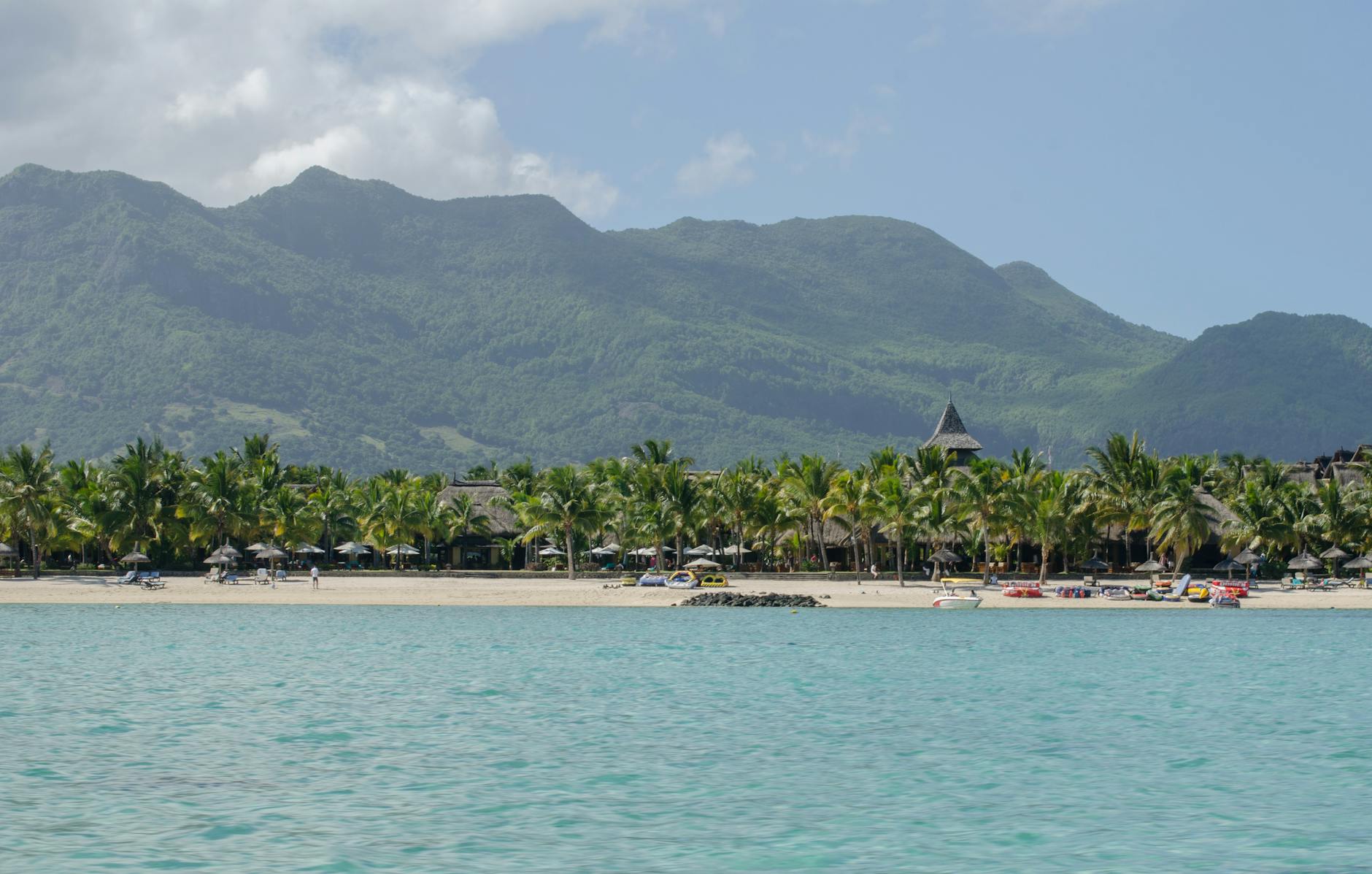
Think of Mauritius and you probably picture powder-soft beaches, turquoise lagoons and luxury resorts. And yes, the coastline is spectacular. But if you stop there, you’re only seeing one layer of this Indian Ocean island. Venture inland and you’ll discover dramatic mountain peaks rising from sugarcane fields, sacred temple lakes wrapped in mist, and a culinary scene shaped by Africa, India, China and Europe. Mauritius isn’t just a beach escape — it’s a vibrant cultural crossroads with landscapes that beg to be explored.
If you’re ready to trade your sun lounger for hiking boots and a fork, here’s how to experience Mauritius beyond the beach.
1. Climb the Iconic Mountain Peaks
One of the most surprising things about Mauritius is how mountainous it is. The island’s volcanic origins have carved out a rugged interior filled with jagged peaks, forested gorges and panoramic viewpoints. For outdoor lovers, this is paradise.
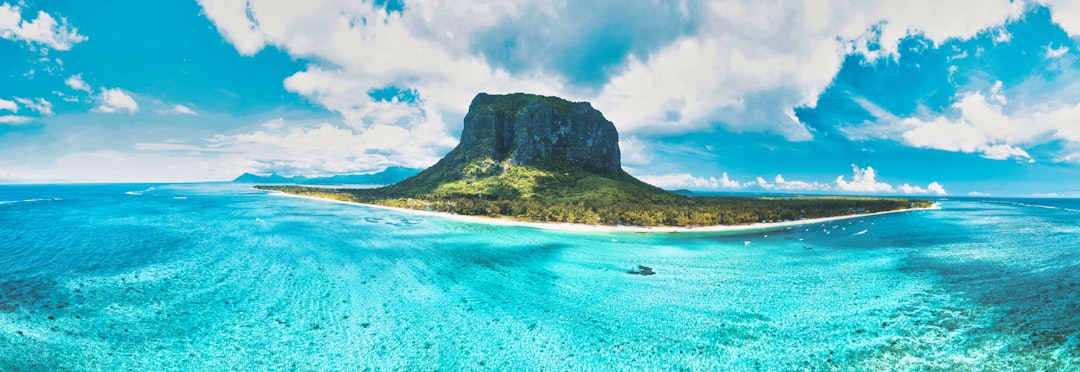
Le Morne Brabant is perhaps the most famous hike. This UNESCO World Heritage Site rises dramatically from the southwest coast and holds deep historical significance as a refuge for escaped enslaved people in the 18th and 19th centuries. The hike takes around 3–4 hours round trip. The first half is manageable for most fitness levels, while the final stretch requires some scrambling. The reward? Sweeping views over the lagoon and the illusion of the famous “underwater waterfall.”
For a more challenging adventure, tackle Pieter Both, the island’s second-highest peak, known for its distinctive boulder balanced at the summit. Or explore Black River Gorges National Park, where trails wind through native forests and lead to waterfalls and lookouts across the island’s wild southwest.
Practical tips:
- Start hikes early to avoid heat and afternoon rain.
- Wear proper hiking shoes — trails can be rocky and slippery.
- Consider hiring a local guide for Pieter Both or more technical routes.
- Bring plenty of water and sun protection.
Climbing these peaks gives you a new perspective on Mauritius — one that goes far beyond the shoreline.
2. Discover Sacred Temple Lakes and Spiritual Heritage
Mauritius is a mosaic of cultures and religions, and nowhere is this more evident than at Grand Bassin (Ganga Talao). Located in a crater lake in the island’s highlands, this sacred Hindu site is one of the most important pilgrimage destinations outside India.
Surrounded by statues of Hindu deities — including a towering 33-meter statue of Lord Shiva — the lake feels serene and powerful at the same time. During the annual Maha Shivaratri festival, hundreds of thousands of devotees walk here from across the island, carrying elaborately decorated offerings.
Even outside festival times, visiting Grand Bassin is a moving experience. Monkeys linger in the trees, incense drifts through the air, and pilgrims pray quietly by the water’s edge.
But Hinduism is just one thread in Mauritius’ rich tapestry. In the capital, Port Louis, you can visit:
- The colorful Kaylasson Temple
- The historic Jummah Mosque
- The elegant St. Louis Cathedral
- Chinese pagodas tucked into Chinatown
This remarkable religious coexistence reflects the island’s history of migration — from Indian indentured laborers to Chinese traders and French settlers.
Practical tips:
- Dress modestly when visiting temples and religious sites (cover shoulders and knees).
- Remove shoes when required.
- Be respectful when taking photos — always ask if unsure.
- Combine a Grand Bassin visit with a stop at nearby Black River Gorges.
Exploring these spiritual landmarks offers insight into the soul of Mauritius — peaceful, diverse and deeply rooted in tradition.
3. Taste the Island’s Multicultural Cuisine
If Mauritius had a national language, it might be food. The island’s cuisine is a delicious fusion shaped by African, Indian, Chinese and European influences. Eating your way across Mauritius is one of the most rewarding ways to understand its culture.
Start with street food. In Port Louis’ Central Market or along coastal villages, you’ll find:
- Dholl puri – thin flatbread stuffed with ground split peas and topped with curry and chutneys
- Gateaux piments – crispy chili cakes made from lentils
- Samosas – Indian-inspired but with a local twist
- Boulettes – Chinese-style dumplings served in flavorful broth
Seafood lovers will be in heaven. Freshly grilled marlin, octopus curry and shrimp vindaye (a tangy mustard-based dish) frequently appear on menus. Creole cuisine, with its rich tomato-based sauces and aromatic spices, reflects the island’s African roots.
Don’t miss a visit to a local rum distillery. Mauritius produces exceptional rum from its vast sugarcane plantations. Many estates, such as those near Chamarel, offer tastings paired with traditional Mauritian dishes.
Practical tips:
- Eat where locals eat — busy stalls are a good sign.
- Carry small cash for street food vendors.
- Try a home-cooked meal through a local guesthouse or food tour.
- If you’re sensitive to spice, ask for “pas trop piment” (not too spicy).
Every bite tells a story of migration, resilience and cultural blending — and that’s what makes Mauritian cuisine unforgettable.
4. Explore Colorful Villages and Untamed Landscapes
To truly see Mauritius beyond the beach, rent a car and explore at your own pace. The island is compact — you can drive from north to south in a couple of hours — but the diversity of scenery is remarkable.
Head to Chamarel, home to the surreal Seven Colored Earths, where sand dunes ripple in shades of red, purple and ochre. Nearby, the Chamarel Waterfall plunges dramatically into a lush gorge.
In the south, the coastline turns wild and rugged. Gris Gris offers crashing waves and dramatic cliffs — a sharp contrast to the calm lagoons of the north and west.
For a glimpse of everyday life, wander through villages like Mahébourg, a laid-back coastal town with colonial charm and a fascinating naval museum. On Mondays, its waterfront market buzzes with local energy.
If you’re craving nature without crowds, explore Île aux Aigrettes, a small coral island nature reserve dedicated to protecting rare native species, including giant Aldabra tortoises and pink pigeons.
Practical tips:
- Driving is on the left (a legacy of British rule).
- Public buses are affordable but slow — ideal if you’re not in a rush.
- Plan inland excursions on weekdays to avoid local weekend crowds.
- Pack layers — the central plateau can be cooler and mistier than the coast.
These landscapes and communities reveal a Mauritius that feels authentic, grounded and wonderfully diverse.
Conclusion: Go Beyond the Postcard
Mauritius may lure you in with its beaches, but it will win your heart with its mountains, temples and flavors. Climb a volcanic peak at sunrise. Stand quietly by a sacred lake. Share street food with locals in a bustling market. Drive through sugarcane fields toward a hidden waterfall.
This island is more than a honeymoon backdrop — it’s a cultural crossroads shaped by centuries of movement and exchange. So on your next trip, step beyond the resort gates. Explore deeper. Taste widely. Hike higher.
Mauritius beyond the beach is waiting — and it’s more extraordinary than you imagined.