


‘It’s Dedicated Exclusively to Female Artists, from Frida Kahlo to Tracey Emin’: Readers’ Favourite Unsung Museums in Europe
When we think of Europe’s great museums, blockbuster names like the Louvre, the Prado, and the Uffizi tend to dominate the conversation. But ask seasoned travellers where they’ve felt most surprised, most moved, most delighted—and you’ll often hear about places you won’t find on the typical “Top 10” list.
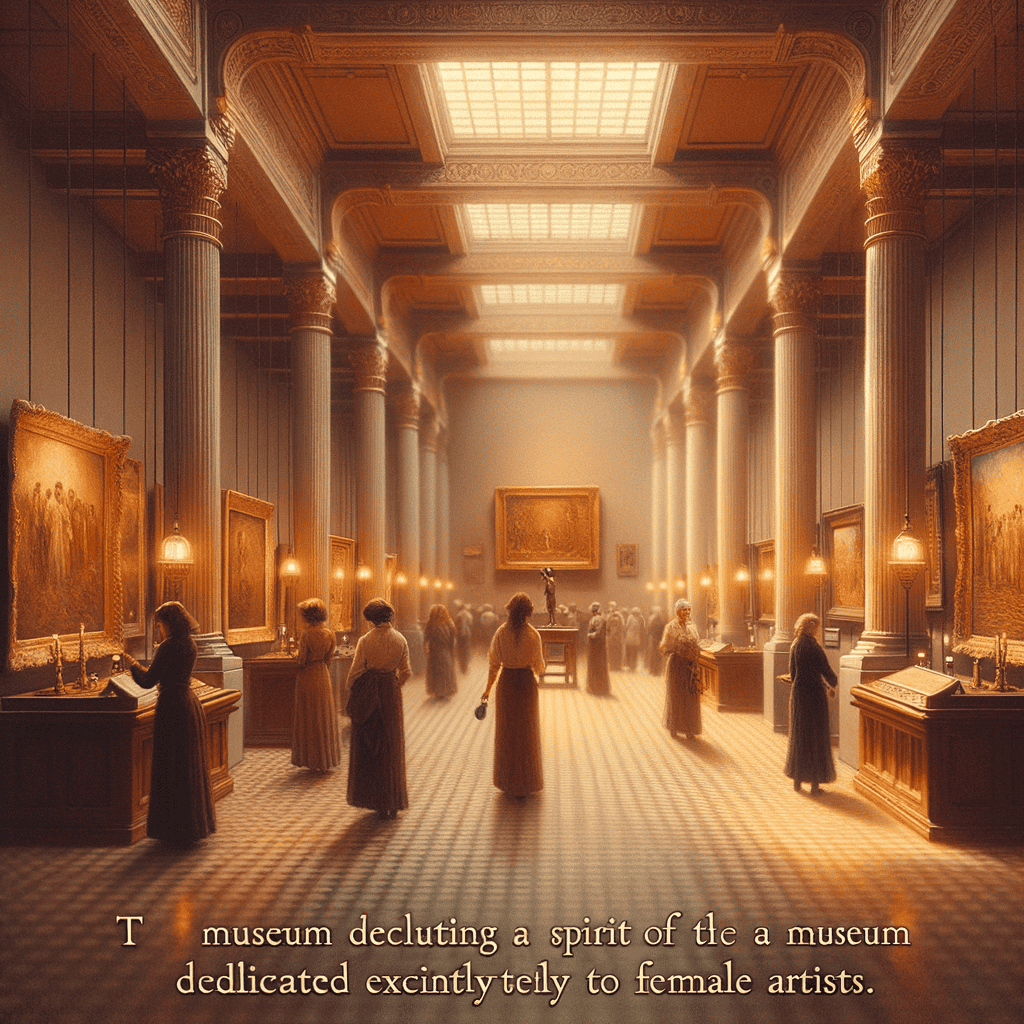
From a museum devoted entirely to women artists, spanning Frida Kahlo to Tracey Emin, to eccentric collections tucked into medieval streets and seaside towns, Europe is full of unsung museums quietly redefining what cultural travel can look like. We asked readers to share their favourites. Here are four that stand out—not just for their collections, but for the stories they tell and the experiences they offer.
1. A Museum Dedicated Entirely to Women Artists
“It’s dedicated exclusively to female artists, from Frida Kahlo to Tracey Emin,” one reader wrote—and that single sentence was enough to spark curiosity. Europe’s few museums devoted solely to women artists are still rare, which makes discovering one feel both powerful and overdue.
Unlike traditional galleries where women’s work is often relegated to a room or two, these spaces centre women’s creative voices across centuries and styles. Expect bold self-portraits, radical installations, deeply personal photography, and political works that challenge the canon. Seeing iconic names like Kahlo alongside contemporary artists creates a dynamic, living dialogue.
What makes these museums particularly special is their sense of purpose. They don’t just display art—they actively correct historical imbalances. The curatorial approach often highlights overlooked stories, explores themes of identity and resilience, and foregrounds artists who were dismissed in their own time.
Practical tips:
- Check for temporary exhibitions—many women-focused museums host rotating shows spotlighting emerging talent.
- Book tickets online in advance, especially during weekends or International Women’s Day events.
- Join a guided tour if available; docents often provide context about gender bias in art history that deepens the experience.
- Browse the museum shop—these tend to carry thoughtfully curated books and prints you won’t find elsewhere.
If you’re building a culture-themed European itinerary, adding a museum dedicated to women artists brings a refreshing and necessary perspective to your trip.
2. The House Museums That Feel Like Time Travel
Some of Europe’s most enchanting museums aren’t grand institutions—they’re former homes. Tucked along cobbled lanes or overlooking quiet canals, house museums preserve the daily lives of artists, writers, and collectors in intimate detail.
Readers rave about stepping into these preserved spaces and feeling as though the owner has just stepped out for a walk. Original furniture, personal letters, half-finished paintings, and worn bookshelves create a sense of immediacy that vast galleries can’t replicate.
Unlike major museums, which can be overwhelming, house museums encourage slow looking. You notice the light filtering through lace curtains. You see the scuffs on the studio floor. You imagine the conversations that once filled the rooms.
Whether it’s a Romantic poet’s retreat in Italy, a modernist designer’s apartment in Scandinavia, or an avant-garde painter’s townhouse in France, these spaces offer a human-scale connection to history.
Practical tips:
- Check opening hours carefully—many house museums close during winter or operate limited schedules.
- Arrive early; small rooms mean visitor numbers are often capped.
- Wear comfortable shoes—original staircases can be narrow and steep.
- Combine your visit with a neighbourhood stroll to fully absorb the atmosphere that inspired the resident artist.
For travellers who prefer authenticity over spectacle, house museums provide one of Europe’s most memorable cultural experiences.
3. Quirky, Single-Theme Museums That Surprise and Delight
Europe excels at niche obsessions—and its museums are proof. Readers highlighted tiny institutions devoted to everything from typography and perfume to maritime folklore and medical oddities.
What these museums lack in size, they make up for in passion. Often founded by collectors or local enthusiasts, they radiate personality. You’ll encounter curators who happily spend 20 minutes explaining the evolution of a particular craft or artifact.
These offbeat spaces are also fantastic conversation starters. Visiting a museum dedicated to, say, decorative fans or vintage packaging might not sound like a must-see on paper—but in practice, it’s a window into social history, design trends, and everyday life across centuries.
Because they’re less famous, these museums are usually blissfully uncrowded. You can linger, ask questions, and take your time without weaving through tour groups.
Practical tips:
- Search local tourism websites for “speciality museums” before your trip—you’ll often find hidden gems not listed in mainstream guides.
- Carry cash; smaller museums sometimes don’t accept cards.
- Plan for shorter visits—most can be explored in one to two hours.
- Pair them with a café stop nearby to turn your discovery into a relaxed afternoon.
Quirky museums remind us that culture isn’t only about masterpieces—it’s also about everyday creativity and collective memory.
4. Regional Art Museums Championing Local Talent
Step outside Europe’s capital cities and you’ll find regional art museums quietly doing extraordinary work. Readers repeatedly praised these smaller institutions for spotlighting local artists and offering a strong sense of place.
In coastal towns, you might see seascapes shaped by dramatic weather and maritime life. In post-industrial cities, contemporary galleries often explore themes of labour, migration, and renewal. Mountain regions may showcase folk traditions alongside cutting-edge installations.
These museums tend to be more experimental than their metropolitan counterparts. Without the pressure of blockbuster attendance numbers, curators can take risks—blending historical and contemporary works, commissioning site-specific pieces, or hosting community-driven exhibitions.
Another advantage? Accessibility. Tickets are usually affordable, queues are short, and staff are approachable. You’re not just another face in the crowd; you’re a guest.
Practical tips:
- Check if your ticket includes access to multiple local museums—many towns offer cultural passes.
- Look for evening openings or cultural nights, when exhibitions are paired with talks or performances.
- Ask staff for restaurant recommendations; regional museum teams often know the best local spots.
- Use regional trains to explore nearby towns with similar cultural institutions—it’s an easy way to build a themed itinerary.
Visiting regional museums doesn’t just diversify your travel experience—it supports local creative communities and keeps cultural ecosystems thriving.
Why Unsung Museums Matter More Than Ever
In an era of overtourism, choosing lesser-known museums is more than a clever travel hack—it’s a conscious decision. It spreads visitor impact, supports smaller institutions, and often results in richer, more personal encounters with art and history.
Whether you’re standing in a gallery dedicated exclusively to women artists, exploring a poet’s preserved bedroom, or chatting with a curator in a tiny specialty museum, these experiences feel intimate and authentic. They invite you to slow down, look closely, and rethink what a “must-see” really means.
So on your next European adventure, leave space in your itinerary for the unexpected. Seek out the overlooked. Follow reader recommendations. Wander into that small museum on the side street.
You might just discover that your favourite cultural experience isn’t the one on the postcard—but the one you almost missed.
Ready to plan your own museum-hopping journey? Start researching beyond the big names, build your route around passion and curiosity, and let Europe’s unsung museums surprise you. Your most inspiring travel story could be waiting behind an unassuming door.