


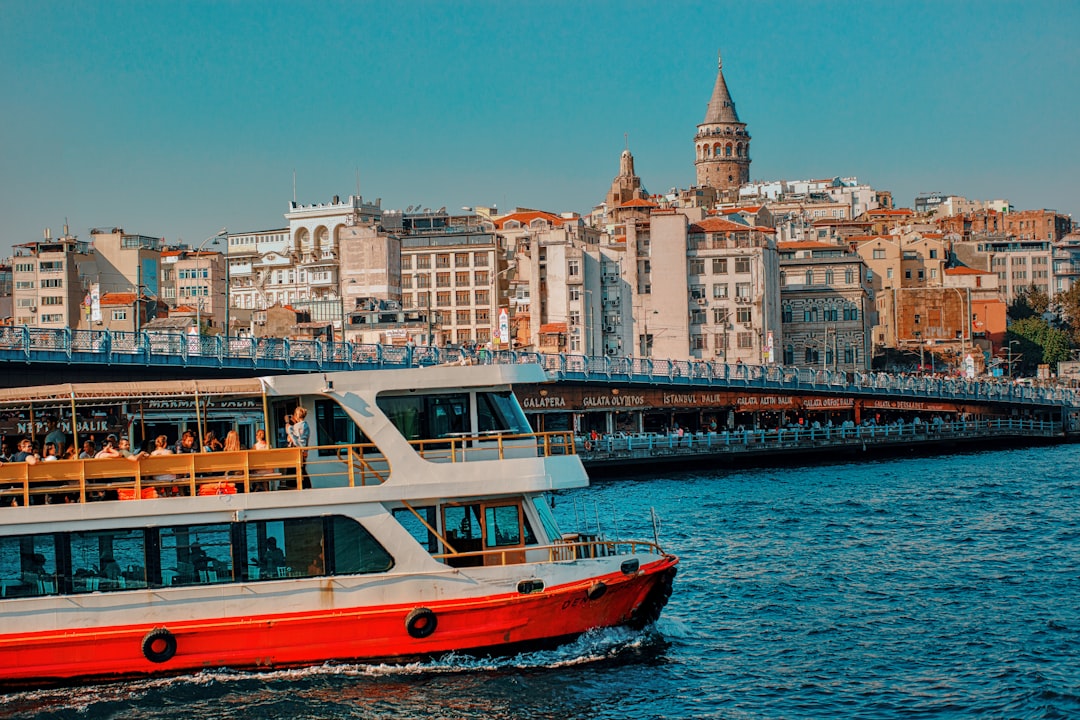
Is It Safe to Travel to Türkiye? The Latest Guidance for Americans
Türkiye has long captured travelers’ imaginations with its dazzling mix of East and West, ancient ruins, turquoise coastlines, bustling bazaars, and world-class cuisine. But if you’re an American planning a trip, you’re likely asking an important question first: Is it safe to travel to Türkiye right now?
The short answer: for most visitors, yes — with awareness and smart planning. Like many global destinations, Türkiye has regions that require extra caution, but the majority of tourist areas remain welcoming, vibrant, and accustomed to international visitors. In this guide, we break down the latest guidance for Americans, highlight regional considerations, and share practical tips so you can travel confidently and responsibly.
1. What the Latest U.S. Travel Advisory Says
The U.S. Department of State typically assigns Türkiye an overall advisory level that encourages travelers to exercise increased caution, mainly due to concerns about terrorism and regional instability near certain borders. Importantly, this advisory does not apply equally across the entire country.
Most of Türkiye’s major tourist destinations — including Istanbul, Cappadocia, Ephesus, Pamukkale, Bodrum, Antalya, and the Turquoise Coast — continue to welcome millions of visitors each year without incident.
However, the U.S. government generally advises Americans to avoid:
- Areas near the Syrian border in southeastern Türkiye
- Specific provinces with a history of cross-border conflict
These areas are far from typical tourist routes. If you’re planning a standard cultural or coastal itinerary, you are unlikely to come anywhere near them.
Practical Tip: Before departure, enroll in the Smart Traveler Enrollment Program (STEP). This allows the U.S. Embassy to contact you in case of emergencies and keeps you informed of security updates.
2. Safety in Major Tourist Destinations
For most American travelers, time in Türkiye revolves around iconic and well-policed tourist centers. Here’s what you can realistically expect in popular destinations:
Istanbul: A dynamic city of 16 million people, Istanbul feels similar to other global metropolises. Petty theft such as pickpocketing can occur in crowded areas like the Grand Bazaar or on public transportation. Violent crime against tourists is relatively rare.
Cappadocia: Known for its fairy chimneys and hot air balloon rides, Cappadocia is considered very safe, with tourism as a primary economic driver.
Mediterranean and Aegean Coasts: Resort towns like Antalya, Bodrum, and Fethiye are heavily tourism-focused and generally calm, particularly during peak season.
As in any country, situational awareness is key. Demonstrations occasionally occur in major cities and are best avoided, as they can escalate unexpectedly.
Practical Safety Tips:
- Keep valuables secure and avoid displaying large amounts of cash.
- Use registered taxis or reputable ride-hailing apps.
- Stay in well-reviewed accommodations in central areas.
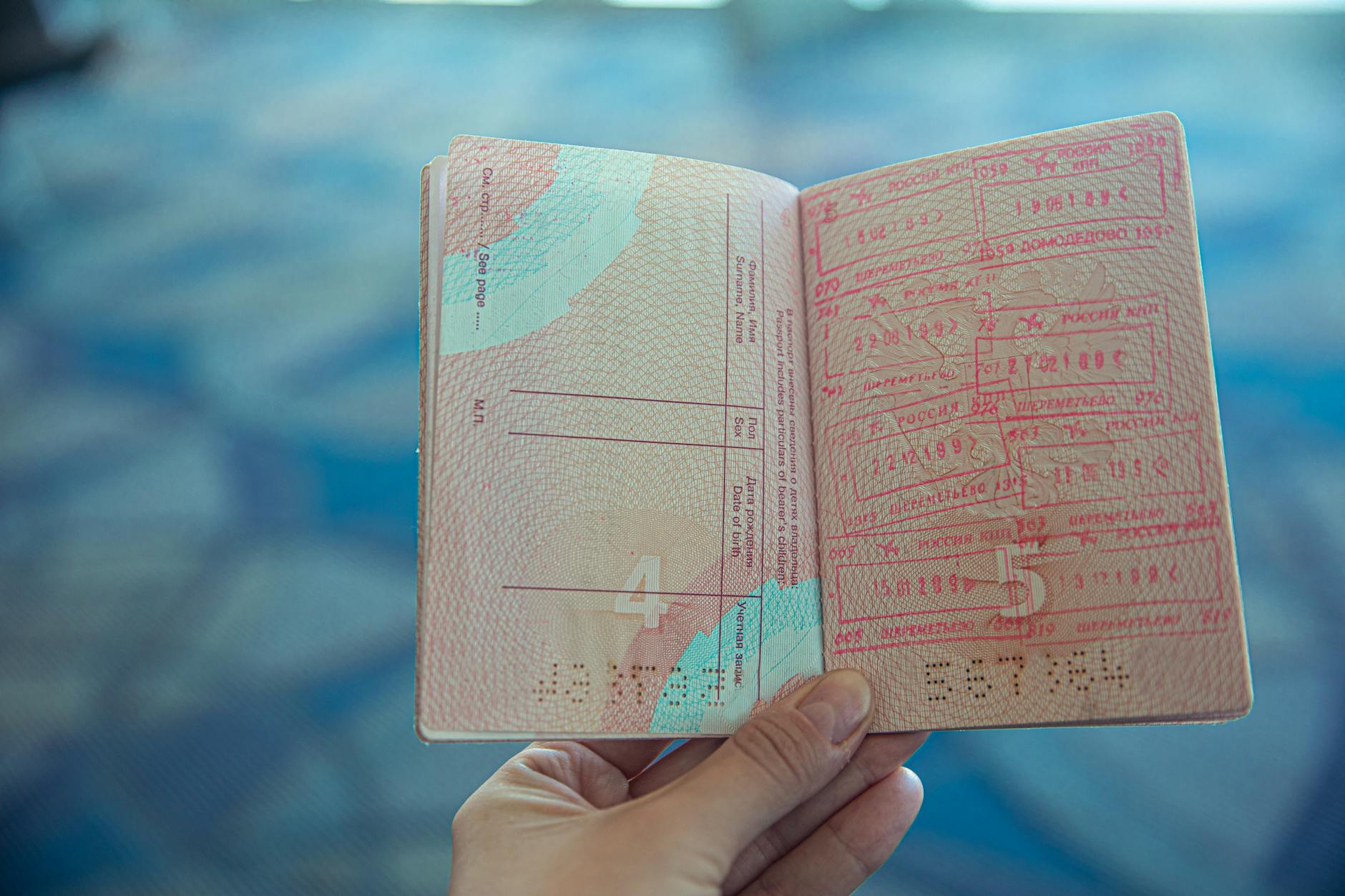
- Carry a copy of your passport and visa (digital and paper).
Overall, travelers who exercise common-sense precautions report feeling comfortable and welcomed.
3. Understanding Political and Regional Considerations
Türkiye sits at a geopolitical crossroads, which means regional events can influence perceptions of safety. While news headlines may sound alarming, they often relate to border areas or political developments that have little direct impact on tourist experiences.
It’s important to distinguish between:
- Border security issues (confined to specific southeastern provinces)
- Urban protests (occasional and typically localized)
- General tourism safety (stable in major destinations)
Natural events are also worth considering. Türkiye is in an active seismic zone, and earthquakes do occur. The country has strengthened building regulations in recent years, especially in major cities and tourist regions.
Smart Planning Advice:
- Purchase comprehensive travel insurance that covers medical emergencies and trip interruption.
- Review your hotel’s emergency procedures upon arrival.
- Monitor local news through English-language outlets during your stay.
In short, informed travelers who stay aware of their surroundings can mitigate most potential risks.
4. Health, Cultural Norms, and Everyday Practicalities
Beyond security concerns, Americans often wonder about health standards, cultural expectations, and daily logistics.
Healthcare: Major cities like Istanbul and Ankara have modern hospitals, including internationally accredited facilities. Pharmacies are widely available, and many pharmacists speak basic English.
Food and Water: Bottled water is recommended for drinking. Türkiye’s food scene is a highlight of any trip — from street-side simit to elaborate meze spreads — and food safety standards in established restaurants are generally reliable.
Cultural Awareness: Türkiye is a secular country with a predominantly Muslim population. In tourist areas, dress codes are relaxed. However, modest attire is recommended when visiting mosques (women should carry a scarf; both men and women should cover shoulders and knees).
Local Attitudes Toward Americans: American travelers are common in Türkiye, and hospitality is deeply rooted in the culture. Political disagreements at the government level rarely translate into negative treatment of individual visitors.
Everyday Tips for a Smooth Trip:
- Learn a few basic Turkish phrases — even a simple “Teşekkür ederim” (thank you) goes a long way.
- Use hotel safes for passports and extra cash.
- Avoid unofficial tour operators offering deals that seem too good to be true.
- Respect local customs during religious holidays like Ramadan.
When travelers approach Türkiye with cultural sensitivity and preparation, they often describe the experience as warm, enriching, and surprisingly easy to navigate.
So, Is It Safe to Travel to Türkiye?
For most Americans visiting well-known tourist destinations, Türkiye remains a rewarding and generally safe destination — provided you stay informed and exercise common travel precautions.
The regions flagged by U.S. authorities are specific and geographically limited. Meanwhile, the places that draw visitors from around the world — Istanbul’s architectural marvels, Cappadocia’s dreamlike landscapes, and the Mediterranean’s sun-soaked beaches — continue to thrive as global tourism hubs.
No international trip is entirely risk-free. But with travel insurance, awareness of your surroundings, respect for local customs, and up-to-date government guidance, you can explore Türkiye confidently.
Ready to plan your journey? Check the latest U.S. State Department advisory, enroll in STEP, secure comprehensive insurance, and start mapping out your adventure. From sipping Turkish tea along the Bosphorus to wandering through ancient Roman ruins, Türkiye offers experiences you simply won’t find anywhere else.
Travel smart, stay informed — and let Türkiye surprise you.