


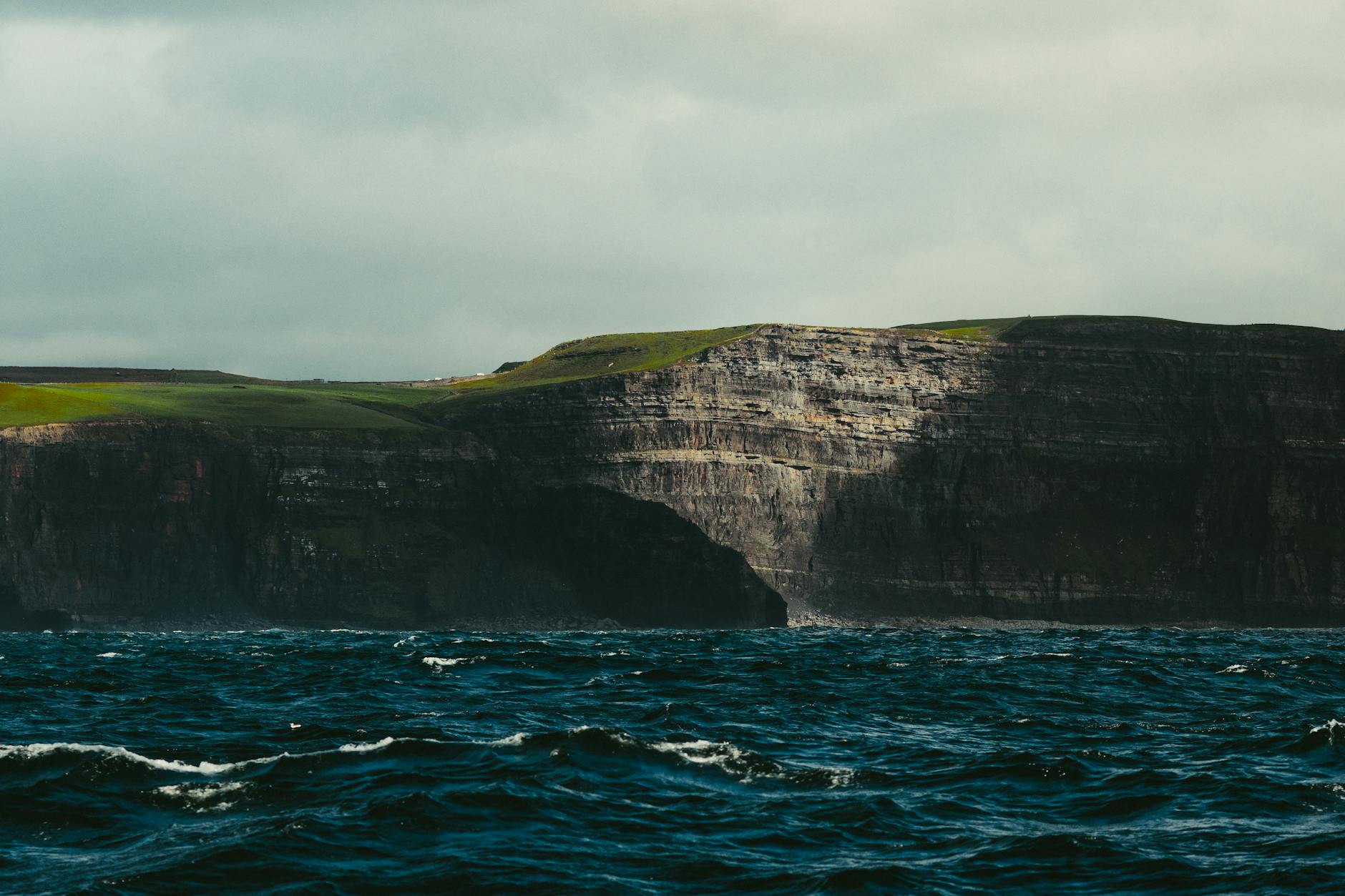
In Remote Western Ireland, Travel Moves at Its Own Pace
There are places in the world where time seems to loosen its grip. In remote western Ireland—where the Atlantic pounds against ancient cliffs and sheep outnumber cars—life unfolds at a rhythm dictated not by schedules, but by tides, weather, and conversation. This is a corner of Europe where you don’t rush through a checklist of attractions. Instead, you settle in, breathe deeper, and let the landscape and its people shape your days.
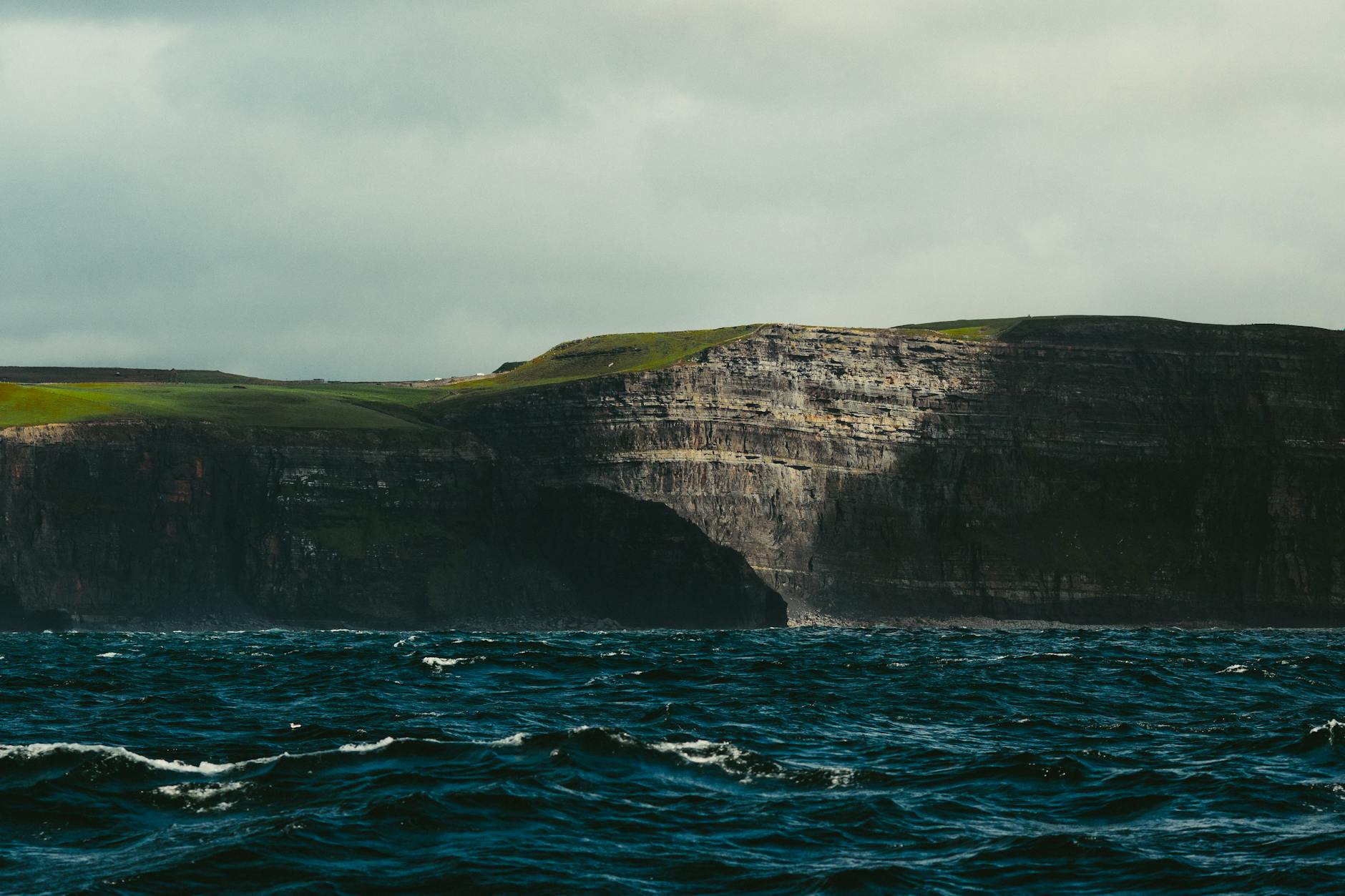
If you’re craving meaningful travel over hurried sightseeing, western Ireland offers a rare gift: the freedom to slow down. From the rugged shores of County Mayo to the stone-walled fields of Connemara and the windswept peninsulas of County Kerry, this region rewards patience. Here’s how to experience it fully—and practically—without missing what makes it magical.
1. Embrace the Journey, Not Just the Destination
In western Ireland, the road is often the highlight. Narrow, winding lanes hug dramatic cliffs, cut through bogland, and reveal sudden views of silver-blue ocean. You won’t find high-speed motorways dominating the landscape—and that’s exactly the point.
Drive the Wild Atlantic Way, but don’t treat it like a race. This 2,500-kilometer coastal route stretches from Donegal to Cork, and its western stretches are among the most remote and beautiful. Pull over often. Let faster cars pass. Stop at viewpoints that aren’t marked on any map.
Practical Tips:
- Rent a small car. Roads can be extremely narrow, especially on peninsulas like Dingle or in Connemara.
- Plan fewer stops per day. What looks like a 90-minute drive can take three hours with photo breaks and sheep crossings.
- Download offline maps. Mobile service can be unreliable in remote stretches.
- Drive during daylight. Unlit rural roads are challenging after dark.
By letting go of rigid timing, you’ll notice the subtle details: a lone cottage framed by fuchsia hedges, a rainbow sweeping across the Atlantic, or a roadside honesty box selling fresh brown bread. These moments define western Ireland far more than any single landmark.
2. Stay Local, Stay Longer
Western Ireland is not built around mega-resorts or high-rise hotels. Its soul lives in family-run B&Bs, small inns, and farm stays where hosts greet you by name and breakfast includes homemade soda bread and strong Irish tea.
Choosing locally owned accommodations doesn’t just support rural communities—it transforms your trip. Hosts often share insider tips you won’t find in guidebooks: the pub with the best trad session, the beach that’s empty at sunset, the scenic detour worth the extra 20 minutes.
Where to Base Yourself:
- Westport (County Mayo): A charming town with colorful shopfronts, traditional music, and access to Croagh Patrick and Achill Island.
- Clifden (Connemara): Ideal for exploring rugged mountains, boglands, and quiet Atlantic beaches.
- Dingle (County Kerry): Lively yet intimate, with a thriving arts scene and stunning coastal drives.
Practical Tips:
- Book at least two nights per stop. Constantly packing and unpacking disrupts the relaxed pace.
- Ask about breakfast times. Rural stays may have specific windows.
- Carry some cash. Smaller establishments or pubs may not always accept cards.
The longer you stay in one place, the more the rhythm of daily life reveals itself. You’ll start recognizing faces at the local café. You’ll adjust to slower service in pubs—where conversation matters more than speed. And gradually, you’ll feel less like a visitor and more like a participant in village life.
3. Let Nature Set the Schedule
In remote western Ireland, the weather is not a minor detail—it’s the main character. Sun, mist, wind, and rain can cycle through in a single afternoon. Instead of fighting it, lean into it.
Clouds rolling over the Twelve Bens mountains create a moody drama that’s just as beautiful as a clear blue sky. A rainy morning is the perfect excuse to linger in a café, explore a small heritage museum, or chat with locals in a pub. When the sun breaks through, drop everything and head outdoors.
Unmissable Outdoor Experiences:
- The Cliffs of Moher (County Clare): Go early or late to avoid crowds and catch softer light.
- Achill Island (County Mayo): Vast beaches and Atlantic views with far fewer visitors than you’d expect.
- Connemara National Park: Hike Diamond Hill for panoramic views over mountains and sea.
- The Skellig Ring (County Kerry): A quieter alternative to the Ring of Kerry, with breathtaking coastal scenery.
Practical Tips:
- Dress in layers. Waterproof outerwear is essential year-round.
- Wear sturdy footwear. Trails can be muddy and uneven.
- Check tide times. Some beaches and island walks are tide-dependent.
- Start hikes early. Weather is often calmer in the morning.
Nature here isn’t curated—it’s raw and unpredictable. That unpredictability is what makes every visit feel personal. The view you get might be entirely different from the one in a brochure, and that’s part of its magic.
4. Connect Through Conversation and Culture
What truly slows time in western Ireland isn’t just the landscape—it’s the people. Conversations stretch easily, whether you’re sitting beside a peat fire in a rural pub or chatting with a shopkeeper about the day’s weather.
Traditional Irish music sessions—often spontaneous—are central to community life. In towns like Doolin, Dingle, or Westport, musicians gather in the evenings, filling small pubs with fiddles, bodhráns, and haunting vocals. There’s no stage, no spotlight—just shared experience.
Gaelic (Irish) is still spoken in parts of Connemara and the Aran Islands. Road signs appear in Irish first, English second. Even if you don’t understand the language, hearing it spoken adds depth to your sense of place.
Ways to Engage More Deeply:
- Attend a local music session. Arrive early, order a drink, and stay awhile.
- Visit a farmers’ market. You’ll find artisan cheeses, smoked salmon, and handmade crafts.
- Take a guided walk. Local guides share folklore, history, and stories tied to the land.
- Learn a few Irish phrases. Even a simple “Go raibh maith agat” (thank you) is appreciated.
Practical Tips:
- Be patient in pubs and shops. Service may be slower—but warmer.
- Respect rural life. Close farm gates, don’t block narrow roads, and follow hiking etiquette.
- Engage, don’t just observe. A friendly question can open a memorable conversation.
In a hyper-connected world, western Ireland feels refreshingly grounded. You may find yourself putting your phone away more often—not because you have to, but because you want to be present.
Conclusion: Slow Down and Let Ireland Lead
Remote western Ireland isn’t a destination you conquer—it’s one you surrender to. Its power lies not in grand gestures, but in subtle shifts: the hush before a storm rolls in, the warmth of a pub after a blustery walk, the way twilight lingers over the Atlantic.
If you’re willing to trade packed itineraries for open-ended days, you’ll discover something rare. Travel becomes less about checking sights off a list and more about how a place makes you feel. And in western Ireland, you’ll feel grounded, welcomed, and gently reminded that not everything needs to move fast.
So take the longer road. Stay an extra night. Order another cup of tea. In remote western Ireland, the best experiences happen when you allow travel to move at its own pace.
Ready to plan your slow-travel escape? Start mapping your journey along the Wild Atlantic Way, choose a small town as your base, and give yourself the freedom to linger. Western Ireland is waiting—no rush required.