


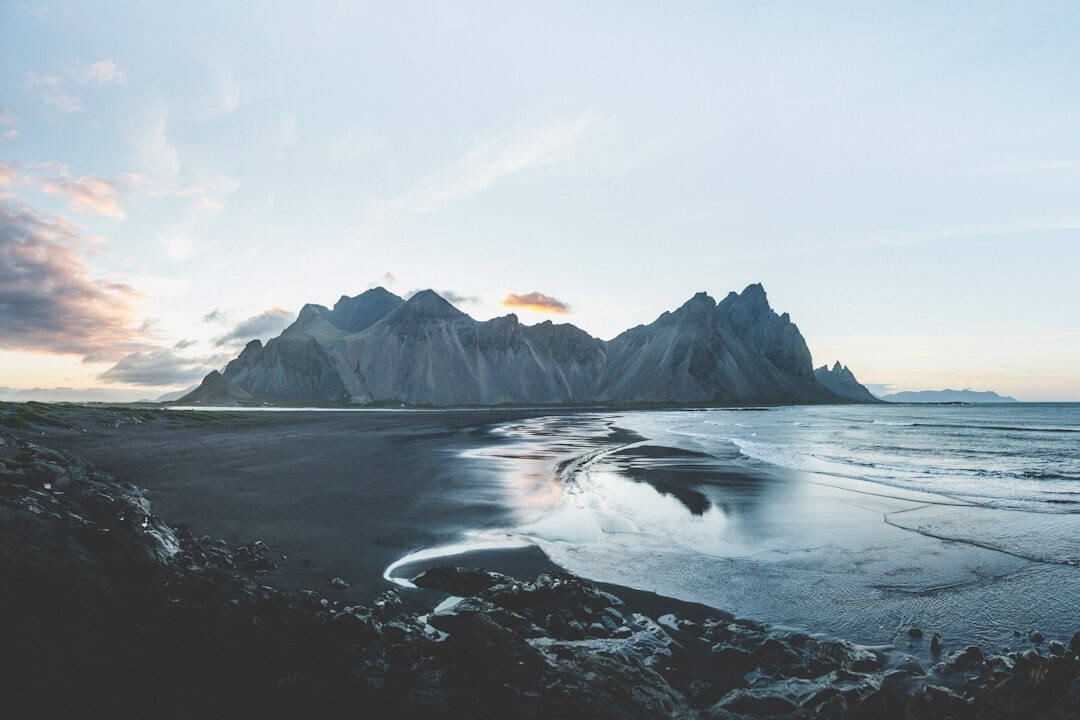
Iceland’s South Coast in Spring 2026: 8 Waterfalls and Scenic Stops You Can’t Miss
I drove Iceland’s South Coast in late April, just as winter was loosening its grip but before the full summer crowds arrived. Snow still capped the mountains, lupins hadn’t bloomed yet, and the waterfalls were absolutely raging from snowmelt. It’s hands-down my favorite time to do this route.
The stretch from Reykjavík to Vík (about 180 km / 112 miles) is one of the most scenic road trips in Europe. In spring 2026, expect longer daylight (14–18 hours by May), manageable tourist traffic, and better accommodation prices than peak July.
Key Takeaways
- The South Coast from Reykjavík to Vík is 180 km (112 miles) and best done over 2 days.
- Spring (April–May 2026) brings fewer crowds, strong waterfalls, and 14–18 hours of daylight.
- Parking at major waterfalls costs 750–1,000 ISK ($5–7) per stop.
- A 2WD rental car is usually sufficient in spring; expect $70–120/day.
- Budget $120–180 per night for mid-range guesthouses along the route.
How to Plan Your South Coast Road Trip (2-Day Route)
I recommend taking two full days, even though you could rush it in one. The beauty of Iceland is in the slow stops — the random pull-offs, the weather shifts, the moments when light hits the cliffs just right.
Here are the 8 waterfalls and scenic stops I think are absolutely worth your time — and one I’d skip if you’re short on it.
1. Seljalandsfoss – Walk Behind the Waterfall
Distance from Reykjavík: 120 km (1 hour 45 minutes).
This is the famous one you can walk behind — and yes, it’s touristy. But it’s touristy for a reason.
In spring, the surrounding cliffs are streaked with snow, and the 60-meter drop feels even more dramatic. Bring waterproof pants. You will get soaked.
Parking costs around 800 ISK ($6). Go before 9 a.m. or after 6 p.m. to avoid bus groups.
2. Gljúfrabúi – The Hidden Waterfall Next Door
Two minutes’ walk from Seljalandsfoss is Gljúfrabúi — and somehow half the visitors miss it.
You step through a narrow canyon stream to see a waterfall hidden inside a mossy cavern. In April, chunks of ice sometimes cling to the rocks. It feels secret, even though it isn’t.
Wear waterproof boots. Sneakers will ruin your mood fast.
3. Skógafoss – Raw Power
Another 30 minutes east sits Skógafoss, a 60-meter-wide wall of water that looks like something out of a fantasy film.
On sunny spring afternoons, double rainbows are common. Climb the 527 steps to the viewing platform for a sweeping view of the South Coast plains.
This is one of the few stops where I recommend lingering. The hiking trail beyond the stairs leads toward the Fimmvörðuháls route if you want to stretch your legs for an hour.
4. Kvernufoss – The One Most Tourists Skip
Park at the Skógar Museum (free) and walk 15–20 minutes to Kvernufoss.
You can also walk behind this waterfall — but with maybe 10% of the crowd at Seljalandsfoss. In spring, the surrounding grass starts turning green while snow lingers above. It’s wildly photogenic.
If you’re choosing between packed and peaceful, this is your move.
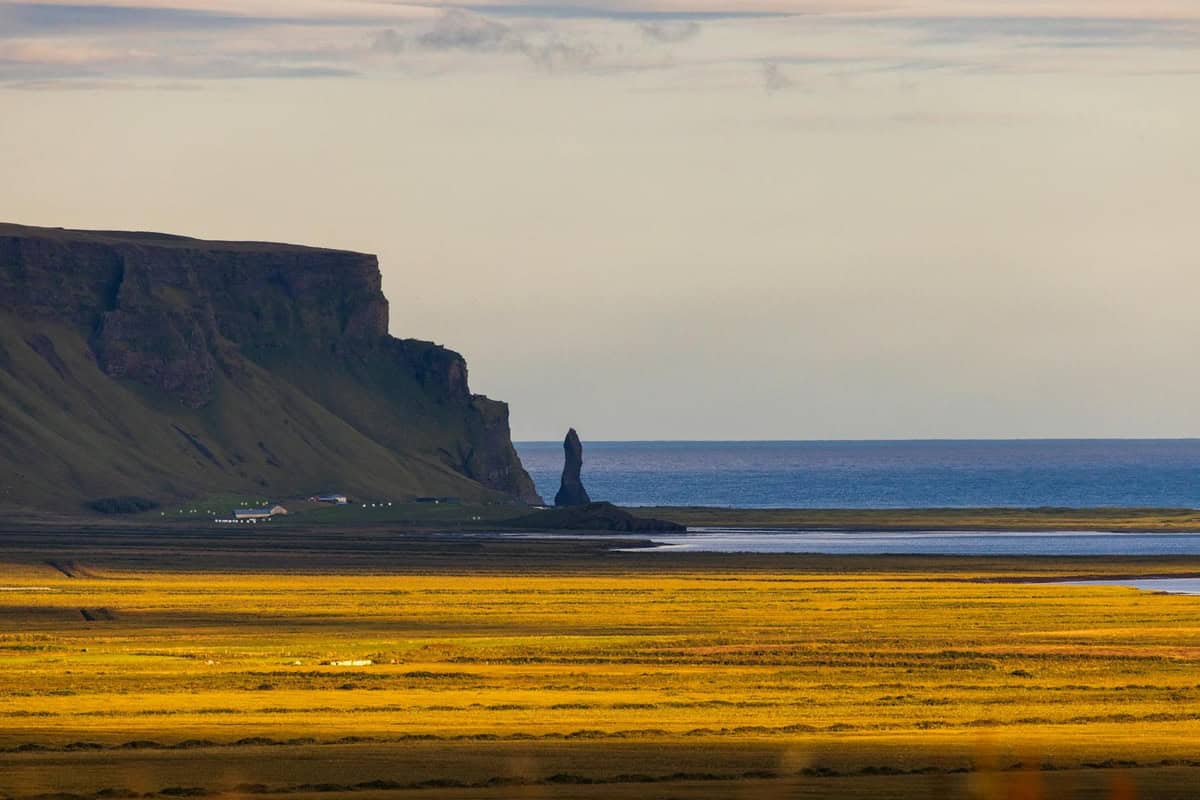
5. Sólheimajökull Glacier – Ice Without the Crowds of Skaftafell
Detour 15 minutes off Route 1 to reach this glacier tongue.
You can walk to the glacier viewpoint for free (about 45 minutes round-trip), or book a guided glacier hike for 13,000–18,000 ISK ($95–130). In spring, conditions are generally stable, but always go with a certified guide if stepping onto the ice.
The mix of black volcanic ash and blue ice feels almost alien — comparable in drama to volcanic landscapes I’ve explored in places like Rotorua’s geothermal trails, but colder and more cinematic.
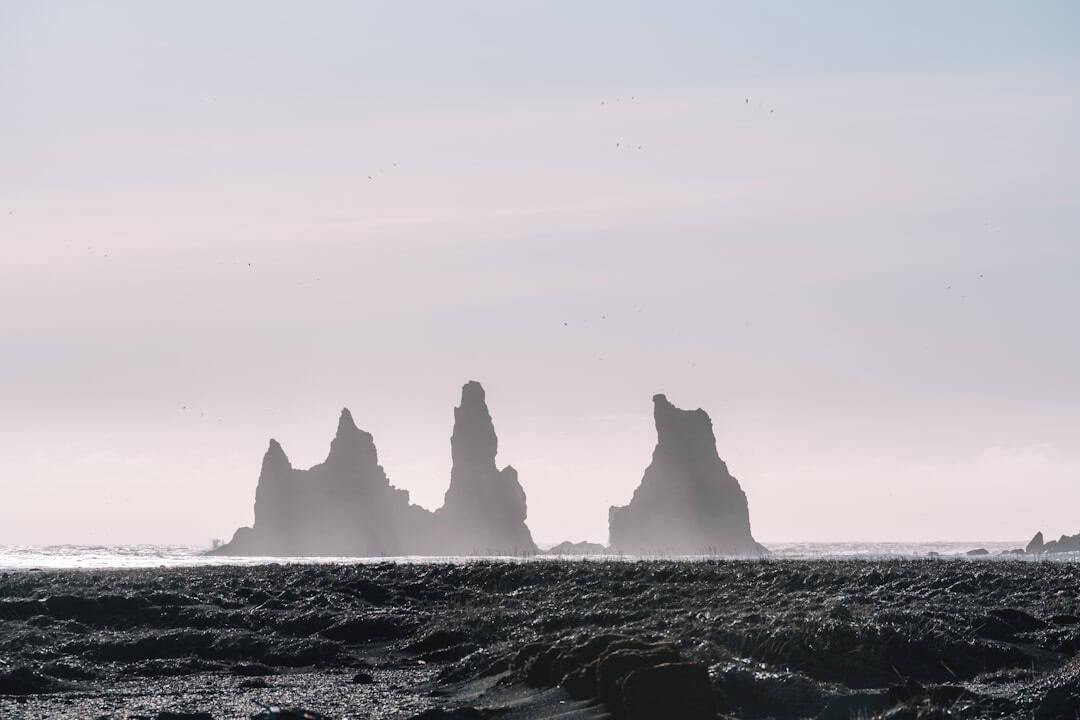
6. Reynisfjara Black Sand Beach – Dramatic and Dangerous
Just before Vík lies Iceland’s most famous black sand beach.
The basalt columns are stunning. The Atlantic waves are not your friend.
Sneaker waves here are deadly. Stay far back from the waterline and never turn your back on the ocean. I’ve seen tourists get terrifyingly close for Instagram shots — it’s not worth it.
Parking: about 1,000 ISK ($7). Visit near sunset for moody skies and fewer tour buses.
7. Dyrhólaey Peninsula – Puffins and Clifftop Views
Five minutes from Reynisfjara is Dyrhólaey.
In late April and May, puffins start nesting on the cliffs. Bring a zoom lens if photography matters to you. Even without puffins, the elevated views over the black sand coastline are spectacular.
The upper parking lot sometimes closes in bad weather, so check road conditions on road.is before heading up.
8. Fjaðrárgljúfur Canyon – Worth the Extra Drive
This one is farther east (about 1 hour past Vík), but if you have time, go.
The winding green canyon looks almost artificial in its perfection. Spring meltwater makes the river below especially vivid.
There’s a clearly marked walking path along the edge — stay on it. Iceland takes conservation seriously, and fines for going off-trail are steep.
Where to Eat and Sleep Along the South Coast
Food in this region is simple and expensive — plan accordingly.
In Vík, I like Smidjan Brugghús for solid burgers (around 3,500 ISK / $25) and local beer. For something lighter, grab soup and bread at The Soup Company (about 2,500 ISK / $18).
For accommodation in spring 2026:
- Guesthouse double room: 18,000–25,000 ISK ($130–180)
- Mid-range hotel: 25,000–35,000 ISK ($180–250)
- Camper van rental: from $120/day
Book at least 6–8 weeks ahead for May 2026. Even shoulder season fills up fast now.
Practical Tips for Spring 2026
- Check weather daily. Conditions change hourly. Use vedur.is.
- Download offline maps. Signal drops in rural stretches.
- Fuel up early. Gas stations thin out past Selfoss.
- Pack layers. 3–10°C (37–50°F) is typical in April.
- Bring crampons. Trails can still be icy in early spring.
If packing stresses you out, I recently tested a smart packing assistant app that makes cold-weather layering much easier — especially for unpredictable climates like Iceland.
When Is the Best Time in Spring to Go?
Late April to mid-May 2026 is the sweet spot.
You’ll get powerful waterfalls from melting snow, fewer tour buses than summer, and enough daylight to explore without rushing. By late May, puffins are reliably visible, and the landscape starts turning vividly green.
Early April can still feel very wintery. Beautiful, yes — but expect more ice and occasional road closures.
What I’d Skip If You’re Short on Time
If you only have one long day, skip Fjaðrárgljúfur and focus on Seljalandsfoss through Dyrhólaey.
Also, don’t overload your itinerary with every minor roadside waterfall. The magic of Iceland’s South Coast is in slowing down, not checklist-chasing.
Final Thoughts: Is Iceland’s South Coast Worth It in Spring?
Absolutely — and I’d argue it’s better than summer.
You’ll get roaring waterfalls, moody skies, manageable prices, and space to breathe. Two days along this stretch will give you some of the most dramatic landscapes in Europe without needing extreme hikes or complicated logistics.
If you’re planning a 2026 Iceland trip, put the South Coast at the top of your list — and give it the time it deserves.
Want more smart travel guides with practical tech tips? Explore more in-depth destination breakdowns on Distratech and plan your next trip like a pro.
Frequently Asked Questions
How long do you need for Iceland’s South Coast?
Ideally 2 days from Reykjavík to Vík and back. You can do it in 1 long day, but you’ll rush the major waterfalls and miss smaller scenic stops.
Is spring a good time to visit Iceland’s South Coast?
Yes — April and May offer fewer crowds, strong waterfalls from snowmelt, and 14–18 hours of daylight. Expect temperatures between 3–10°C (37–50°F).
How much does it cost to drive the South Coast?
Budget $70–120 per day for a rental car, $5–7 per waterfall parking lot, and $130–250 per night for accommodation. Fuel for the route typically costs $30–50 round trip.
Is Reynisfjara Beach dangerous?
Yes. Sneaker waves are unpredictable and have caused fatalities. Stay well back from the water and never turn your back on the ocean.