


“I Have the Island to Myself”: How to Be a Castaway in Cornwall
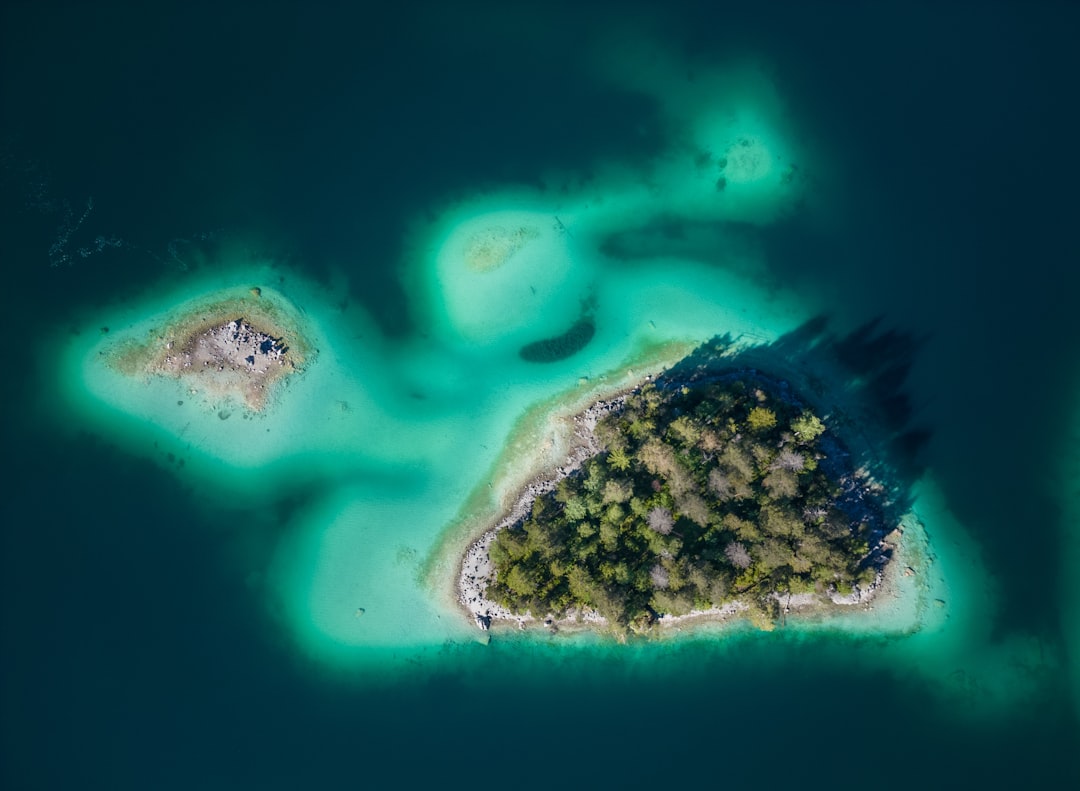
There’s a moment, just after the boat pulls away, when the engine noise fades and the mainland becomes a distant green smudge on the horizon. The gulls wheel overhead, the wind carries the scent of salt and sea thrift, and you realise something extraordinary: you have the island to yourself. In Cornwall, this isn’t a fantasy from a shipwreck novel — it’s a very real, very achievable adventure.
If you’ve ever dreamed of playing castaway without giving up hot showers and good coffee, Cornwall offers the perfect balance of wild isolation and low-key comfort. From tidal islands and secret coves to off-grid cabins with Atlantic views, here’s how to create your own castaway experience on England’s rugged southwestern edge.
1. Choose Your Island: From Tidal Escapes to Wild Archipelagos
Cornwall’s coastline is dotted with islands, each offering a different flavour of solitude. The key to feeling like a true castaway is choosing the right setting for your comfort level — and your sense of adventure.
St Michael’s Mount, near Marazion, is the most iconic. At low tide, you can walk across the ancient cobbled causeway; at high tide, you’ll need a boat. Stay after the day-trippers leave, and the atmosphere changes entirely. The harbour quiets, the castle looms dramatically above, and you’ll feel as though you’ve stepped into another century.
For a more remote experience, look to the Isles of Scilly, 28 miles off the Cornish coast. With white-sand beaches, turquoise water, and fewer crowds than most Mediterranean hotspots, islands like St Agnes and Bryher offer genuine seclusion. Rent a cottage or stay in a small guesthouse, and you’ll have entire stretches of beach to yourself at sunrise.
If you want something even wilder, explore smaller tidal islands such as Looe Island (a nature reserve) or seek out off-grid stays on private coastal headlands that feel like islands at high tide.
Practical tips:
- Check tide times carefully if visiting tidal islands — access windows can be short.
- Book boat transfers in advance during summer months.
- Travel in shoulder season (May, June, September) for maximum solitude.
- Pack light but waterproof — Cornish weather changes quickly.
2. Stay Somewhere That Feels Deliciously Remote
To truly say “I have the island to myself,” where you sleep matters. Cornwall excels at unique, semi-off-grid accommodation that blends comfort with isolation.
On the Isles of Scilly, you’ll find whitewashed cottages perched above empty bays. On the mainland, there are shepherd’s huts on cliff edges, eco-cabins accessible only by footpath, and converted fishermen’s stores overlooking hidden coves.
Look for properties that offer:
- No immediate neighbours (or at least none in sight)
- Sea views and private beach access
- Limited or no Wi-Fi (if you dare)
- Wood-burning stoves for cosy evenings
One of the most magical castaway moments is stepping outside at night. With minimal light pollution, the Cornish sky can explode with stars. On smaller islands or remote peninsulas, you’ll hear nothing but the wind and waves.
Pro tip: Bring simple, indulgent supplies — fresh bread, local cheese, Cornish sea salt butter, and a bottle of wine. Cooking a basic meal while watching the tide roll in is far more satisfying than any restaurant booking.
3. Embrace the Elements (Safely)
Part of the castaway fantasy is reconnecting with nature — swimming in clear water, scrambling over rocks, and letting your hair dry in the sea breeze. Cornwall’s coastline is perfect for this, but the Atlantic deserves respect.
Wild swimming is one of the most rewarding experiences. Seek out sheltered coves with calm conditions, especially on the Isles of Scilly where the water can be surprisingly clear and calm. Early morning swims are particularly magical — you may genuinely have the entire beach to yourself.
Kayaking or paddleboarding around your chosen island adds another dimension. Seeing the cliffs from sea level makes you feel wonderfully small in the best possible way.
Safety essentials:
- Check local weather and sea conditions before swimming or paddling.
- Be aware of rip currents on Atlantic-facing beaches.
- Tell someone your plans if exploring remote areas.
- Carry a fully charged phone in a waterproof pouch.
And remember: being a castaway is about freedom, not recklessness. Respect wildlife, follow local conservation rules, and leave no trace behind.
4. Slow Down and Create Your Own Island Rituals
The real secret to feeling like you have the island to yourself isn’t just geography — it’s mindset. Cornwall invites you to slow down in ways modern life rarely allows.
Start your day with a sunrise walk. Even in summer, you’ll often find empty beaches before 8am. Watch fishing boats on the horizon, collect shells, or simply sit and listen.
Bring a book you’ve been meaning to read for months. Sketch the coastline. Journal. Forage (responsibly) for samphire or blackberries in season. Brew coffee outdoors and drink it wrapped in a blanket as the tide creeps in.
Digital detoxing amplifies the experience. When you’re not checking notifications, you notice more: the changing colour of the sea, the patterns in the rock pools, the rhythm of the tides.
Ways to deepen your castaway experience:
- Plan meals around local produce from Cornish farm shops.
- Time beach visits with the tides to discover hidden caves.
- Learn basic tide-reading skills for confidence and safety.
- Spend one full day without looking at your phone.
By the end of your stay, you’ll likely find that the greatest luxury wasn’t isolation itself, but the clarity that came with it.
5. When to Go for Maximum Solitude
If your goal is to truly feel alone on your Cornish island, timing is everything.
July and August bring warm weather but also school holidays and busier ferry routes. For the ultimate castaway vibe, consider late spring or early autumn. In May and June, wildflowers blanket the cliffs and the sea begins to warm. In September, the crowds thin but the water often retains its summer heat.
Winter, while dramatic and beautiful, is for the more adventurous traveller. Storm-watching from a cliffside cabin can be exhilarating — but expect limited boat access and shorter daylight hours.
Quick seasonal guide:
- Spring: Blooming landscapes, fewer visitors, cool swims.
- Summer: Best weather, livelier atmosphere, book early.
- Autumn: Warm sea, golden light, peaceful beaches.
- Winter: Wild storms, total solitude, cosy indoor moments.
No matter the season, Cornwall’s islands and coastal hideaways offer that rare sense of stepping outside everyday life.
Conclusion: Your Castaway Story Starts Here
You don’t need to cross oceans or survive a shipwreck to live out your castaway dream. In Cornwall, solitude is just a ferry ride — or even a low-tide walk — away. Whether you choose the subtropical beauty of the Isles of Scilly, the storybook drama of St Michael’s Mount, or a hidden cliffside cabin on the mainland, the magic lies in the simplicity.
Stand on your stretch of sand as the sun sinks into the Atlantic, and you might just whisper it to yourself: “I have the island to myself.”
Ready to plan your escape? Start checking tide times, pack your waterproofs, and book that boat. Your Cornish castaway adventure is closer than you think.