


How the Beaches, Culture and People of Corfu Hit Me for Six
I thought I knew what to expect from Corfu. Turquoise water. Whitewashed buildings. A few postcard sunsets. What I didn’t expect was to be completely bowled over. From the moment my plane dipped over the Ionian Sea, Corfu didn’t just impress me — it hit me for six. The beaches stunned me, the culture fascinated me, and the people? They redefined Greek hospitality in ways I’m still thinking about.
If you’re wondering whether Corfu is worth adding to your travel list, let me walk you through exactly why this Ionian island left such a mark — and how you can make the most of it too.
1. Beaches That Redefine “Blue”
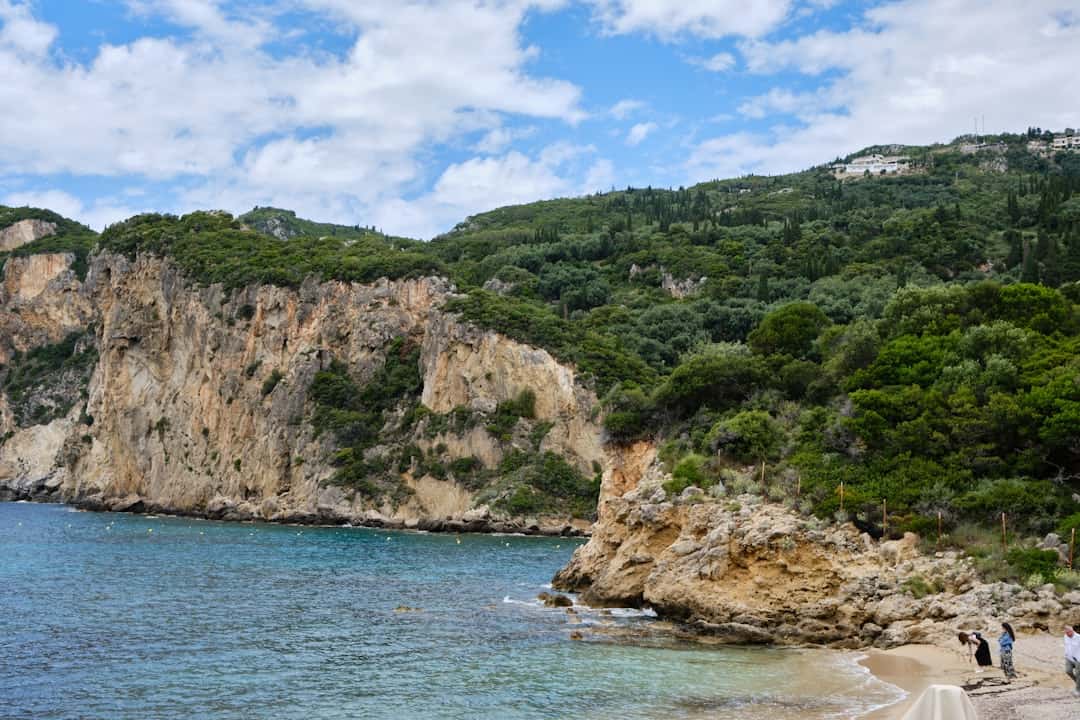
I’ve seen beautiful beaches before. But Corfu’s coastline feels almost theatrical — dramatic cliffs plunging into electric-blue water, hidden coves you reach by boat, and long sandy stretches perfect for slow afternoons.
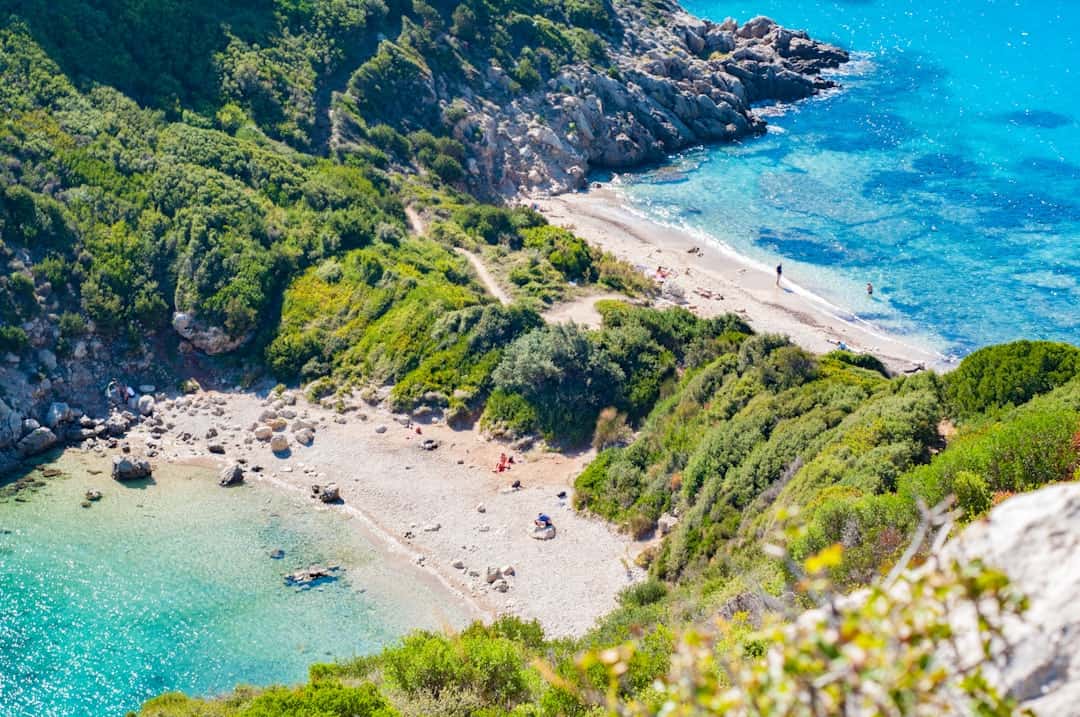
Paleokastritsa was my first “wow” moment. The water there is so clear it feels filtered. Swim out a few metres and you can still see the seabed below you. Then there’s Porto Timoni, a double beach separated by a narrow strip of land — wild, rugged, unforgettable.
On the west coast, the sunsets at Glyfada Beach are pure magic. Golden light spills across the cliffs while the sea turns molten orange. It’s the kind of place where time simply stops.
Practical Tips for Corfu’s Beaches:
- Rent a car: The best beaches are scattered around the island and often require winding hill roads to reach.
- Arrive early in peak season: July and August get busy. Aim for before 10am for the best spots.
- Bring water shoes: Many beaches are pebbly, and they’ll save your feet.
- Consider a boat rental: Hiring a small boat (no license needed for many) lets you discover hidden coves inaccessible by road.
Corfu’s beaches aren’t just beautiful — they’re diverse. Each day felt like discovering a different island.
2. A Culture Layered With History
Corfu isn’t just another Greek island. It has a personality shaped by centuries of Venetian, French, and British rule. You feel this immediately when you wander through Corfu Old Town — a UNESCO World Heritage Site.
The pastel buildings, narrow cobbled alleys (called kantounia), and elegant arcades look more Italian than Greek. The Liston promenade could easily be in Paris. And yet, Greek traditions pulse through everything — from church bells ringing on Sunday morning to families gathering for long lunches.
One afternoon, I climbed up to the Old Fortress. The views stretched across terracotta rooftops and into Albania beyond. Standing there, you realise Corfu has always been strategically important — and endlessly fascinating.
Food, too, tells the story of the island’s cultural blend. Dishes like sofrito (veal in white wine sauce) and pastitsada (spiced meat with pasta) carry Venetian influence but are deeply rooted in local tradition.
Practical Tips for Exploring Corfu’s Culture:
- Stay in Old Town at least one night: When day-trippers leave, the atmosphere becomes magical.
- Visit a local museum: The Museum of Asian Art is surprisingly impressive and unique in Greece.
- Time your visit around Easter: Corfu’s Easter celebrations are among the most spectacular in Greece.
- Take a walking tour: A local guide will reveal stories you’d never discover on your own.
Corfu’s culture isn’t something you just observe — it’s something you feel in the architecture, taste in the food, and hear in the music drifting through the streets at night.
3. The People Who Make You Feel at Home
Beautiful scenery draws you in. People make you want to stay.
From the taverna owner who insisted I try his mother’s homemade limoncello, to the elderly woman who helped me find a hidden chapel down a maze of alleys, Corfiots have a warmth that feels genuine, not transactional.
One evening in a small mountain village, I found myself invited to join a local family’s celebration after simply asking for directions. Plates kept appearing. Glasses were refilled. Laughter echoed long into the night. No agenda. Just generosity.
Corfu thrives on filoxenia — the ancient Greek concept of hospitality. And here, it’s alive and well.
Practical Tips for Connecting With Locals:
- Learn a few Greek phrases: Even a simple “Kalimera” (good morning) goes a long way.
- Eat at family-run tavernas: Skip international chains and look for places filled with locals.
- Visit inland villages: Places like Lakones or Pelekas offer a glimpse of authentic island life.
- Slow down: Corfu runs on island time. Embrace it.
In a world where many destinations feel over-commercialised, Corfu still feels personal.
4. Landscapes That Surprise at Every Turn
If you imagine Corfu as just beaches, you’re missing half the story. The island’s interior is lush and green — more so than many other Greek islands — thanks to its unique climate.
Driving through olive groves that have stood for centuries, hiking up Mount Pantokrator (the island’s highest peak), or watching the coastline twist and curve from a cliffside viewpoint — these moments add depth to the experience.
One of my favourite discoveries was Angelokastro, a dramatic Byzantine castle perched high above the sea. The climb up is steep, but the panoramic views are worth every step.
Corfu also offers incredible day trips. A short boat ride takes you to Paxos and Antipaxos, where the water looks almost Caribbean. Or head north and gaze across to Albania — so close it feels like you could swim there.
Practical Tips for Exploring Beyond the Beach:
- Rent a scooter or car: Public transport is limited for remote spots.
- Pack hiking shoes: Many viewpoints require short but steep walks.
- Plan a boat excursion: Group tours are affordable, but private rentals offer more flexibility.
- Travel in shoulder season: May, June, and September offer ideal weather with fewer crowds.
Corfu constantly surprised me. Just when I thought I’d seen its best side, it revealed another.
Why Corfu Stays With You
Some destinations are beautiful. Others are interesting. A rare few change how you feel while you’re there. Corfu belongs firmly in that last category.
It’s the way the sea shifts colour throughout the day. The way history lingers in the air of Old Town. The way strangers treat you like family. It’s the balance between relaxation and discovery.
Corfu hit me for six because it delivered more than I expected — more beauty, more depth, more connection.
If you’re searching for a Greek island that combines spectacular beaches, rich culture, and heartfelt hospitality, Corfu might just do the same to you.
Ready to experience it for yourself? Start planning your Corfu adventure, book that flight, and give yourself time to explore beyond the obvious. Trust me — this island doesn’t just meet expectations. It exceeds them.