


How Craft Shaped Our Journey Through Rajasthan as a Family of Five
We didn’t go to Rajasthan just to see palaces. We went to feel something.
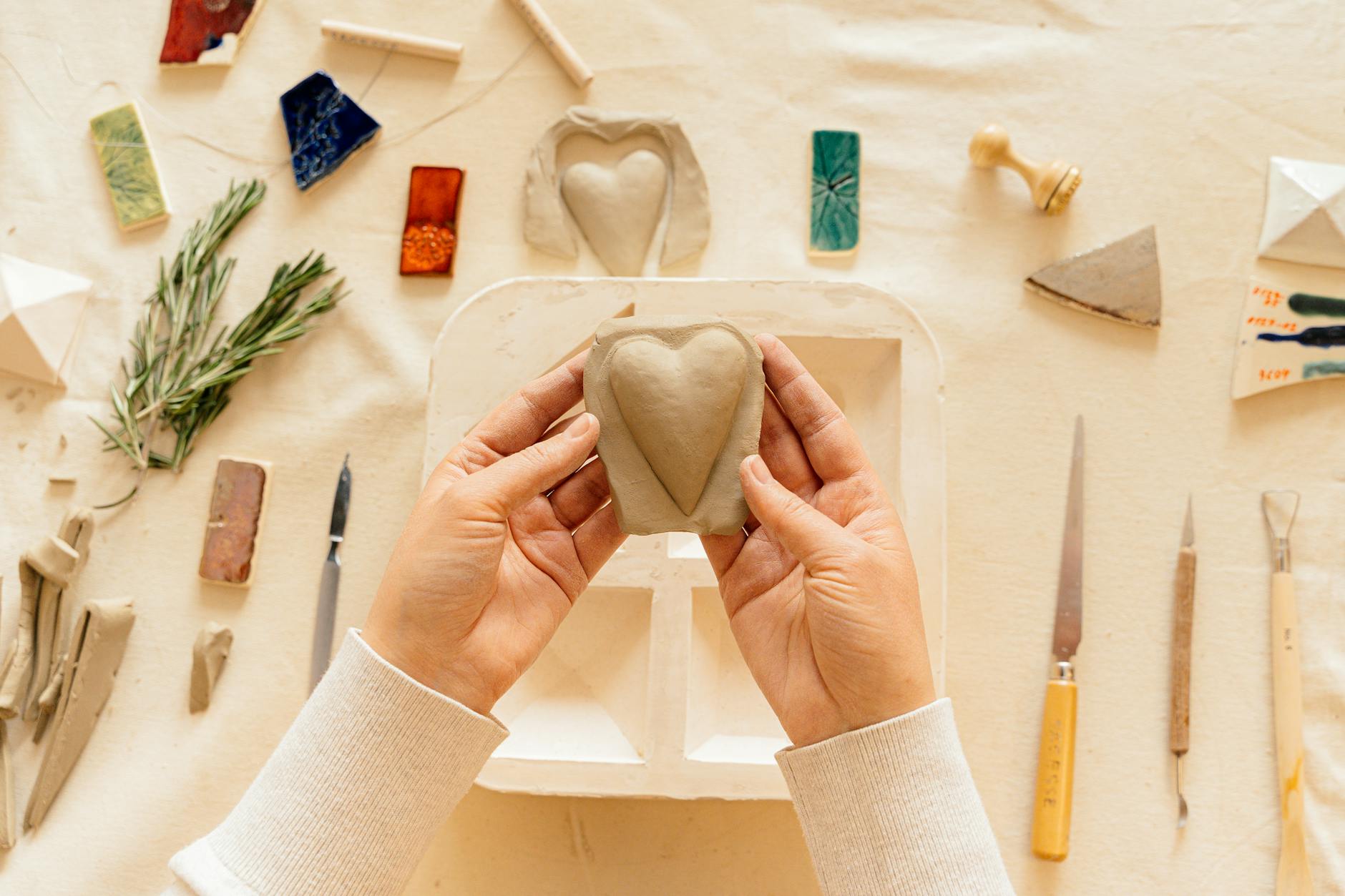
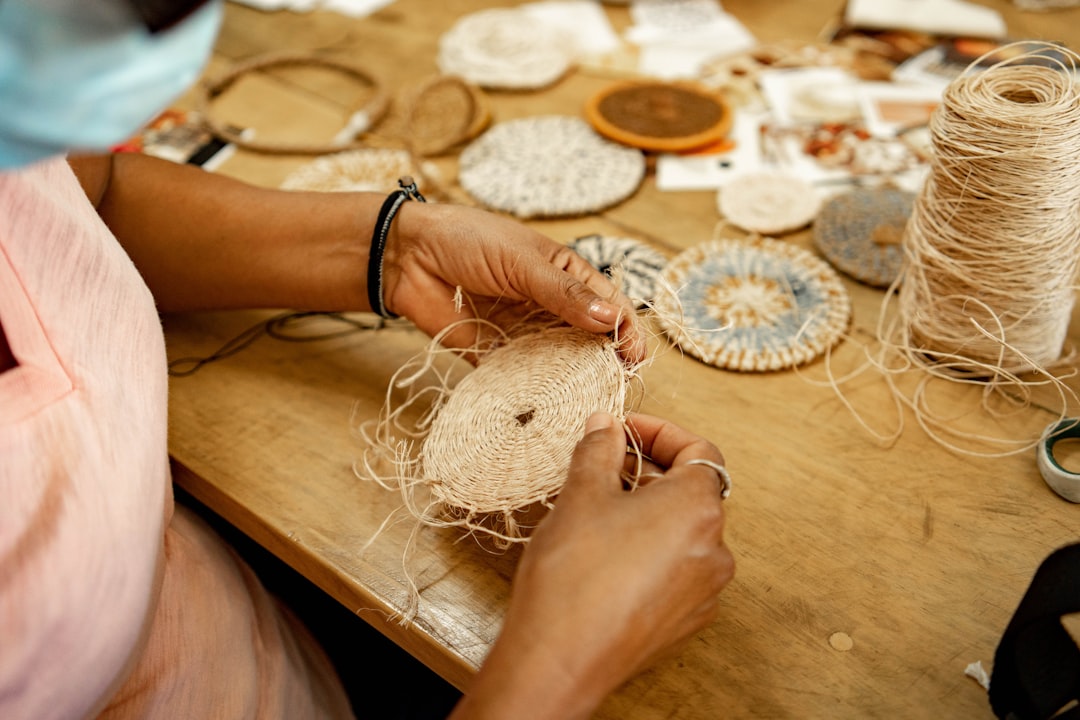
As a family of five—two parents, three curious kids, and one shared suitcase always threatening to burst—we were looking for more than a checklist of forts and Instagram sunsets. We wanted connection. We wanted stories. What we found, unexpectedly, was that craft—the living, breathing artistry of Rajasthan—became the thread that stitched our entire journey together.
From block-printing studios in Jaipur to blue pottery workshops and desert village weavers, craft transformed our trip from sightseeing into hands-on cultural immersion. Here’s how traditional Rajasthani craftsmanship reshaped our family adventure—and how it can shape yours, too.
1. Jaipur’s Block Printing: Where History Meets Hands-On Learning
Jaipur is often called the Pink City, but for us, it became the City of Patterns.
On our second day, instead of heading straight to another palace, we booked a family-friendly block printing workshop. It turned out to be one of the most memorable experiences of our entire trip.
Watching artisans dip intricately carved wooden blocks into natural dyes and press them onto cotton was mesmerizing. But the magic happened when our kids got to try it themselves. Suddenly, centuries of textile tradition became tactile, messy, and unforgettable.
Why it mattered for our family:
- Our kids understood the patience behind handmade textiles.
- We had meaningful conversations about sustainability and fast fashion.
- We created souvenirs we actually cared about.
Instead of buying mass-produced scarves, we brought home fabrics we had printed together. They weren’t perfect—and that was the point.
Practical tips:
- Look for workshops that allow children to participate safely.
- Book in advance during peak tourist season (October–March).
- Wear clothes you don’t mind staining—natural dyes can be stubborn.
- Combine the workshop with a visit to local textile markets to compare handmade and machine-made pieces.
Block printing gave us our first lesson: when children create, they connect.
2. Blue Pottery & The Art of Slowing Down
If Jaipur introduced us to pattern, blue pottery introduced us to patience.
Unlike traditional clay pottery, Jaipur’s famous blue pottery uses a quartz-based mixture and delicate glazing techniques. The process is meticulous. Fragile. Unforgiving.
In a small studio tucked away from the busy streets, we watched artisans shape bowls and tiles by hand. Our youngest asked why they didn’t just “use a machine.” The artisan smiled and said, “Because then it would not have a soul.”
That sentence stayed with us.
Our children tried painting pre-made pieces—carefully outlining floral motifs in cobalt and turquoise. It was quiet work. Focused work. The kind of work that rarely happens in our screen-saturated daily life.
Why it transformed our experience:
- It forced all of us to slow down.
- We learned to value imperfection.
- We saw pride and identity embedded in craftsmanship.
Travel can easily become rushed—monuments, meals, taxis, repeat. Craft workshops disrupted that rhythm. They created space for reflection.
Practical tips:
- Choose shorter painting sessions (1–2 hours) for younger kids.
- Ask if pieces can be shipped home to avoid breakage in luggage.
- Visit government-run emporiums for authentic blue pottery if you prefer to buy rather than create.
Blue pottery reminded us that sometimes the most meaningful travel moments happen when you pause long enough to notice them.
3. Village Weaving in the Thar Desert: Craft as Community
Leaving the cities behind, we ventured toward the Thar Desert near Jodhpur. Here, craft isn’t curated for tourists—it’s woven into daily life.
Through a local guide, we visited a Bishnoi village known for weaving dhurrie rugs. There were no ticket counters, no glossy signage—just homes, looms, and generations working side by side.
The rhythmic clack of the loom became the soundtrack of our afternoon.
Our children watched as bright threads transformed into geometric patterns. They learned how natural fibers are dyed, spun, and woven. More importantly, they saw how craft sustains families.
This wasn’t just art. It was livelihood.
What this taught our family:
- Craft preserves cultural identity.
- Buying directly from artisans has real economic impact.
- Travel can be a bridge—not just observation, but exchange.
We shared chai. The kids played with local children. Language barriers dissolved into laughter. The rug we purchased now lies in our living room—not as décor, but as a story.
Practical tips:
- Arrange village visits through ethical tour operators who ensure fair compensation.
- Carry small cash denominations for direct purchases.
- Encourage children to ask respectful questions—it opens beautiful conversations.
- Be mindful of photography and always ask permission.
In the desert, we discovered that craft isn’t a souvenir industry—it’s a living heritage.
4. Udaipur’s Miniature Paintings: Stories on a Smaller Scale
By the time we reached Udaipur, our family had started actively seeking craft experiences. The City of Lakes, with its romantic palaces and shimmering waters, offered one final artistic revelation: miniature painting.
Inside a small atelier near the City Palace, artists demonstrated how squirrel-hair brushes are used to paint impossibly fine details—sometimes requiring a single-hair tip.
Our teenagers were stunned by the precision. Our youngest was fascinated by the storytelling—scenes of royal courts, elephants, and epic battles from Indian mythology.
What struck us most was the discipline. Some paintings take months to complete.
Why miniature art resonated with our family:
- It connected visual art with history and mythology.
- It sparked conversations about dedication and mastery.
- It showed our kids that excellence takes time.
We purchased a small, hand-painted piece—not because it matched our décor, but because we had witnessed the process behind it.
Practical tips:
- Look for artists who demonstrate their technique openly.
- Ask about symbolism in the artwork—each element has meaning.
- Set a budget beforehand; authentic miniatures vary widely in price.
- Combine your visit with a City Palace tour for historical context.
Miniature painting taught us that small details often carry the biggest stories.
Why Craft-Based Travel Works So Well for Families
Looking back, we realized something important: craft experiences naturally solve many challenges of family travel.
- They’re interactive. Kids engage instead of passively observing.
- They’re educational. History, economics, sustainability—all become tangible.
- They slow the pace. A welcome change from temple-hopping fatigue.
- They create meaningful souvenirs. Objects with stories attached.
Rajasthan is often marketed for its grandeur—forts, palaces, desert safaris. And yes, those are spectacular. But for our family, it was the artisans—the printers, potters, weavers, painters—who made the state feel alive.
Craft gave our children context. It gave our purchases purpose. And it gave our journey depth.
Conclusion: Travel Deeper, Not Just Farther
If you’re planning a family trip to Rajasthan, consider this: don’t just tour the monuments. Step into a workshop. Sit beside an artisan. Let your children get their hands dirty with dye or paint.
Craft turns travel into participation. It transforms sightseeing into storytelling. And long after the sand has been shaken from your shoes, it leaves you with something far more lasting than photos.
Travel deeper. Travel curiously. Let craft shape your journey—just as it shaped ours.
Ready to design your own hands-on family adventure in Rajasthan? Start by adding one artisan experience to your itinerary—you may find it becomes the highlight of your entire trip.