


From the Gobi to Ghana: 10 of the Best Community Tourism Trips Around the World
What if your next trip didn’t just change you—but also directly supported the people who call your destination home? Community tourism is transforming the way we travel, shifting the focus from passive sightseeing to meaningful connection. From nomadic camps in Mongolia’s Gobi Desert to cocoa-growing villages in Ghana, community-based tourism invites travelers to share daily life, traditions, and stories—while ensuring tourism dollars stay local.
If you’re looking for immersive, ethical adventures that go beyond the typical bucket list, here are 10 of the best community tourism trips around the world—plus practical tips to help you plan responsibly.
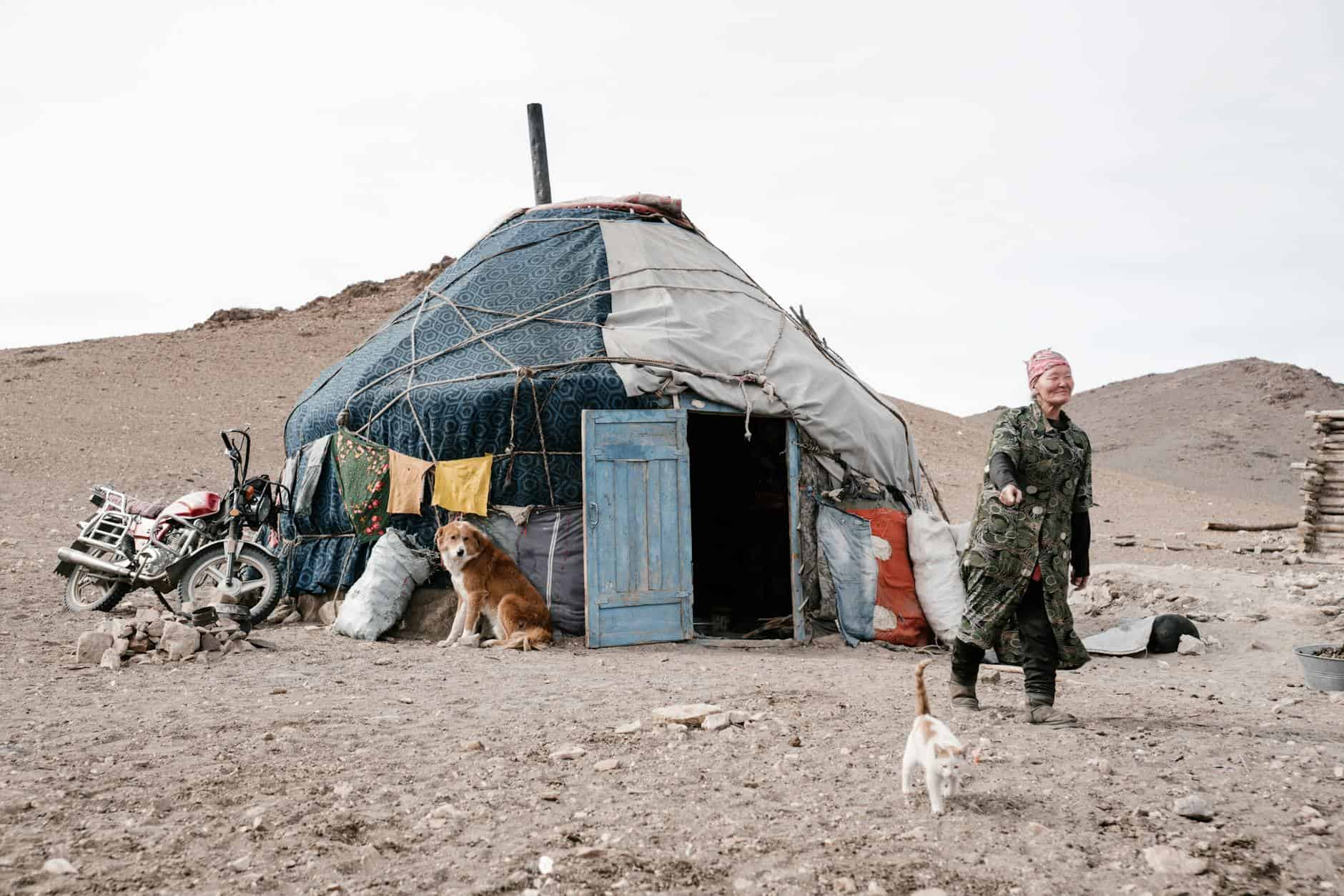
1. Desert Hospitality in Mongolia’s Gobi
In the vast silence of the Gobi Desert, nomadic herder families welcome travelers into traditional ger (yurt) camps. You’ll ride camels across rolling dunes, learn to milk goats, and share meals of buuz (dumplings) and salty milk tea.
Community-run camps ensure income flows directly to herding families, helping sustain a centuries-old lifestyle threatened by climate change and urban migration.
- Don’t miss: Stargazing in one of the darkest skies on Earth.
- Practical tip: Travel with operators that partner directly with local cooperatives and limit group sizes.
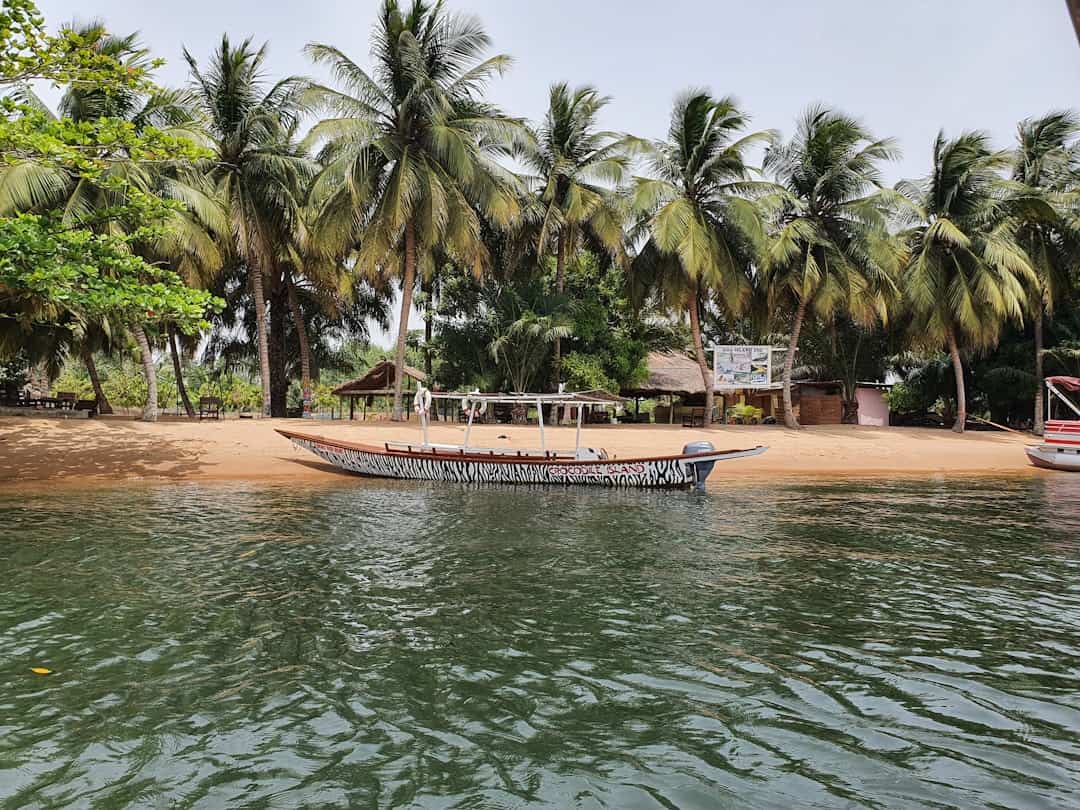
2. Village Life Along Ghana’s Cocoa Trail
In Ghana, community tourism initiatives invite visitors into rural cocoa-growing villages. Walk through cacao farms, learn how beans are fermented and dried, and try your hand at pounding fufu.
These experiences create alternative income streams and promote fair trade awareness while preserving Ashanti and Ewe cultural traditions.
- Don’t miss: A drumming and dance workshop led by village youth groups.
- Practical tip: Bring small-denomination local currency for craft purchases to support artisans directly.
3. Homestays in Peru’s Sacred Valley
High in the Andes, Quechua communities near Cusco offer homestays where visitors learn traditional weaving, farming, and cooking techniques. Wake early to herd alpacas and help prepare pachamanca, a traditional earth-oven feast.
Many villages operate collectively, pooling tourism income into education and healthcare projects.
- Don’t miss: A weaving workshop using natural dyes made from plants and insects.
- Practical tip: Spend at least two nights—short stays limit cultural exchange and impact.
4. Maasai-Led Safaris in Kenya
Beyond luxury lodges, several Maasai-owned conservancies in Kenya offer guided wildlife safaris paired with cultural immersion. Visitors learn about traditional cattle herding practices and community-led conservation efforts.
Tourism revenue supports schools, healthcare clinics, and wildlife protection—aligning economic survival with environmental stewardship.
- Don’t miss: Guided bush walks that explain medicinal plants and tracking techniques.
- Practical tip: Confirm the conservancy is majority-owned or directly managed by the Maasai community.
5. Floating Villages of Cambodia’s Tonlé Sap
On Southeast Asia’s largest freshwater lake, floating villages offer a glimpse into life on water. Community guides explain fishing traditions, mangrove conservation, and the ecological challenges facing the lake.
Responsible tours reinvest in local schools and environmental programs, countering exploitative “poverty tourism.”
- Don’t miss: A sunset paddle through flooded forests.
- Practical tip: Avoid tours that treat villages as spectacles—choose ethical, locally partnered operators.
6. Indigenous Cultural Tours in Northern Australia
Aboriginal-owned tourism enterprises across the Northern Territory offer guided walks through ancient landscapes, storytelling sessions, and bush food tastings. These experiences provide deeper context to Australia’s oldest living cultures.
Visitors gain insight into Dreamtime stories and land stewardship practices dating back tens of thousands of years.
- Don’t miss: Rock art tours led by traditional custodians.
- Practical tip: Respect photography rules—some sacred sites prohibit images.
7. Community Coffee Routes in Colombia
In Colombia’s Coffee Triangle, smallholder farmers invite travelers to stay on family-run fincas. Learn how to pick ripe coffee cherries, roast beans, and brew the perfect tinto.
These stays diversify rural incomes in regions historically affected by conflict, strengthening peace-building efforts.
- Don’t miss: Hiking through cloud forests between farms.
- Practical tip: Ask about farm-to-cup transparency to understand how your visit supports growers.
8. Sami Reindeer Camps in Arctic Norway
Above the Arctic Circle, Sami families offer immersive reindeer herding experiences. Visitors learn about indigenous rights, climate challenges, and Arctic survival skills.
Tourism here plays a role in preserving Sami language and traditions in a rapidly modernizing region.
- Don’t miss: Listening to joik, traditional Sami song, inside a lavvu tent.
- Practical tip: Visit during shoulder seasons to reduce pressure on fragile Arctic environments.
9. Rural Farm Stays in Japan’s Satoyama Countryside
In Japan’s satoyama landscapes—where forests, rice paddies, and villages coexist—community farm stays allow guests to harvest vegetables, plant rice, and cook seasonal dishes with host families.
These programs help revitalize aging rural communities facing depopulation.
- Don’t miss: Participating in a local matsuri (festival) if your timing aligns.
- Practical tip: Learn a few basic Japanese phrases to show respect and build rapport.
10. Coastal Conservation in Portugal’s Alentejo
Along Portugal’s rugged Atlantic coast, small fishing communities now offer marine conservation tours and homestays. Join local guides to monitor seabirds, learn sustainable fishing techniques, and cook freshly caught seafood.
By blending tourism with conservation science, these programs safeguard both marine ecosystems and cultural heritage.
- Don’t miss: A dawn fishing excursion with local crews.
- Practical tip: Choose certified sustainable operators aligned with regional conservation groups.
How to Choose a Responsible Community Tourism Experience
Not all “community-based” trips are created equal. To ensure your journey has a genuinely positive impact:
- Research ownership: Look for initiatives owned or co-managed by local communities.
- Ask about revenue distribution: How much stays locally?
- Stay longer: Deeper engagement increases both cultural exchange and economic benefit.
- Travel respectfully: Dress appropriately, follow local customs, and seek permission before taking photos.
- Leave no trace: Minimize waste and reduce your environmental footprint.
Why Community Tourism Matters More Than Ever
In a world of overtourism and homogenized travel experiences, community tourism offers a powerful alternative. It strengthens local economies, protects cultural heritage, and fosters cross-cultural understanding. For travelers, it replaces transactional tourism with transformational experiences.
From sharing tea in a Mongolian ger to harvesting cocoa in Ghana, these journeys remind us that travel is at its best when it builds bridges—not just itineraries.
If you’re ready to travel with purpose, start by choosing one destination that prioritizes people over profits. Seek out locally led experiences, ask questions, and approach every encounter with humility and curiosity.
Your next adventure can do more than fill your camera roll—it can help sustain communities, preserve traditions, and shape a more responsible future for global travel.
Where will you go first?