


From Climbing Kilimanjaro to Cycling the Tour de France Route: Readers’ Favourite Organised Challenges
There’s something transformative about signing up for a challenge that scares you just a little. Whether it’s standing on the roof of Africa, pedalling up legendary Alpine climbs, trekking across vast landscapes, or swimming in open water at sunrise, organised adventure challenges offer more than just a medal at the finish line. They offer structure, support, camaraderie — and a story you’ll tell for the rest of your life.
We asked our readers to share their favourite organised challenges around the world, and the results were as inspiring as they were diverse. From high-altitude ascents to multi-day endurance rides, these experiences prove that with the right preparation and team behind you, extraordinary goals are within reach.
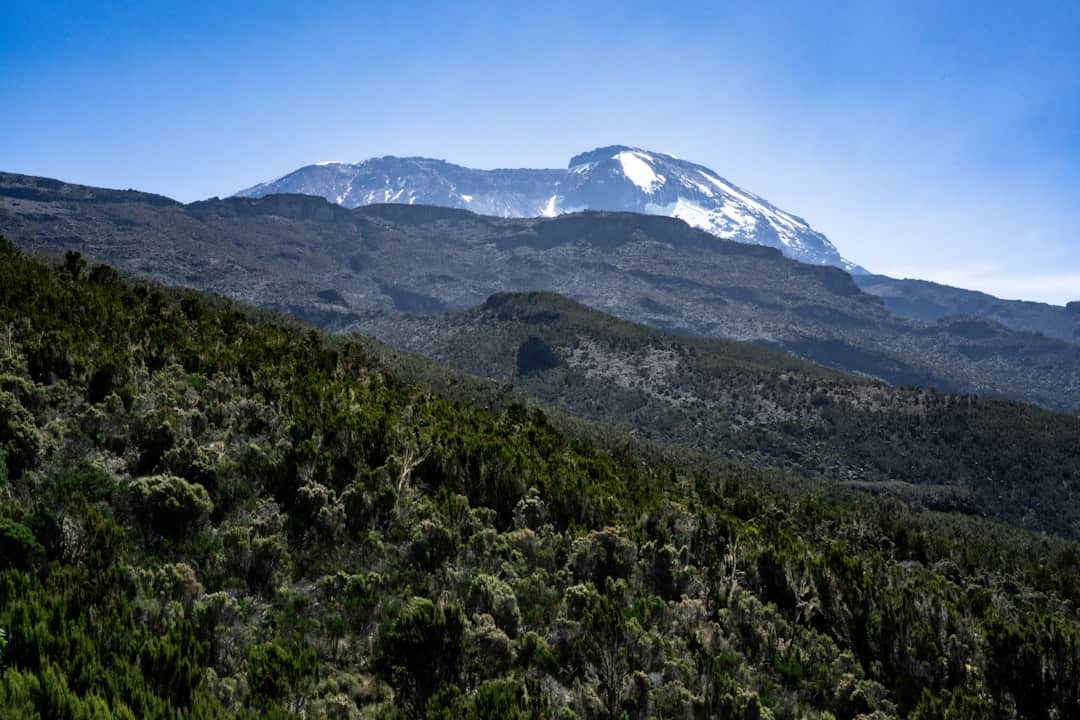
1. Climbing Mount Kilimanjaro: Africa’s Ultimate Bucket-List Trek
Rising 5,895 metres above sea level, Mount Kilimanjaro is the world’s highest free-standing mountain — and one of the most accessible high-altitude climbs for determined adventurers. No technical climbing skills are required, but don’t mistake “non-technical” for easy. This is a true physical and mental test.
Organised Kilimanjaro expeditions are popular for good reason. Licensed guides, porters, cooks and support teams make the journey safer and more manageable, allowing climbers to focus on acclimatisation and pacing.
Why readers love it:
- The sunrise summit at Uhuru Peak is unforgettable.
- The changing landscapes — rainforest, alpine desert, glaciers — feel like crossing continents.
- The camaraderie among climbers is powerful and motivating.
Practical tips:
- Choose a longer route (7–8 days) to improve acclimatisation and summit success.
- Train with back-to-back hiking days and include stair climbing or hill repeats.
- Invest in quality boots and break them in well before departure.
- Don’t underestimate altitude — go slowly and hydrate constantly.
For many readers, Kilimanjaro wasn’t just about reaching the top — it was about proving to themselves that they could do something extraordinary.
2. Cycling the Tour de France Route: Ride Like a Pro
If you’ve ever watched the Tour de France and wondered what it feels like to tackle those iconic climbs, organised cycling challenges across France (and beyond) let you find out — without the pressure of racing professionals.
Popular organised rides include stages that conquer Alpe d’Huez, Mont Ventoux, and the Col du Tourmalet. Fully supported tours provide route planning, mechanical assistance, luggage transfers and nutrition stops, making the experience accessible even to strong amateur cyclists.
Why readers love it:
- Climbing legendary cols delivers serious bragging rights.
- The food and wine at the finish line taste even better after 100km.
- You ride through some of Europe’s most breathtaking scenery.
Practical tips:
- Train specifically for long climbs — steady power output is key.
- Bring (or rent) a lightweight road bike suited for mountain gradients.
- Learn basic bike maintenance, even if support is provided.
- Plan recovery seriously — stretching, nutrition, and sleep matter.
Many readers say the biggest surprise isn’t the difficulty — it’s the emotion of reaching the summit markers you’ve seen on television for years. It’s cycling history under your own power.
3. Multi-Day Trekking Challenges: From the Inca Trail to the Sahara
For those who prefer walking to wheels, organised trekking challenges remain a firm favourite. The Inca Trail to Machu Picchu, Nepal’s Annapurna Circuit, and even charity desert treks across the Sahara combine endurance with cultural immersion.
These journeys typically span several days, blending physical effort with storytelling, local guides, and shared camps under the stars.
Why readers love it:
- The rhythm of walking creates mental clarity and connection.
- You access remote places that independent travel can’t easily reach.
- The shared hardship bonds groups quickly and deeply.
Practical tips:
- Train with a weighted backpack to simulate real conditions.
- Focus on foot care — blisters can derail even the fittest hiker.
- Respect local cultures and follow Leave No Trace principles.
- Embrace slower travel — it’s about the journey, not just the destination.
Readers often describe these treks as “life-reset moments.” Disconnecting from devices and reconnecting with nature — and yourself — can be just as powerful as reaching a summit.
4. Endurance Events with a Purpose: Charity Challenges and Open-Water Swims
Not every organised challenge takes place in the mountains. Increasingly, travellers are combining adventure with impact through charity fundraising events, ultra-marathons, and open-water swim challenges.
From swimming the English Channel (as part of a relay) to running multi-day ultramarathons across dramatic landscapes, these events offer structured logistics and a powerful shared mission.
Why readers love it:
- Training feels more meaningful when tied to a cause.
- The finish-line atmosphere is electric and emotional.
- You become part of a supportive, purpose-driven community.
Practical tips:
- Choose a cause you genuinely care about — it fuels motivation.
- Build a progressive training plan and consider a coach for endurance events.
- Practise in similar conditions (cold water, heat, terrain).
- Budget carefully — fundraising minimums and travel costs add up.
For many participants, these challenges go beyond personal achievement. They become defining chapters — proof that travel can create positive change both internally and externally.
How to Choose the Right Organised Challenge for You
With so many options available, selecting the right adventure can feel overwhelming. Here’s a simple framework to help narrow it down:
- Assess your fitness level honestly: Stretch yourself, but don’t leap into something unsafe.
- Consider your motivation: Adventure, charity, scenery, or social connection?
- Research the organiser: Check safety records, guide qualifications, and reviews.
- Understand the true cost: Flights, gear, insurance, tips and visas can add up.
- Think long term: Choose something that excites you enough to commit to months of preparation.
The beauty of organised challenges is that they remove much of the logistical stress. You gain expert planning, group encouragement, and a defined goal — all of which significantly increase your chances of success.
Why Organised Adventure Travel Is Booming
Adventure travel has shifted. It’s no longer just about ticking off landmarks; it’s about transformation. Organised challenges combine structure with discovery, turning holidays into milestones.
They also provide safety in numbers. Professional guides monitor weather conditions, altitude sickness, mechanical issues and emergency response plans. For first-time adventurers especially, that support makes ambitious goals achievable.
But perhaps most importantly, organised challenges build community. Strangers become teammates. Shared struggles become shared triumphs. And the finish line — whether it’s a mountain peak, a Parisian boulevard, or a desert camp — feels richer because you didn’t reach it alone.
Ready to Take on Your Own Challenge?
Whether your dream is climbing Kilimanjaro, cycling a Tour de France stage, trekking ancient trails, or diving into open water at dawn, there’s an organised adventure waiting for you.
The hardest part isn’t the climb or the ride — it’s clicking “book now.” Once you commit, training begins, confidence builds, and momentum carries you forward.
So ask yourself: what story do you want to tell next year?
Choose your challenge. Start preparing. And turn your next trip into something truly unforgettable.