


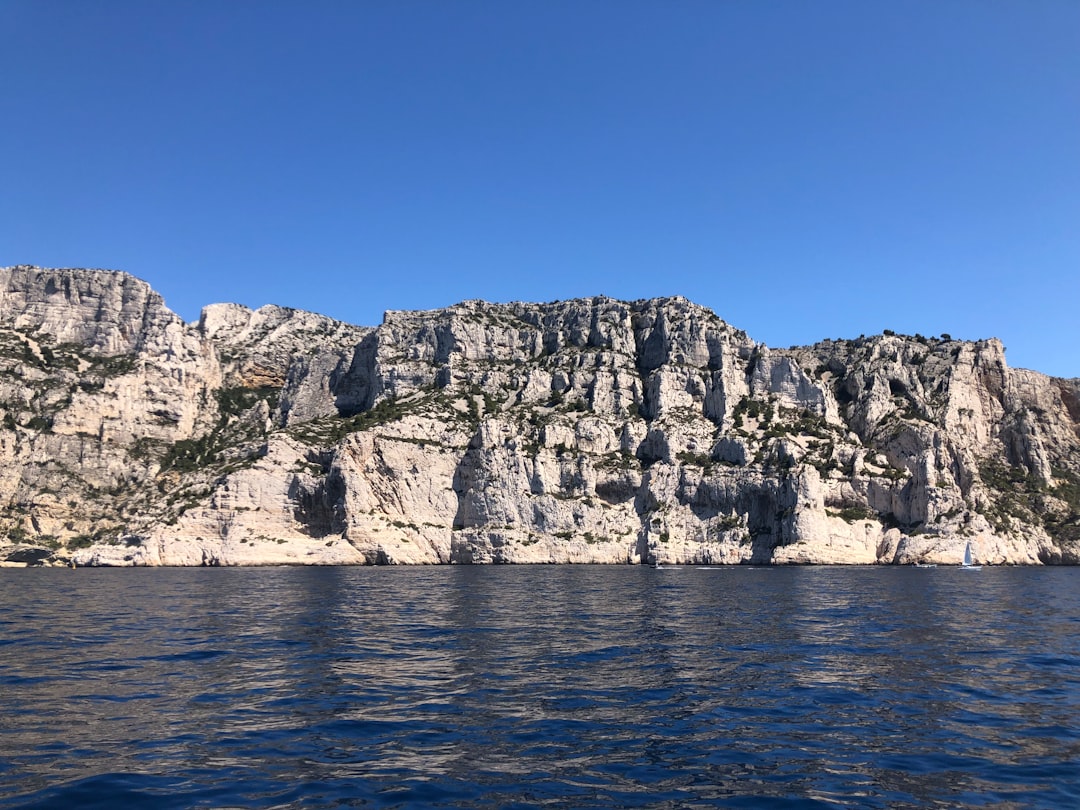
Five of Europe’s Best Accessible Island Escapes
Island getaways have long been associated with winding cobblestone streets, steep cliffs, and hidden beaches reached only by rugged paths. But across Europe, many islands are proving that paradise can — and should — be accessible to everyone. From smooth seaside promenades to adapted beaches and step-free historic centers, these destinations make it easier for travelers with mobility needs, families with strollers, and anyone seeking comfort to enjoy the magic of island life.
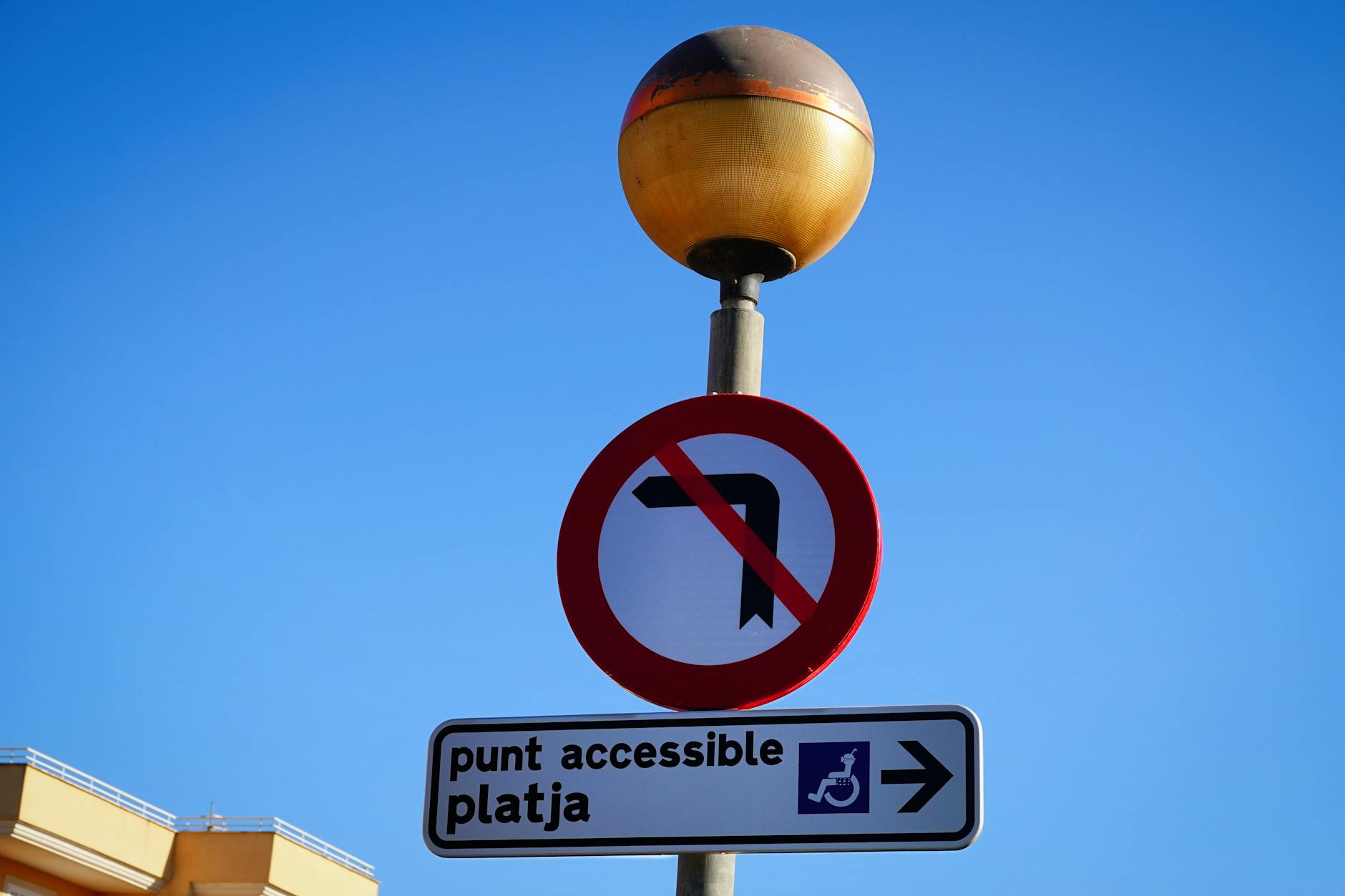
Here are five of Europe’s best accessible island escapes — each offering beauty, culture, and thoughtful infrastructure that makes travel smoother and more inclusive.
1. Mallorca, Spain
The largest of Spain’s Balearic Islands, Mallorca combines Mediterranean beauty with some of the best accessibility infrastructure in Southern Europe. Thanks to ongoing investments in inclusive tourism, the island offers adapted beaches, accessible transport, and a wide range of accommodation options designed for comfort.
Palma, the island’s elegant capital, is particularly easy to navigate. Its historic center features wide pedestrian areas, curb ramps, and accessible public buildings. The stunning Palma Cathedral offers step-free access to much of the site, and many museums have elevators and adapted restrooms.
Several beaches, including Playa de Palma and Alcúdia, provide amphibious wheelchairs, wooden walkways over the sand, accessible toilets, and trained lifeguards during the summer months.
Practical tips:
- Palma de Mallorca Airport (PMI) offers excellent assistance services — book in advance with your airline.
- Look for “turismo accesible” labels when booking hotels; many resorts offer roll-in showers and pool lifts.
- Public buses are wheelchair accessible and connect major towns and beaches.
2. Madeira, Portugal
Often called the “Island of Eternal Spring,” Madeira is famous for its dramatic landscapes — but it’s also becoming a leader in accessible tourism. While some of its terrain is steep, thoughtful planning allows visitors with reduced mobility to enjoy many of its highlights comfortably.
Funchal, the capital, has accessible promenades along the waterfront, smooth sidewalks in central areas, and step-free access to many restaurants and shops. The Monte Cable Car is adapted for wheelchair users, offering breathtaking views without physical strain.
Praia Formosa, one of Madeira’s most accessible beaches, provides adapted facilities and easy entry points. Meanwhile, botanical gardens and scenic viewpoints often include designated accessible routes.
Practical tips:
- Request mobility assistance when arriving at Cristiano Ronaldo Madeira International Airport.
- Consider renting an adapted vehicle if you plan to explore beyond Funchal.
- Book guided tours that specifically advertise accessibility — many local operators now cater to diverse mobility needs.
3. Tenerife, Canary Islands, Spain
Tenerife stands out as one of Europe’s most accessible island destinations. The largest of the Canary Islands has invested heavily in inclusive beaches, accessible hotels, and barrier-free public spaces.
Costa Adeje is particularly well-known for its accessible tourism initiatives. Playa de las Vistas and Playa del Duque offer amphibious chairs, accessible changing rooms, and trained staff to assist visitors into the water. Wooden pathways extend across the sand, making beach days far more manageable.
Beyond the coast, Tenerife’s modern infrastructure includes accessible shopping centers, cultural venues, and public transportation. Even some whale-watching tours and boat excursions provide step-free boarding options.
Practical tips:
- Tenerife South Airport (TFS) is fully accessible and offers comprehensive passenger assistance services.
- Many large resorts in Costa Adeje and Los Cristianos have adapted rooms with roll-in showers and pool lifts.
- Check in advance if visiting Mount Teide National Park — some viewpoints and visitor centers are accessible, but terrain varies.
4. Sardinia, Italy — and Elba, Italy
Italy may not be the first country that comes to mind when thinking about accessible travel, but two of its islands are making impressive strides: Sardinia and Elba.
Sardinia has developed the “Turismo per Tutti” (Tourism for All) initiative, promoting accessible beaches and accommodations. La Pelosa Beach and Poetto Beach near Cagliari offer accessible pathways, adapted toilets, and beach wheelchairs during peak season. Cagliari’s historic center has improved curb ramps and accessible museums, blending culture with comfort.
Elba, a smaller island in the Tuscan Archipelago, is an emerging accessible gem. Several beaches now feature accessible facilities, and the island’s manageable size makes it easier to plan stress-free day trips. Portoferraio’s harbor area has relatively smooth surfaces and step-free dining options.
Practical tips:
- Contact local tourist offices in advance — both islands provide updated accessibility guides.
- Travel in late spring or early autumn for fewer crowds and easier mobility.
- Confirm ferry accessibility when traveling from mainland Italy; most major operators offer assistance services.
Why Accessible Islands Matter More Than Ever
Accessible travel isn’t just about ramps and elevators — it’s about freedom. It’s about ensuring that everyone, regardless of mobility level, can experience a sunset over the Atlantic, swim in clear Mediterranean waters, or wander through centuries-old harbor towns.
Europe’s islands are increasingly recognizing that inclusivity improves travel for all visitors: seniors, families with young children, travelers recovering from injuries, and people with permanent disabilities alike. Better sidewalks, adapted transportation, and thoughtful hotel design benefit everyone.
If you’re dreaming of an island escape without logistical stress, these destinations prove that you don’t have to compromise between accessibility and adventure. With the right planning and a bit of research, Europe’s most beautiful islands are ready to welcome you.
Ready to plan your accessible island getaway? Start by contacting local tourism boards, confirming airport assistance, and booking accommodations tailored to your needs. Paradise is closer — and more accessible — than ever.