


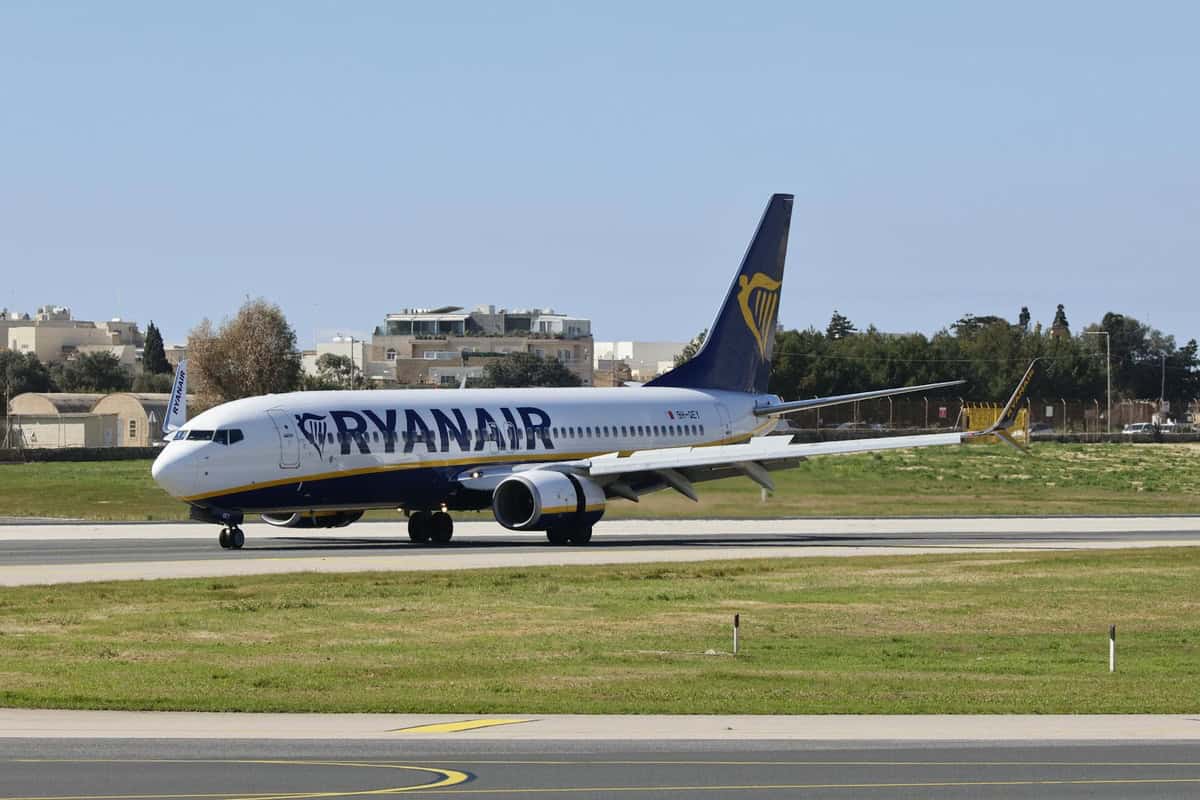
Budget Airlines in Europe 2026: How to Avoid Hidden Fees on Ryanair, Wizz Air & easyJet
Last month I booked a €19.99 Ryanair flight from Milan to Barcelona. By the time I clicked “confirm,” the total was €78. That’s still cheap for a 1h40 flight across Europe — but only because I knew exactly which extras to skip.
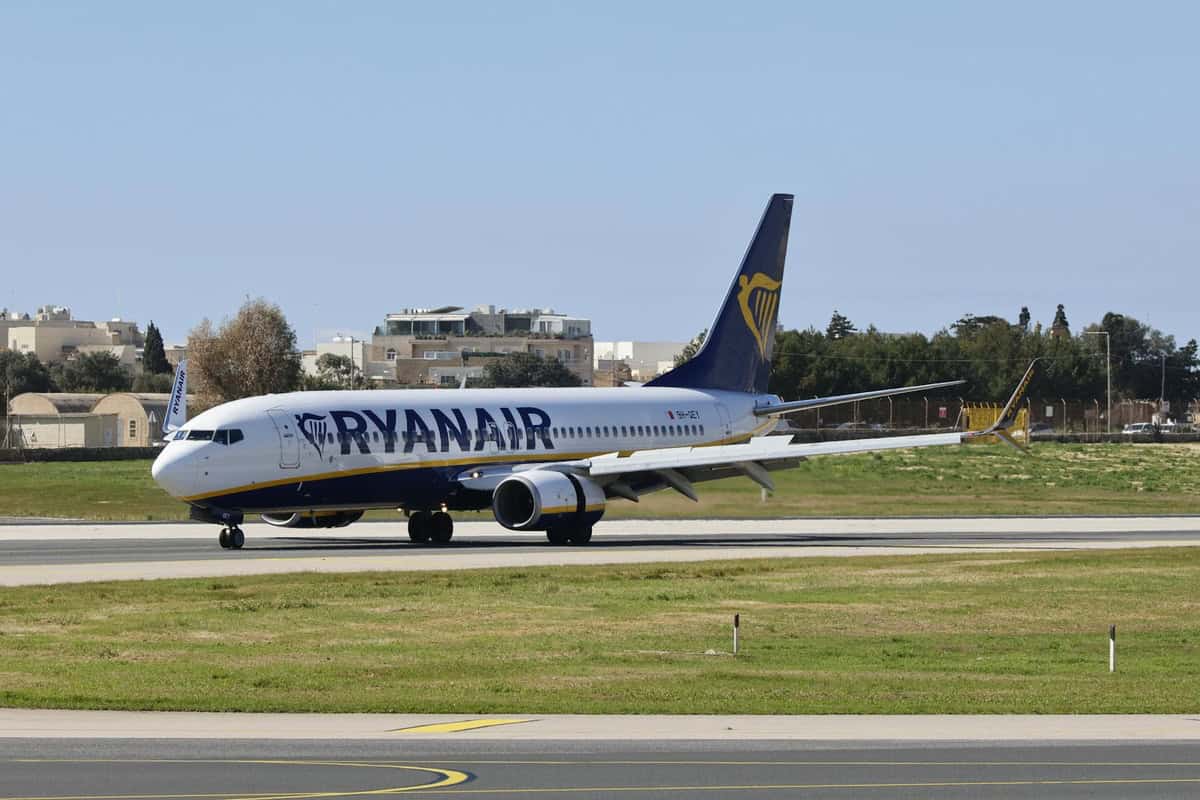
In 2026, flying Europe on a budget is still one of the best travel hacks out there. You can cross countries for less than the price of dinner. But if you don’t understand how Ryanair, Wizz Air, and easyJet structure their fees, that “€15 fare” can easily triple.
Key Takeaways
- Base fares in 2026 start as low as €14.99, but typical final prices range from €40–€90 after add-ons.
- Ryanair charges up to €75 at the airport for oversized cabin bags — measure and prepay online.
- Wizz Air’s basic fare includes only a small personal item (40x30x20 cm).
- Seat selection can cost €6–€25; skip it unless you need extra legroom.
- Always compare the “Regular” bundle vs. paying for bags separately — sometimes it’s cheaper.
Here’s how to beat the system (legally), avoid hidden fees, and keep your European flights genuinely cheap.
Step 1: Understand What “Basic Fare” Really Means in 2026
All three airlines now operate on an ultra-unbundled model. Your ticket gets you one person and one tiny bag. That’s it.
Here’s what’s typically included:
- Ryanair: 1 small personal bag (40x20x25 cm)
- Wizz Air: 1 small personal bag (40x30x20 cm)
- easyJet: 1 small cabin bag (45x36x20 cm)
No checked luggage. No full-size carry-on (unless you pay). No seat selection. No flexibility.
If you can travel with a backpack that fits under the seat, you’ve already won half the battle.
Step 2: Never Pay Airport Bag Fees
This is where people get destroyed.
In 2026, showing up at the gate with an oversized bag can cost:
- Ryanair: up to €75 at the gate
- Wizz Air: €60–€80 depending on route
- easyJet: around €48–€65
My rule: measure your bag before every trip. Don’t guess.
If you need a bigger carry-on, buy it online during booking. It usually costs €6–€25, depending on route and season. At the airport, you’ll pay 3–4x more.
Step 3: Be Strategic With Seat Selection
Do you actually care where you sit for a 90-minute flight?
Standard seat selection costs:
- €6–€12 for regular seats
- €15–€25 for extra legroom
I only pay for a seat when:
- I’m traveling with someone and we must sit together.
- I want an exit row on a 3+ hour flight.
- I’m carrying expensive tech gear.
Otherwise? Let the algorithm decide.
Speaking of tech, if you’re flying frequently in 2026, wearable travel tech is getting interesting. Snap’s new AI glasses are finally launching for travelers, and they could change how we navigate airports and translate signs on the go. I wrote more about that here: why Snap’s new AI glasses matter for travelers.
Step 4: Compare “Basic” vs. “Bundle” Before You Pay
This is where most people mess up.
Ryanair’s “Regular” fare or Wizz Air’s “Wizz Go” often includes:
- Priority boarding
- Larger cabin bag (10kg)
- Seat selection
- Sometimes fast-track security
If you’re adding a cabin bag and a seat separately, the bundle is often €5–€10 cheaper overall.
I once paid €42 total for a Berlin–Rome flight with a bundle, while my friend paid €58 booking add-ons individually. Same plane. Same row.
Step 5: Watch the Airports — Not Just the Airline
Budget airlines love secondary airports.
Examples:
- Paris Beauvais (1h15 from central Paris)
- Frankfurt-Hahn (actually 1h45 from Frankfurt)
- Barcelona Girona (about 1 hour by bus)
That €19 ticket can quickly become €35–€50 after bus transfers.
Always check:
- Distance to city center
- Last bus/train time at night
- Transport cost round-trip
Sometimes easyJet flying into a main airport is worth €15 more.
Step 6: Check In Online — Always
This sounds basic, but every year thousands of travelers still pay unnecessary airport check-in fees.
In 2026:
- Ryanair airport check-in fee: around €55
- Wizz Air: approx. €40
- easyJet: free online, airport fees vary
Set a calendar reminder 24 hours before departure. Check in via the app. Screenshot your boarding pass in case the app glitches.
Air travel tech is improving, and even air traffic control staffing is evolving — the FAA recently suggested gamers may help address controller shortages, which could impact delays long term (interesting read here: how gaming skills might affect flight operations). But for now, assume nothing and download everything.
Step 7: Avoid Currency Conversion Traps
When booking from outside the Eurozone, airlines love offering “guaranteed exchange rates.”
Decline it.
Pay in the local currency (usually EUR or GBP) and let your credit card handle conversion. You’ll typically save 2–6%.
If you travel often, use a no-foreign-transaction-fee card. It makes a real difference over multiple trips.
Ryanair vs. Wizz Air vs. easyJet: Which Is Best in 2026?
Ryanair is usually the cheapest on base fare. It’s ruthless with baggage enforcement but incredibly reliable on price.
Wizz Air often has amazing deals in Central and Eastern Europe — think €24 Vienna to Abu Dhabi promos — but be stricter with luggage rules.
easyJet feels slightly more “civilized.” Larger basic cabin allowance, more primary airports, fewer surprise vibes.
My honest take?
- Shortest flight, no luggage: book the cheapest.
- Weekend city break with a cabin bag: compare bundles carefully.
- Flying to a secondary airport late at night: consider paying more for convenience.
What I Personally Do (And Recommend)
For trips under 3 days, I travel with a 20L backpack that fits under the seat. No priority. No seat selection. No drama.
For longer trips, I compare:
- Basic fare + cabin bag
- Bundle fare
- Competitor airline into a main airport
If the difference is under €20, I choose comfort and airport location over pure price.
Budget airlines are a tool. Use them smartly, and they’re unbeatable. Ignore the fine print, and you’ll feel scammed — even when you weren’t.
Final Thoughts: Cheap Flights Are Still Worth It — If You Play the Game
In 2026, you can still fly across Europe for less than €50. That’s insane when you think about it.
But the golden rule remains: the cheaper the base fare, the more disciplined you need to be.
Measure your bag. Check in online. Compare bundles. And always calculate the real cost to the city center.
If you do that, Ryanair, Wizz Air, and easyJet stop being “budget traps” — and start being powerful travel tools.
Planning a multi-city European trip this year? Bookmark this guide, and check your next booking against it before you click pay.
Frequently Asked Questions
How much do budget airlines in Europe really cost in 2026?
Base fares start around €14.99–€24.99, but most travelers end up paying €40–€90 after adding luggage or seat selection. The final cost depends heavily on bags and airport transfers.
Is Ryanair strict with baggage in 2026?
Yes — very. If your bag exceeds the free 40x20x25 cm limit, you can be charged up to €75 at the gate. Measuring your bag in advance is essential.
Is it cheaper to buy baggage online or at the airport?
Always online. Adding a cabin bag during booking typically costs €6–€25, while airport or gate fees can reach €60–€80.
Which budget airline is best in Europe?
Ryanair is usually cheapest, Wizz Air excels in Eastern Europe routes, and easyJet offers better airport locations and a slightly more flexible cabin bag policy.