


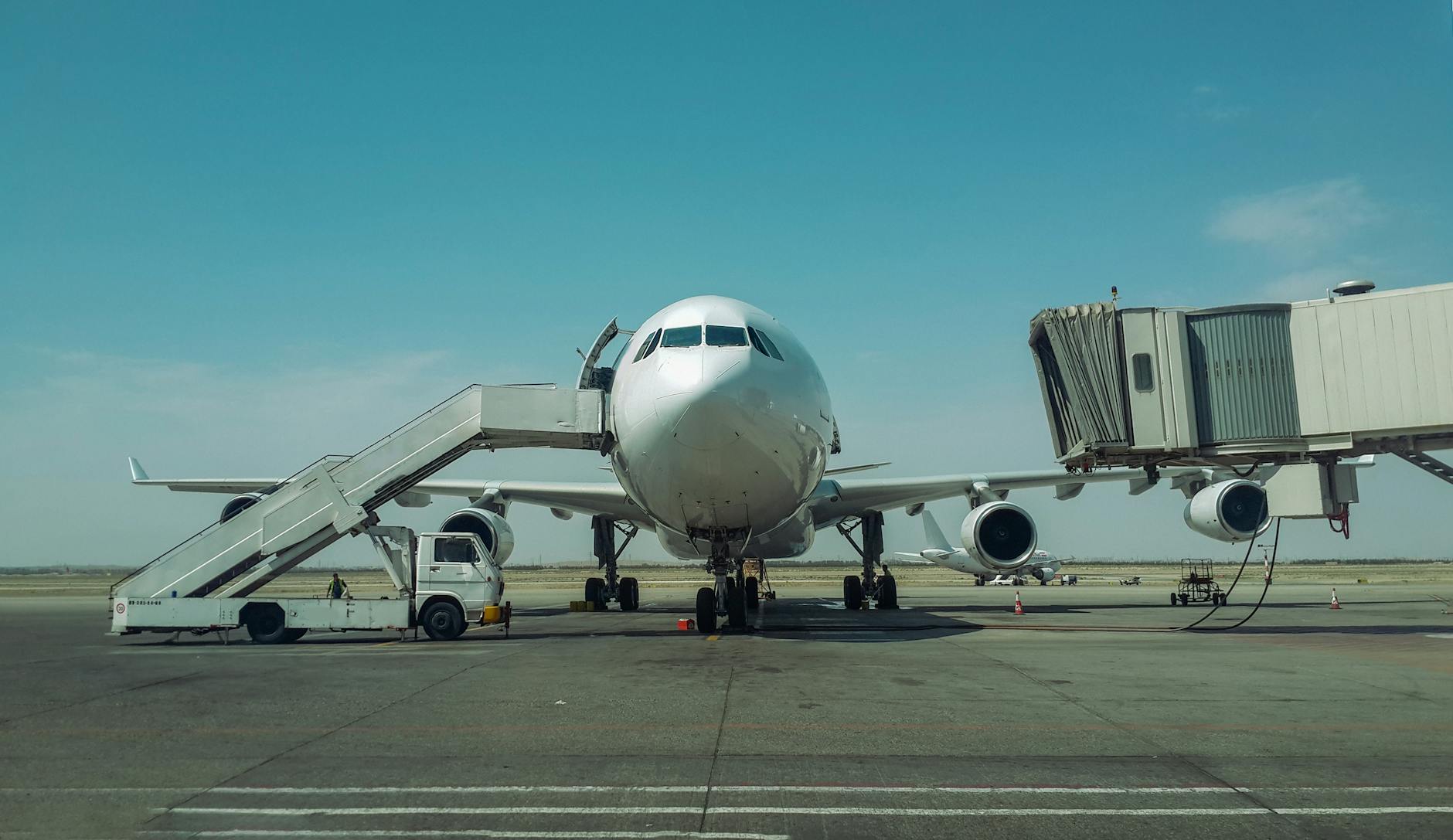
Dubai Airport Flights Resume After Iran War Disruption
For millions of global travelers, Dubai International Airport (DXB) is more than a stopover — it’s a gateway between continents. So when flights were temporarily suspended amid rising tensions linked to the Iran war, the ripple effect was felt from London to Sydney, Mumbai to New York. Now, as Dubai airport flights are gradually resuming, passengers are breathing a cautious sigh of relief.
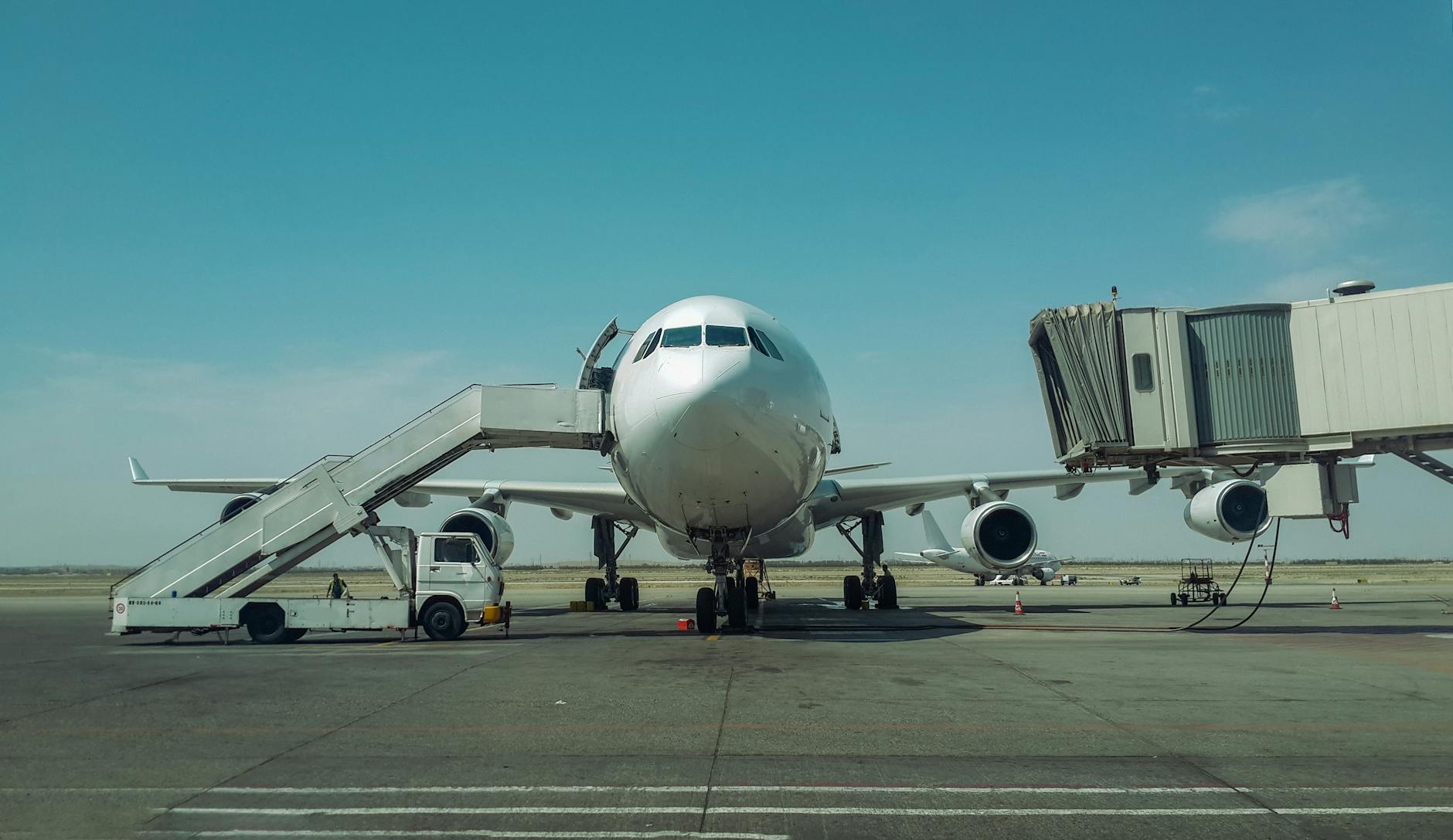
But what does “gradually resuming” actually mean for your travel plans? Whether you’re currently stranded, planning an upcoming trip, or simply monitoring the situation, here’s everything you need to know — along with practical tips to travel smarter during uncertain times.
What Happened: Why Dubai Flights Were Suspended
Dubai International Airport, one of the busiest aviation hubs in the world, experienced temporary flight suspensions due to heightened regional tensions linked to the Iran war. Airspace closures, security precautions, and rerouted flight paths created immediate operational challenges.
When geopolitical conflicts escalate, airlines often suspend routes or adjust flight paths to avoid restricted or potentially unsafe airspace. This can lead to:
- Temporary flight cancellations
- Significant delays
- Rerouted long-haul journeys
- Missed connections at major hubs
Dubai’s strategic location makes it particularly sensitive to airspace restrictions in the Gulf region. Even limited closures can disrupt global flight networks because so many routes connect through DXB.
The good news: Authorities have confirmed that operations are gradually returning to normal. Airlines are resuming services in phases, prioritizing safety while working through backlogs.
Practical Tip: Always check your flight status directly with your airline — not just the airport website. Airlines may resume operations at different speeds depending on aircraft positioning and crew availability.
What “Gradually Resuming” Means for Travelers
While flights are restarting, “gradual” is the key word. Don’t expect instant normalcy.
Here’s what travelers can realistically expect in the coming days and weeks:
- Backlogged passengers: Airlines are first accommodating travelers whose flights were canceled.
- Limited seat availability: Rebooking demand is high.
- Possible schedule adjustments: Departure times may change at short notice.
- Longer travel times: Some flights may still take alternative routes.
Dubai’s aviation authorities are known for efficiency, but when disruptions occur at a hub that handles over 80 million passengers annually, recovery takes careful coordination.
If you’re flying through Dubai soon, build flexibility into your itinerary. Allow longer layovers than usual, especially if you’re connecting onward to Europe, Asia, or Africa.
Practical Tips:
- Arrive at the airport at least 3 hours early for international departures.
- Download your airline’s mobile app for real-time alerts.
- Avoid tight layovers under 90 minutes during this recovery phase.
- Keep essential items in your carry-on in case of unexpected overnight delays.
Patience will be your best travel companion during this transition.
Passenger Rights, Refunds, and Rebooking Options
If your flight was canceled due to the temporary suspension, you likely have options — but they depend on your airline and ticket type.
Most major carriers operating through Dubai are offering:
- Free rebooking on the next available flight
- Flexible date changes
- Travel vouchers
- Full refunds in certain cases
However, policies vary. Emirates, Flydubai, and international carriers may each apply different rules depending on route and ticket class.
Here’s how to protect yourself:
- Contact your airline directly before canceling anything yourself.
- Document all communications and confirmation numbers.
- Check whether your travel insurance covers war-related disruptions.
- If you booked via a third-party site, confirm changes with both the airline and the booking platform.
If you’re already in Dubai and facing delays, airlines are generally responsible for accommodation and meals in extended disruption scenarios — but only under specific fare conditions.
Pro Travel Hack: If customer service lines are overloaded, try contacting your airline through social media direct messages. Many carriers now respond faster there than via call centers.
Is It Safe to Travel Through Dubai Right Now?
Safety is the top concern for most travelers. Dubai itself remains operational, secure, and open for tourism and transit. The temporary suspension was largely precautionary, linked to regional airspace concerns rather than direct threats within the UAE.
The UAE maintains strong aviation safety standards, and Dubai International Airport consistently ranks among the safest and most technologically advanced airports globally.
Airlines and aviation authorities continuously monitor:
- Regional airspace advisories
- International aviation safety recommendations
- Military and geopolitical developments
If flights are operating, they have been cleared under current safety guidelines.
Still, it’s wise to stay informed:
- Monitor official government travel advisories.
- Register with your embassy if traveling internationally.
- Enable international roaming or eSIM access for real-time updates.
For many travelers, Dubai remains one of the most stable and well-managed transit hubs in the region — even during geopolitical tension.
How to Travel Smarter During Regional Uncertainty
Global travel is deeply interconnected with geopolitics. Events in one region can quickly impact flight paths worldwide. The recent disruption at Dubai Airport is a reminder that flexibility is the modern traveler’s superpower.
Here’s how to future-proof your travel plans:
- Book flexible fares: Refundable or changeable tickets are worth the extra cost during uncertain times.
- Choose longer layovers: Avoid risky short connections at major hubs.
- Invest in travel insurance: Look specifically for coverage related to conflict or airspace closure.
- Stay informed: Follow reliable aviation news sources and official airport channels.
And perhaps most importantly — avoid panic booking. Flight prices can spike immediately after disruptions. Often, capacity stabilizes within days.
Dubai’s aviation infrastructure is built for resilience. The airport has navigated past global disruptions, from pandemics to volcanic ash clouds. Gradual resumption signals that systems are stabilizing once again.
Conclusion: Stay Calm, Stay Flexible, Keep Exploring
The temporary suspension of flights at Dubai International Airport due to the Iran war created understandable concern across the global travel community. But with flights now gradually resuming, confidence is returning to one of the world’s most important transit hubs.
If you’re planning to travel through Dubai, preparation is key. Double-check bookings, allow extra time, and keep communication lines open with your airline. Most importantly, stay flexible — because flexibility transforms travel stress into manageable detours.
Global travel may occasionally pause, reroute, or adjust — but it doesn’t stop. And neither should your plans to explore the world.
Before your next trip: Check your flight status, review your insurance policy, and give yourself breathing room in your itinerary. Smart preparation today ensures smoother journeys tomorrow.
Safe travels — and keep discovering.