


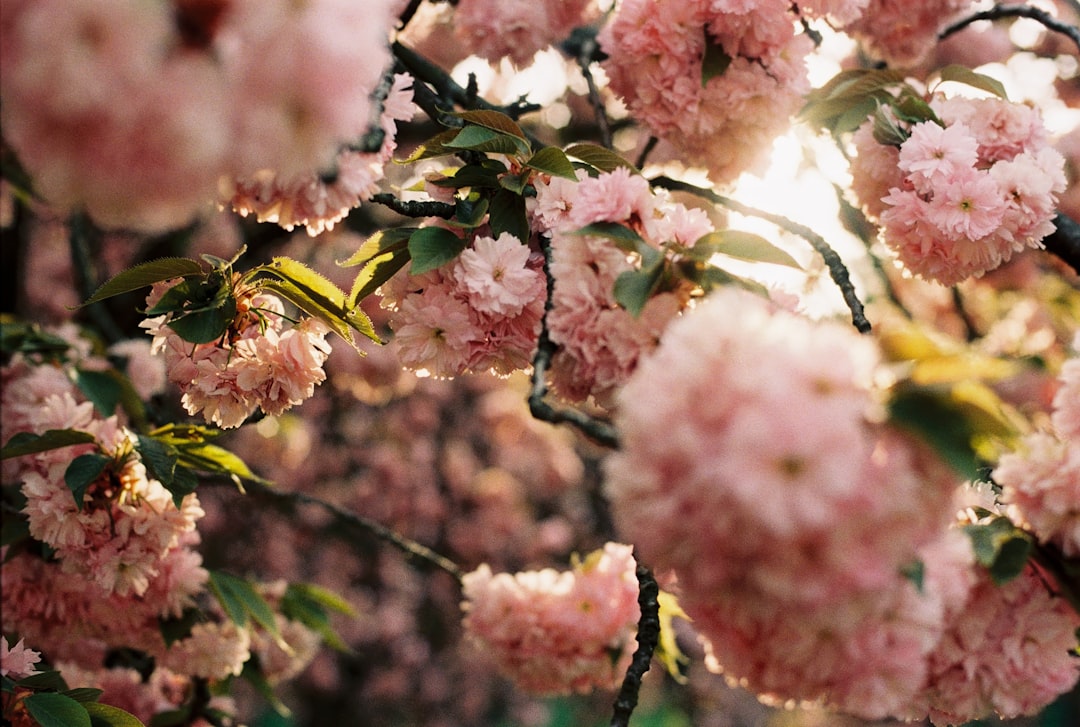
Cherry Blossom Alternatives: 6 Less-Crowded Spring Destinations in Asia for 2026
I love Japan’s sakura season—but I don’t love paying $400 a night for a business hotel and shuffling shoulder-to-shoulder through Ueno Park.
In 2025, Tokyo’s peak bloom week saw hotel prices jump 30–50%, and the most famous hanami spots felt more like commuter trains than flower viewing. So for 2026, I’m looking elsewhere in Asia—places with spring color, mild weather, and space to breathe.
Key Takeaways
- Visit Alishan (Taiwan) in late March for cherry blossoms with 50% fewer crowds than Kyoto.
- Jinhae, South Korea, offers festival blooms in early April with guesthouses from $60/night.
- Luang Prabang (Laos) in March averages 28°C and boutique hotels under $80/night.
- Sapa (Vietnam) is best late March–April for cool 15–22°C trekking weather.
- Paro Valley (Bhutan) delivers Himalayan spring blooms with daily tourist fees from $100.
Here are six spring destinations in Asia that deliver the magic—without the madness.
1. Alishan, Taiwan – Sakura Without the Selfie Sticks
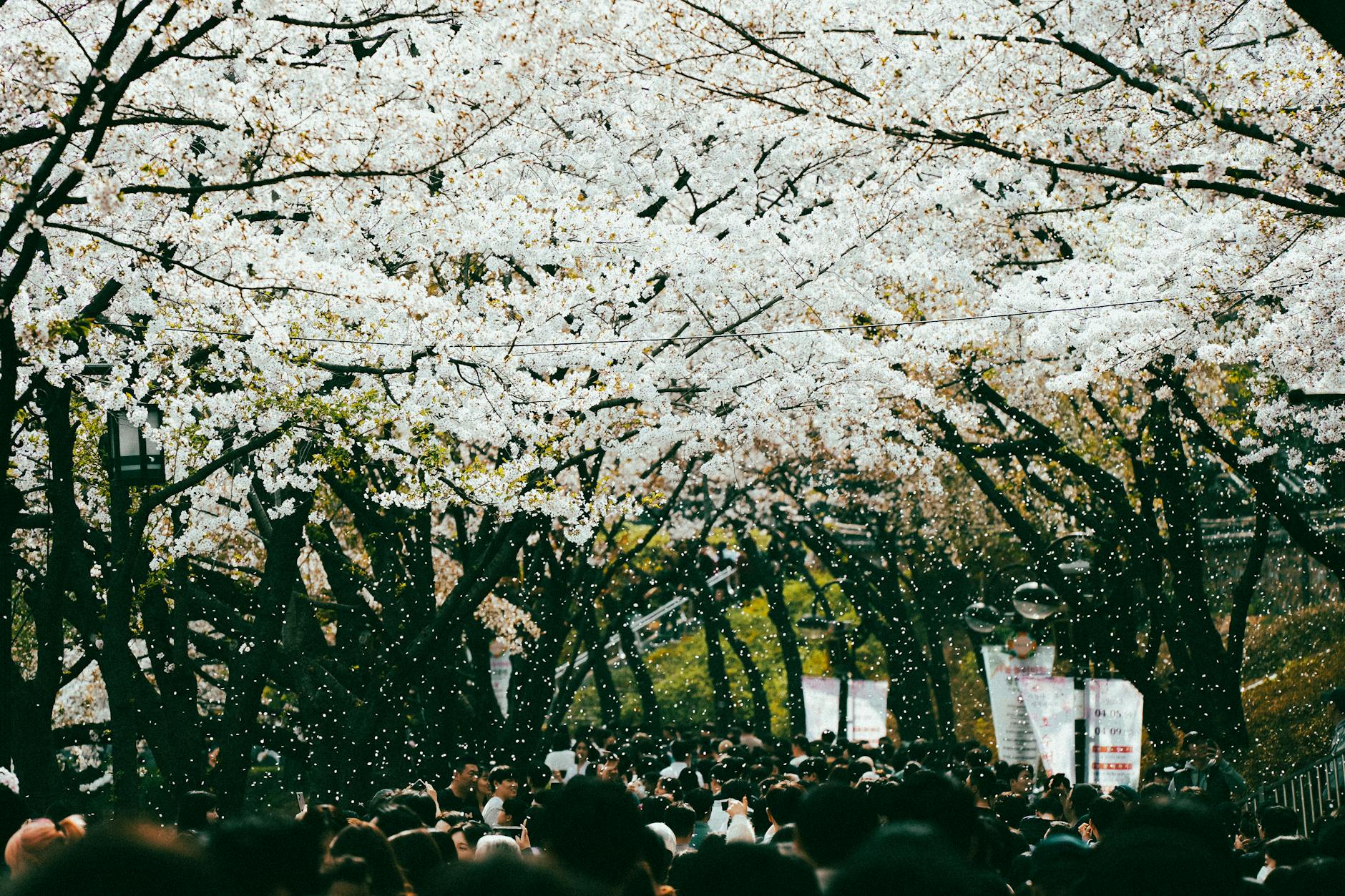
If you’re dead set on cherry blossoms but not on Kyoto crowds, go to Alishan. It’s a 2.5-hour train and bus ride from Chiayi, and late March to early April is peak bloom.
The Alishan National Scenic Area has over 3,000 cherry trees. On a weekday morning, I counted more hikers than influencers—which is exactly what you want.
Entry costs about NT$300 ($10). A clean mountain lodge runs $70–120 per night—half of what you’d pay in central Tokyo during peak sakura.
Pro tip: Stay overnight and catch the sunrise train (NT$150) to Zhushan. Watching pink blossoms glow against a sea of clouds is worth the 4:30 a.m. alarm.
If you’re still considering Japan, I’d steer you toward Tohoku’s late cherry blossom spots instead of Kyoto or Osaka. You’ll get the same beauty with breathing room.
2. Jinhae, South Korea – Festival Vibes, Smaller City
Yes, Jinhae has a cherry blossom festival. No, it’s not as chaotic as Tokyo.
The Gunhangje Festival (usually early April) transforms this naval town into a tunnel of blossoms, especially around Yeojwacheon Stream. Flights to Busan are often cheaper than Tokyo in spring—I’ve seen round-trips from the U.S. West Coast for $700–900.
From Busan, it’s about a 1-hour bus ride (₩6,000 / $5). Stay in Jinhae or nearby Changwon for $60–100 per night.
Avoid Seoul’s Yeouido Park during peak bloom—it’s beautiful, but it’s elbow-to-elbow. Jinhae feels festive but manageable.
3. Luang Prabang, Laos – Frangipani Instead of Cherry Blossoms
Who says spring travel in Asia has to mean sakura?
In March, Luang Prabang is warm (around 28°C / 82°F) but not yet in peak heat season. The town glows with frangipani blossoms, golden temples, and soft sunset light over the Mekong.
Boutique guesthouses in the UNESCO-listed old town start at $50–80 per night. A fantastic Laotian dinner—think laap and sticky rice—costs $5–10 at local spots.
Wake up at 5:30 a.m. for the alms-giving ceremony, then spend the afternoon at Kuang Si Waterfalls (about 45 minutes by tuk-tuk, $20 round-trip).
This is slow travel at its best. No tour buses. No megaphones. Just monks, mango trees, and time.
4. Sapa, Vietnam – Rice Terraces and Rhododendrons
If you prefer hiking boots to picnic blankets, Sapa in northern Vietnam is a spring dream.
Late March through April brings cool temperatures (15–22°C / 59–72°F) and clear trekking conditions. The hills start turning green again, and wildflowers dot the terraces.
An overnight train or bus from Hanoi takes 6–8 hours. A guided 2-day trek with homestay costs around $60–120, including meals.
Skip the most touristy Cat Cat Village and opt for longer treks toward Ta Van or Ban Ho. You’ll get fewer souvenir stalls and more real mountain life.
Bring layers and download offline Google Maps—signal can be patchy in the valleys.
5. Paro Valley, Bhutan – Himalayan Spring Air
Bhutan isn’t cheap, but it is uncrowded.
Since reopening tourism, Bhutan charges a Sustainable Development Fee (currently $100 per day as of 2026 updates). That keeps mass tourism away—and preserves the experience.
Spring (April–May) means blooming jacaranda and rhododendron trees against snow-dusted peaks. Hiking to Tiger’s Nest Monastery (about 4–5 hours round trip) feels spiritual, not staged.
Mid-range hotels in Paro start around $150–250 per night, often including breakfast. It’s a splurge—but compared to peak-season Kyoto luxury rates, it’s competitive.
This is the place you go when you want silence, not selfies.
6. Jiufen & Yangmingshan, Taiwan – Easy Add-On to Taipei
If you want something simple and accessible, base yourself in Taipei.
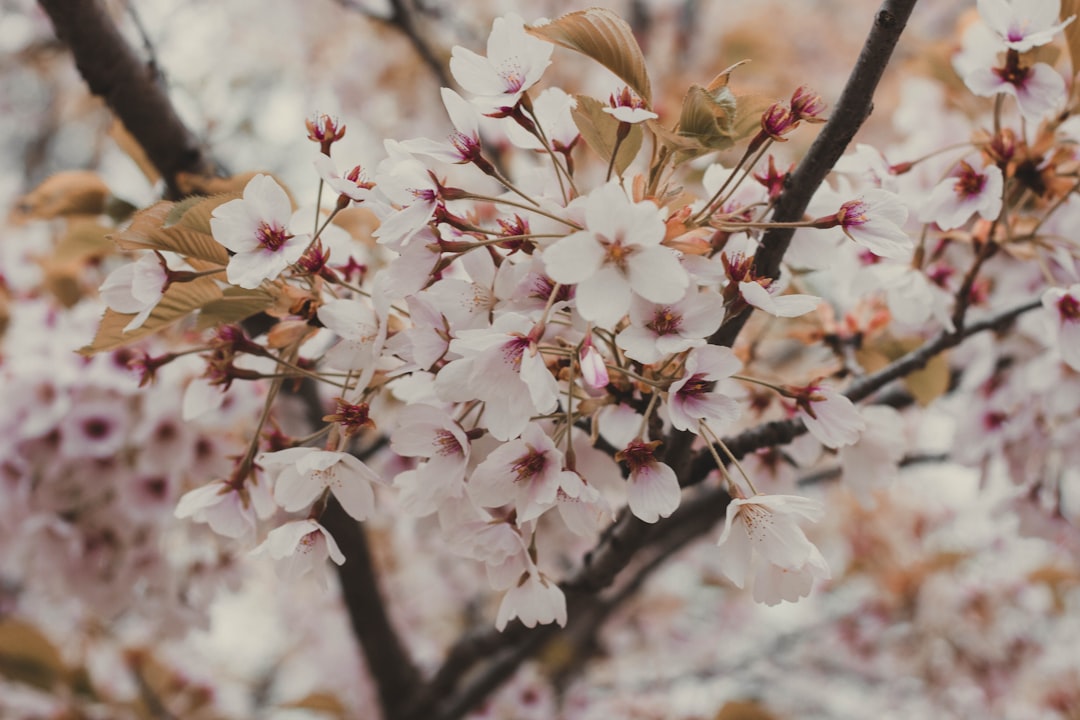
In spring, Yangmingshan National Park (about 30 minutes by bus from downtown) bursts with calla lilies and cherry blossoms—without Kyoto-level crowds. Entry is free.
Pair it with a day trip to Jiufen, the lantern-lit mountain town an hour from Taipei. Go early (before 10 a.m.) to avoid tour groups.
Taipei hotels range from $80–150 for stylish boutique stays. Public transport is cheap, clean, and easy with an EasyCard.
Practical Spring Travel Tips for Asia in 2026
- Book flights 3–5 months early: Spring fares spike fast, especially to Japan and Korea.
- Travel mid-week: Tuesday–Thursday stays can cut hotel costs by 15–25%.
- Use eSIMs: Airalo and regional Asia eSIMs start around $5–15 for 5–10GB.
- Check bloom forecasts: Taiwan and Korea release updates 2–4 weeks before peak.
- Avoid local holidays: Qingming Festival (China/Taiwan) and Golden Week (Japan) mean domestic travel surges.
If you’re set on iconic festivals, compare with events like Washington, D.C.’s cherry blossom celebration—but expect similar crowd dynamics in famous Asian hotspots.
So, Where Should You Go?
If you want classic cherry blossoms: choose Alishan or Jinhae.
If you want warm, cultural charm: Luang Prabang wins.
If you want mountain air and movement: Sapa or Paro.
If you want easy logistics and great food: Taipei + Yangmingshan.
Spring in Asia doesn’t have to mean fighting for a patch of picnic grass under one famous tree. In 2026, go where the flowers are—and where the crowds aren’t.
Planning your spring escape? Start comparing flight prices now, lock in refundable hotels, and build your itinerary around bloom windows—not Instagram trends.
Frequently Asked Questions
When is the best time to see cherry blossoms in Asia in 2026?
Late March to early April is peak for Taiwan and South Korea, while Japan varies from late March to mid-April depending on the region. Check local bloom forecasts 2–4 weeks before travel for accurate timing.
Are cherry blossom alternatives cheaper than Japan?
Generally, yes. Destinations like Taiwan, Vietnam, and Laos offer hotels from $50–120 per night, compared to $250–400 in major Japanese cities during peak bloom.
Is Bhutan worth the daily tourist fee?
If you value uncrowded trails and preserved culture, absolutely. The $100 daily Sustainable Development Fee limits overtourism and funds infrastructure and conservation.
What’s the least crowded cherry blossom spot in Asia?
Alishan in Taiwan and smaller cities like Jinhae in South Korea are far less crowded than Kyoto or Tokyo, especially if you visit on weekdays and avoid festival weekends.