



Budget Safari in Tanzania: How to Experience the Serengeti Without Luxury Prices
The word “Serengeti” often conjures images of lavish tented camps, private chefs, and five-figure price tags. But here’s the truth: you don’t need a luxury budget to witness the Great Migration, hear lions roar under a starlit sky, or watch elephants roam across golden plains. With smart planning, local insight, and a sense of adventure, a budget safari in Tanzania can be just as thrilling—without draining your savings.
If you’ve been dreaming of Africa but assumed it was financially out of reach, this guide will show you how to experience the Serengeti affordably, responsibly, and memorably.
1. Choose the Right Time to Travel
Timing can make or break your safari budget. Tanzania’s pricing fluctuates dramatically depending on the season, and choosing the right travel window can save you hundreds—sometimes thousands—of dollars.
High season (June to October) coincides with the dry season and peak wildlife viewing. It’s also when prices soar. Lodges fill up quickly, and park fees remain fixed, meaning your accommodation and transport costs will be the biggest expense.
Instead, consider the shoulder seasons:
- Late March to May: The “green season” offers lush landscapes and fewer tourists. While there are occasional rains, wildlife is still abundant.
- November to early December: Short rains bring dramatic skies and excellent photography opportunities at lower rates.
Even during the Great Migration, you don’t have to stay in ultra-luxury camps to witness the spectacle. The migration moves throughout the year, so by researching its pattern, you can position yourself strategically without paying peak northern Serengeti prices.
Pro Tip: Flying mid-week and booking months in advance can significantly reduce international airfare, freeing up more of your budget for experiences on the ground.
2. Book a Budget-Friendly Safari Package (Without Sacrificing Quality)
One of the biggest misconceptions about budget safaris is that they mean cramped vehicles, poor guides, and subpar experiences. In reality, many reputable local operators offer affordable packages that deliver incredible value.
Here’s how to keep costs down while maintaining quality:
- Travel in a group: Sharing a 4×4 vehicle and guide dramatically reduces per-person costs.
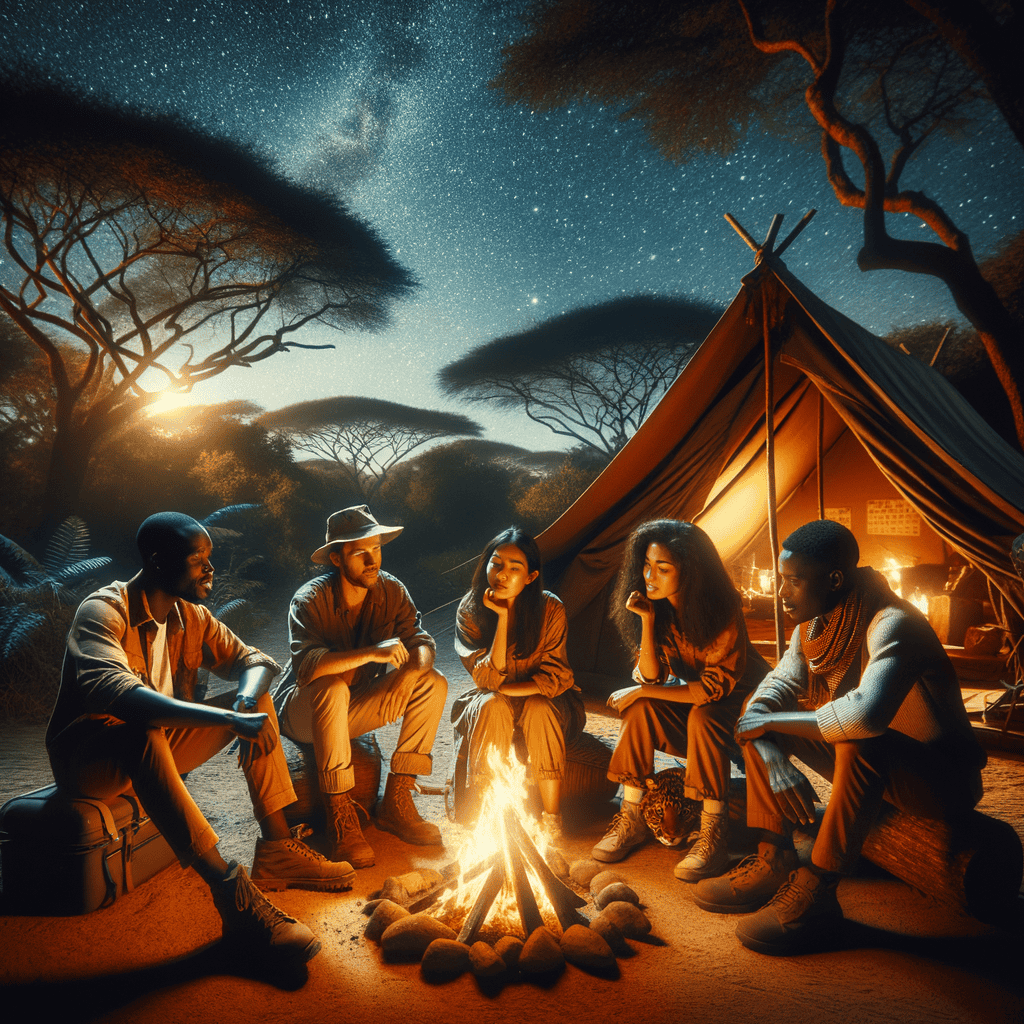
- Choose camping safaris: Public campsites inside or near the Serengeti are safe and well-managed. Many operators provide tents, sleeping mats, and even a cook.
- Book with local Tanzanian companies: They often have lower overhead costs than international agencies and provide authentic expertise.
- Limit internal flights: Overland transport from Arusha to Serengeti is far cheaper than bush flights.
A typical 3–4 day group camping safari can cost a fraction of a luxury lodge stay, while still including:
- Park entry fees
- Professional English-speaking guide
- Game drives in a 4×4 vehicle
- Meals and camping equipment
Before booking, always check reviews, confirm what’s included, and ensure the company is licensed. Transparency is key to avoiding hidden fees.
3. Stay Smart: Affordable Accommodation Options
You don’t need a private plunge pool to enjoy the Serengeti. In fact, staying closer to nature often enhances the experience.
Budget accommodation options include:
- Public campsites: Located inside the park, these offer unbeatable proximity to wildlife. Expect basic facilities—but unforgettable nights filled with animal sounds.
- Tented camps (budget category): These provide proper beds and en-suite bathrooms at a fraction of luxury rates.
- Lodges outside the park: Staying just beyond park boundaries in areas like Karatu or Ndutu can significantly reduce nightly costs.
If you’re comfortable with simple amenities, camping is the most cost-effective way to explore. Imagine sipping tea at sunrise while zebras graze nearby—no marble bathroom required.
Money-saving insight: Combining the Serengeti with nearby parks like Ngorongoro Crater or Tarangire National Park in a single itinerary reduces transport expenses and maximizes your wildlife viewing per dollar spent.
4. Plan Your Itinerary Strategically
The Serengeti is vast, and without careful planning, you could spend unnecessary money on logistics. A well-designed route keeps travel time efficient and your safari focused on wildlife.
Most budget safaris begin in Arusha, Tanzania’s safari hub. From there, an optimized northern circuit itinerary typically includes:
- Tarangire National Park (known for elephants and baobabs)
- Lake Manyara (tree-climbing lions and birdlife)
- Serengeti National Park (iconic plains and predators)
- Ngorongoro Crater (dense wildlife population)
By combining these parks in one continuous route, you avoid backtracking and save on fuel and guide fees.
Additional budget tips:
- Bring reusable water bottles to avoid buying drinks in the park.
- Pack essentials like sunscreen and snacks before entering remote areas.
- Limit optional add-ons like hot air balloon safaris if you’re prioritizing savings (though unforgettable, they can cost as much as an entire budget safari day).
Another overlooked strategy? Spend more time on fewer game drives. Quality over quantity. A sunrise and sunset drive often deliver better wildlife encounters than midday excursions.
5. Embrace the Adventure Mindset
A budget safari isn’t about cutting corners—it’s about prioritizing experience over extravagance.
Instead of infinity pools, you get vast open skies. Instead of air-conditioned suites, you fall asleep to hyenas calling in the distance. And instead of curated luxury, you experience Tanzania in a raw, authentic way.
Engage with your guide. Learn about Maasai culture. Ask questions about animal behavior. The depth of your safari will come not from thread count, but from curiosity and openness.
Remember: wildlife sightings are not determined by how much you pay. A lion crossing your path doesn’t know whether you’re staying in a five-star lodge or a canvas tent.
In fact, many seasoned travelers argue that budget safaris often feel more immersive and communal. Sharing stories around a campsite fire with fellow travelers can become one of the most cherished memories of your trip.
Conclusion: The Serengeti Is Closer Than You Think
The Serengeti doesn’t belong only to luxury travelers. It belongs to dreamers, adventurers, photographers, backpackers, and anyone willing to plan wisely and travel boldly.
By choosing the right season, booking with reputable local operators, opting for camping or budget lodges, and planning a strategic itinerary, you can experience Tanzania’s most iconic landscape without luxury prices.
The golden plains, thundering wildebeest herds, and unforgettable sunsets are waiting. Your budget doesn’t define your adventure—your willingness to take the leap does.
Ready to plan your budget safari in Tanzania? Start researching trusted local operators, compare seasonal rates, and take the first step toward standing in the heart of the Serengeti. Africa is calling—and it’s more affordable than you think.