


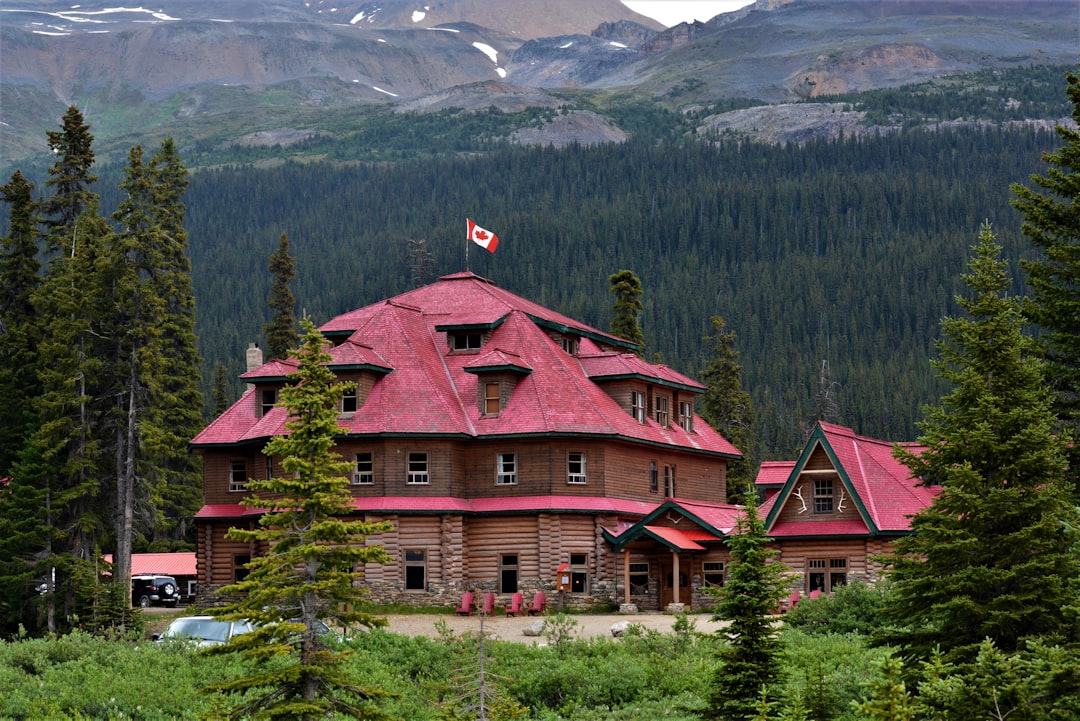
Banff National Park, Canada: The Ultimate Guide to the Canadian Rockies
If you’ve ever dreamed of standing before a turquoise lake so vivid it looks unreal, hiking through alpine meadows framed by jagged peaks, or spotting elk grazing at sunrise, Banff National Park is calling your name. Nestled in the heart of the Canadian Rockies in Alberta, Banff is Canada’s oldest national park—and arguably its most breathtaking.
But Banff is more than just postcard views. It’s a year-round adventure playground packed with scenic drives, wildlife encounters, world-class hiking, cozy mountain towns, and luxurious hot springs. Whether you’re planning a short getaway or a full Rockies road trip, this guide will help you make the most of your time in Banff National Park.
1. Iconic Lakes and Scenic Drives You Can’t Miss
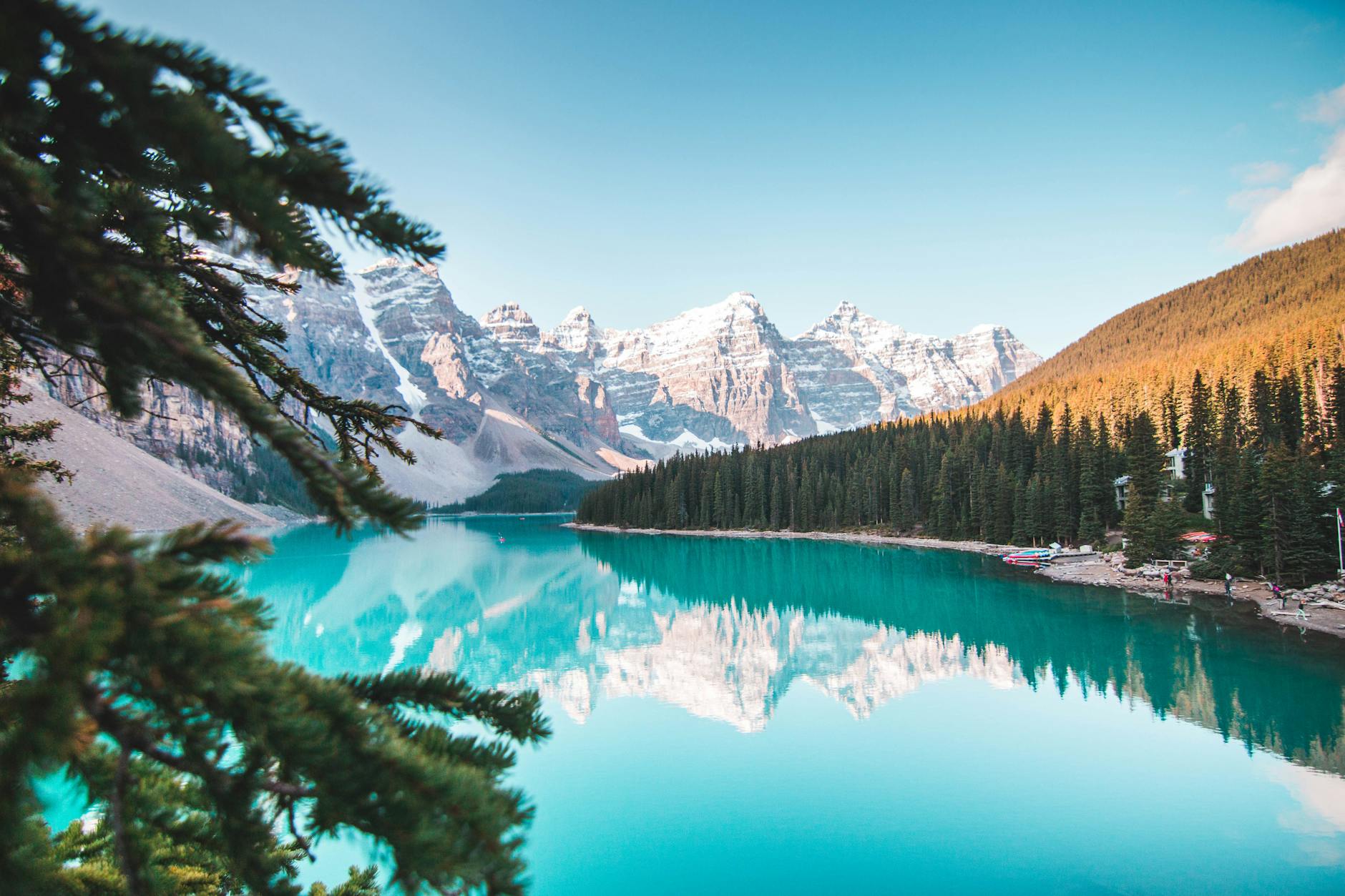
Banff is synonymous with brilliant blue lakes and dramatic mountain backdrops. The park’s glacial waters get their striking color from “rock flour”—fine particles created by glaciers that reflect sunlight in mesmerizing shades of turquoise.
Lake Louise is the crown jewel. Surrounded by towering peaks and the Victoria Glacier, it’s one of the most photographed places in Canada. Arrive early (before 8 a.m. in summer) to avoid crowds and secure parking. For a unique experience, rent a canoe and paddle across the glassy water.
Moraine Lake, located in the Valley of the Ten Peaks, is equally spectacular. Its intense blue hue feels almost surreal. Note that private vehicle access is restricted—use the Parks Canada shuttle or a guided tour to reach it.
For an unforgettable road trip, drive the Icefields Parkway from Lake Louise toward Jasper National Park. This 230-kilometer stretch is considered one of the most scenic highways in the world. Expect waterfalls, glaciers, and wildlife sightings along the way.
Practical Tips:
- Book shuttle tickets to Lake Louise and Moraine Lake well in advance during peak season (June–September).
- Fuel up before long drives—gas stations are limited inside the park.
- Download offline maps, as cell service can be unreliable.
- Pack layers; mountain weather can change quickly, even in summer.
2. Hiking Adventures for Every Skill Level
Banff National Park offers over 1,600 kilometers of trails, ranging from easy lakeside strolls to challenging alpine ascents. No matter your fitness level, there’s a hike here with your name on it.
For beginners or families, try the Fenland Trail near Banff town. It’s a short, peaceful loop through forest and marshland, perfect for a relaxed walk.
If you’re up for moderate adventure, hike to the Lake Agnes Tea House from Lake Louise. The trail climbs steadily through forest and rewards you with panoramic views and a charming mountain tea house where you can enjoy a well-earned treat.
Experienced hikers should consider Plain of Six Glaciers or Larch Valley (especially stunning in autumn when the larches turn golden). For serious elevation gain and jaw-dropping views, tackle Cascade Mountain or Mount Temple—but only with proper preparation.
Practical Tips:
- Check trail conditions daily at Parks Canada visitor centers.
- Carry bear spray and know how to use it—this is wild habitat.
- Start hikes early to avoid afternoon storms and crowds.
- Wear sturdy footwear and bring more water than you think you’ll need.
3. Wildlife, Seasons, and When to Visit
One of Banff’s greatest thrills is the chance to see wildlife in its natural habitat. Elk, deer, bighorn sheep, mountain goats, black bears, and even grizzlies roam the park.
Spring and early summer are prime times for animal sightings, especially along the Bow Valley Parkway. Autumn brings elk rutting season, when males can be heard bugling across the valleys—a truly unforgettable sound.
Each season in Banff offers a distinct experience:
- Summer (June–September): Ideal for hiking, canoeing, and scenic drives. Expect long daylight hours and peak visitor numbers.
- Fall (September–October): Fewer crowds and golden larch trees make this a photographer’s dream.
- Winter (November–March): A snowy wonderland perfect for skiing, snowboarding, and soaking in hot springs.
- Spring (April–May): A quieter shoulder season with melting snow and active wildlife.
In winter, Banff transforms into a ski paradise. Resorts like Sunshine Village and Lake Louise Ski Resort offer world-class slopes with stunning alpine views. After a cold day outside, warm up at the Banff Upper Hot Springs, where you can soak in mineral-rich waters while gazing at snow-covered peaks.
Practical Tips:
- Keep a safe distance from wildlife—at least 30 meters for most animals and 100 meters for bears.
- Never feed animals; it’s dangerous for both you and them.
- Book accommodations months ahead for summer visits.
- Check weather forecasts frequently, especially in winter driving conditions.
4. Where to Stay, Eat, and Explore in Banff Town
The town of Banff is the vibrant heart of the park. Though small, it’s packed with restaurants, boutique shops, galleries, and cozy lodges. It’s also a great base for exploring surrounding attractions.
For luxury, the iconic Fairmont Banff Springs—often called the “Castle in the Rockies”—offers historic elegance and stunning views. Mid-range travelers will find plenty of comfortable hotels and inns, while budget visitors can choose from hostels or campgrounds within the park.
Food in Banff is surprisingly diverse. From hearty Canadian comfort dishes to international cuisine, you’ll find something for every craving. Try Alberta beef, fresh trout, or a classic poutine after a long hike.
Beyond the lakes and trails, don’t miss these experiences:
- Banff Gondola: Ride to the summit of Sulphur Mountain for panoramic views.
- Bow Falls: An easy stop near town with impressive cascades.
- Cave and Basin National Historic Site: Learn about the birthplace of Canada’s national parks.
- Johnston Canyon: A family-friendly walk to dramatic waterfalls.
Practical Tips:
- Purchase a Parks Canada pass before entering the park.
- Use public transit or shuttles to reduce parking stress.
- Make dinner reservations in advance during high season.
- Support local businesses for unique souvenirs and experiences.
Conclusion: Start Planning Your Banff Adventure
Banff National Park is more than a destination—it’s a feeling. It’s the hush of pine forests at dawn, the crunch of snow beneath your boots, the shimmer of glacial lakes under a summer sun. Whether you’re chasing adventure on a mountain trail, unwinding in hot springs, or simply soaking in the scenery, Banff delivers moments you’ll carry with you long after you leave.
If the Canadian Rockies are on your bucket list, now is the time to turn that dream into a plan. Book early, pack smart, and prepare for an unforgettable journey into one of the most beautiful landscapes on Earth. Banff is waiting—are you ready to explore it?