


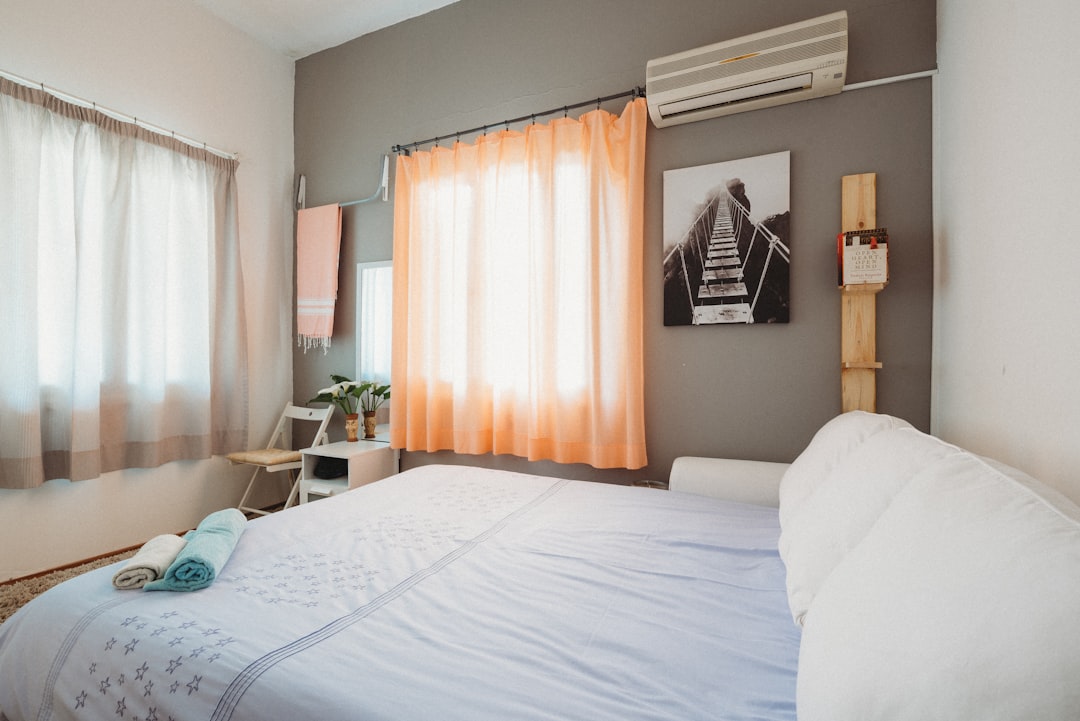
Airbnb and Short-Term Rentals in Italy: More Than Just a Place to Stay
Italy has always been a dream destination — rolling Tuscan hills, Roman ruins at sunset, Venetian canals glowing under golden light. But in recent years, something else has been quietly reshaping the Italian travel experience: the explosive rise of Airbnb and short-term rentals. And here’s the twist — they’re no longer just for tourists.
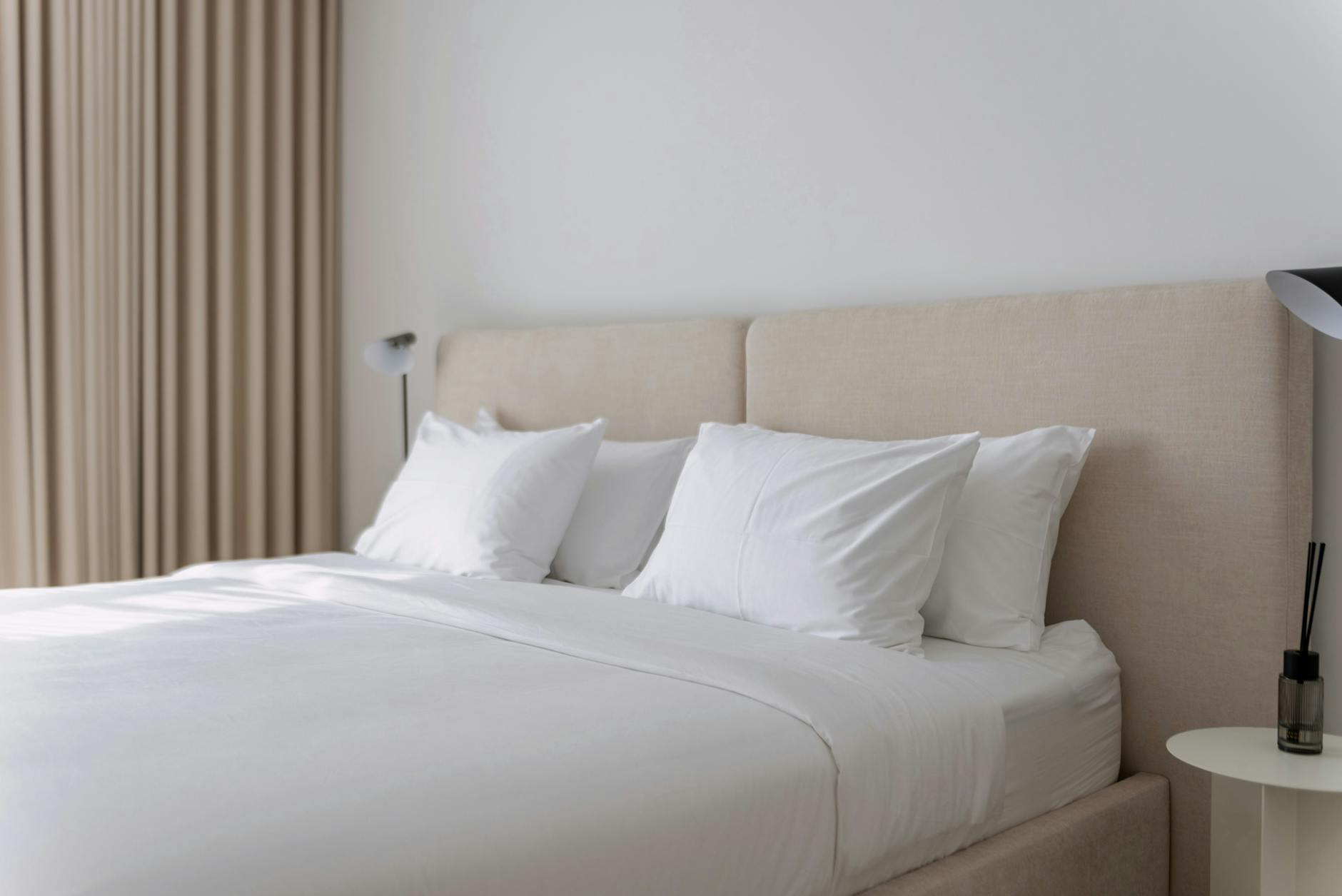
Across Italy, short-term rentals are evolving into flexible living spaces for digital nomads, remote workers, students, relocating professionals, and even locals seeking temporary solutions. If you think Airbnb in Italy is only about holiday apartments near the Colosseum, think again. Let’s explore how this trend is transforming the way people live, work, and move across the country — and how you can take advantage of it.
1. The Rise of Flexible Living in Italy
Remote work has changed everything. With more professionals working from laptops rather than offices, Italy has become a prime destination for medium-term stays. Cities like Milan, Florence, Bologna, and even smaller hubs like Lecce and Palermo are seeing a surge in month-long (or longer) Airbnb bookings.
Why? Because short-term rentals offer something traditional leases often can’t: flexibility.
- No long bureaucratic contracts
- Fully furnished apartments
- Utilities and Wi-Fi included
- Easy online booking
- Flexible cancellation policies
For digital nomads and remote workers, this eliminates the common hurdles of renting in Italy — language barriers, guarantor requirements, and long-term commitments.
Practical tip: If you’re planning to stay for more than 28 days, filter listings by “monthly discount.” Many hosts offer 20–40% off for extended stays, making Airbnb competitive with traditional rentals.
Pro move: Search for listings outside historic city centers. Neighborhoods like Milan’s Isola, Rome’s Pigneto, or Florence’s Campo di Marte offer better value, stronger Wi-Fi, and a more authentic daily-life experience.
2. Airbnb as a Relocation Bridge
Italy’s property market can be complex, especially for foreigners. Between residency paperwork, tax codes (codice fiscale), and rental contracts, settling into a long-term home takes time. That’s where short-term rentals come in — acting as a transitional bridge.
Many expats and international professionals now use Airbnb as a temporary base while they:
- Search for permanent housing
- Complete residency applications
- Wait for furniture delivery
- Explore neighborhoods before committing
This trend is particularly strong in cities with growing international communities, such as Milan (finance and fashion), Rome (international organizations), and Bologna (academia and startups).
Short-term rentals allow newcomers to “test drive” different areas before signing a 3+2 or 4+4 Italian lease contract.
Practical tip: If you’re relocating, book your first stay for 2–4 weeks. Once in Italy, you can often negotiate directly with hosts for longer extensions at a reduced rate.
Important: Always confirm whether the host can provide a rental declaration (dichiarazione di ospitalità) if you need it for visa or residency processes.
3. Students and Hybrid Workers Are Driving Demand
Italy hosts some of Europe’s oldest and most prestigious universities — from Sapienza in Rome to Politecnico di Milano and the University of Bologna. But student housing shortages are becoming increasingly common.
Short-term rentals are stepping in to fill the gap.
International students arriving for exchange programs or short master’s courses often choose Airbnb for their first semester. It’s quicker, safer, and less paperwork-heavy than navigating local rental listings.
Meanwhile, hybrid workers — professionals splitting time between countries — are also fueling demand. Someone might spend three months in Milan, then return home, then come back for a seasonal contract. Airbnb perfectly supports this flexible lifestyle.
Practical tip: If you’re a student, look for listings that include a registered rental contract option if you need proof of address for university enrollment.
Budget tip: Consider smaller cities like Turin, Padua, or Parma. They offer excellent universities, lower rental prices, and less competition compared to Rome or Milan.
4. How Local Italians Are Using Short-Term Rentals
It’s not just foreigners driving the trend. Italians themselves are increasingly using short-term rentals within their own country.
Here’s how:
- Temporary housing during home renovations
- Short stays for medical treatments in larger cities
- Work assignments in another region
- Seasonal relocation (e.g., spending summer by the sea while renting out their city apartment)
In fact, some Italians are leveraging Airbnb in two directions — renting out their primary home during peak tourist seasons while temporarily moving into a smaller rental elsewhere.
This internal mobility is especially visible in cities like Florence, Venice, and Naples, where tourism creates seasonal income opportunities.
Practical tip: If you’re considering listing your property, research local regulations carefully. Cities such as Florence and Rome have introduced stricter rules on short-term rental registrations and tourist taxes.
Smart strategy: Medium-term rentals (30–90 days) often face fewer restrictions than nightly tourist rentals and attract a more stable tenant profile.
What This Means for Travelers and Future Residents
The rise of Airbnb and short-term rentals in Italy is reshaping the housing landscape. While it has sparked debates about affordability and regulation, it has undeniably created new opportunities for mobility and lifestyle flexibility.
For travelers, this means:
- More unique stays in residential neighborhoods
- Opportunities to live like a local
- Access to lesser-known towns beyond tourist hotspots
For remote workers and relocating professionals, it means Italy is more accessible than ever. You can test life in Florence for a month, try Milan for a season, or spend a winter working from Sicily — all without committing to a long-term lease.
But flexibility comes with responsibility. As regulations tighten in major cities, both hosts and guests must stay informed about local laws, registration requirements, and tax rules.
How to Make the Most of Short-Term Rentals in Italy
Whether you’re visiting for two weeks or two months, here’s how to approach the market strategically:
- Book early for peak seasons (May–September)
- Check Wi-Fi speeds if you’re working remotely
- Read reviews carefully for noise and building conditions
- Ask about heating and air conditioning — older Italian buildings vary widely
- Understand city regulations if you’re planning a longer stay
Italy’s charm lies not only in its monuments and museums but in its neighborhoods, markets, and everyday rhythms. Short-term rentals offer a gateway into that daily life — whether you’re a traveler, a student, a remote worker, or someone testing the waters of relocation.
Conclusion: Italy’s New Way of Living
Airbnb and short-term rentals in Italy are no longer just about tourism. They represent a broader shift toward flexible living, cross-border mobility, and lifestyle-driven choices. From digital nomads working under Tuscan skies to students navigating historic university towns, the model is redefining how people experience Italy.
If you’ve been dreaming about spending more than just a vacation in Italy, now might be the perfect time to explore your options. Research neighborhoods, compare monthly discounts, and think beyond the typical tourist stay.
Italy isn’t just a place to visit anymore — it’s a place you can temporarily call home.
Ready to plan your Italian stay? Start exploring flexible rental options, compare neighborhoods, and design a living experience that matches your lifestyle — not just your itinerary.