



9 Hotels Around the World Where Natural Hot Springs Are the Main Amenity
There’s something almost magical about sinking into a pool of naturally heated mineral water while mountains, forests, deserts, or glaciers rise around you. Long before modern spas, people traveled for days—sometimes weeks—to soak in thermal springs believed to heal the body and calm the mind. Today, some of the world’s most unforgettable hotels are built around these geothermal wonders. In these destinations, the hot springs aren’t just an extra perk—they’re the main event.
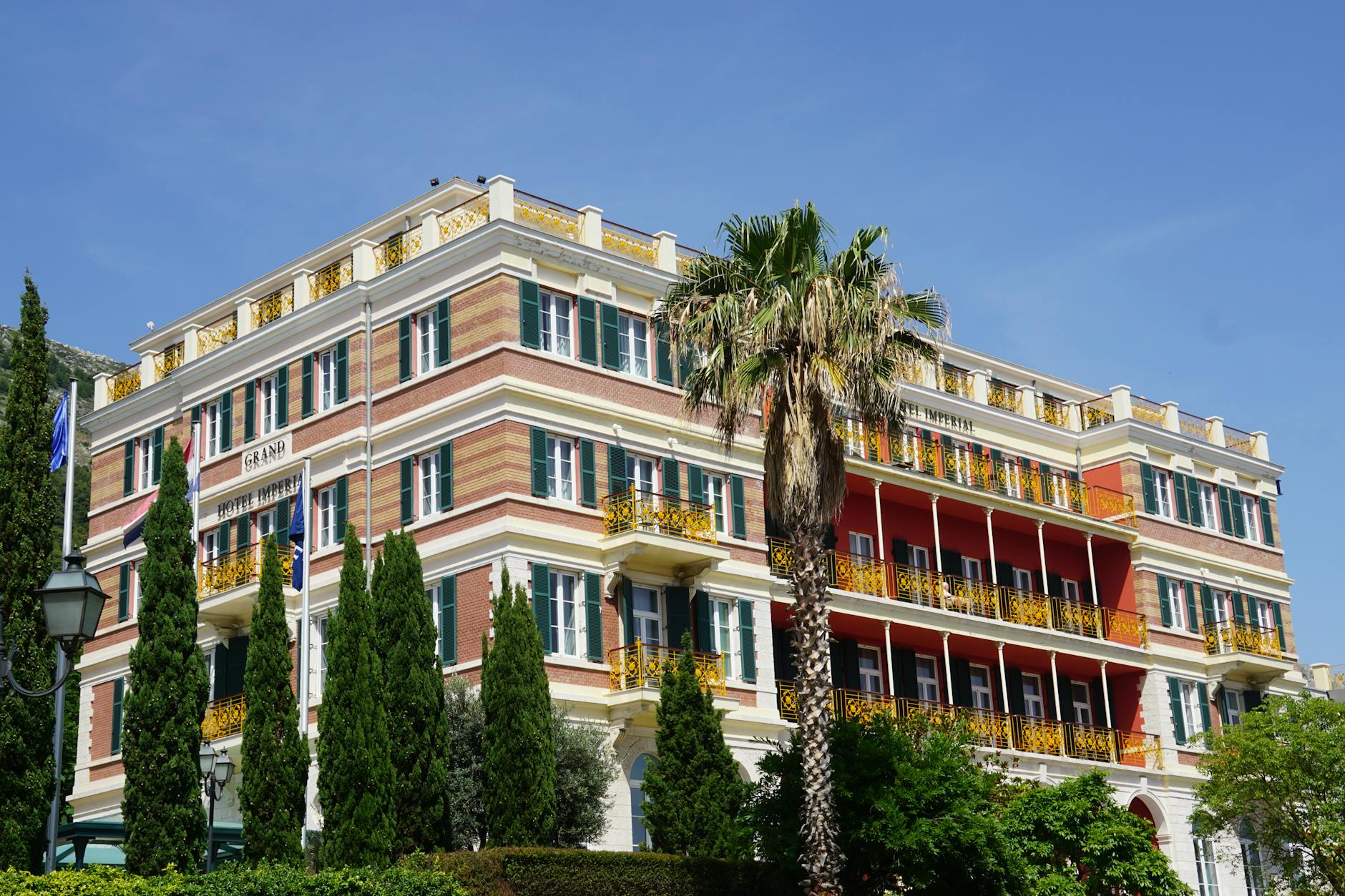
If you’re dreaming of a wellness-focused getaway with a sense of place, here are nine extraordinary hotels around the world where natural hot springs take center stage—and how to plan your stay for maximum relaxation.
1. Nordic & Arctic Escapes: Soaking Under the Northern Sky
Few experiences rival sliding into steaming water while icy air nips at your cheeks. In Northern Europe, hot springs and geothermal lagoons are woven into everyday life.
The Retreat at Blue Lagoon – Iceland
Built into an 800-year-old lava field, this luxury hotel offers private access to the mineral-rich Blue Lagoon. Guests enjoy exclusive bathing areas, in-water massages, and silica mud rituals. The milky-blue geothermal seawater is naturally heated and replenished every 48 hours.
Arctic Bath – Swedish Lapland
Floating on the Lule River, Arctic Bath pairs cold plunges with hot saunas and warm outdoor pools. While not a traditional bubbling spring, the experience is rooted in the region’s natural thermal traditions and contrasts of extreme temperatures.
Practical Tips:
- Visit Iceland in shoulder seasons (May or September) for fewer crowds and better rates.
- Book spa treatments weeks in advance—prime soaking times fill quickly.
- Alternate between hot pools and cold air or plunges to boost circulation and energy.
2. Mountain Sanctuaries: Alpine and High-Altitude Healing
There’s something deeply grounding about soaking in thermal waters surrounded by dramatic peaks. Mountain hot springs often contain minerals like sulfur and magnesium, long associated with muscle recovery and stress relief.
Grand Resort Bad Ragaz – Switzerland
Fed by the Tamina Gorge’s 100°F (37.5°C) thermal waters, this five-star resort has attracted wellness seekers since the 19th century. Its sprawling spa complex blends medical expertise with luxurious soaking rituals.
Hotel Termas Geométricas – Chile
Nestled in Villarrica National Park, this architectural gem features striking red walkways connecting more than 15 natural hot spring pools tucked into a lush canyon.
Ten Thousand Waves – Santa Fe, USA
Inspired by Japanese onsen traditions, this mountain retreat offers private outdoor soaking tubs fed by mineral-rich waters. Snowfall in winter transforms the setting into a tranquil alpine dream.
Practical Tips:
- Hydrate consistently—thermal bathing at altitude can be dehydrating.
- Soak for 15–20 minutes at a time, then rest before re-entering.
- In mountain regions, check seasonal access; some roads close during heavy snow.
3. Desert & Volcanic Wonders: Earth’s Power on Display
In volcanic and desert landscapes, geothermal energy rises dramatically to the surface, creating surreal bathing environments that feel almost otherworldly.
Tabacón Thermal Resort & Spa – Costa Rica
At the base of Arenal Volcano, Tabacón’s naturally flowing thermal river winds through lush rainforest. Unlike artificially heated pools, these springs are powered entirely by underground volcanic activity.
Dunton Hot Springs – Colorado, USA
This restored ghost town turned luxury resort features several distinct natural hot springs—some indoors, others under open skies. The rustic setting adds to the sense of stepping back in time.
Amangiri (with nearby Aman Spa) – Utah, USA
While known for its sleek desert design, Amangiri’s spa incorporates water therapies inspired by Navajo healing traditions, with access to regional mineral waters and soaking pavilions set against sandstone cliffs.
Practical Tips:
- Bring lightweight layers—desert temperatures swing dramatically from day to night.
- Check whether springs are clothing-optional; policies vary by country and property.
- Use reef-safe or mineral sunscreen in outdoor pools to protect natural ecosystems.
4. Asian Traditions & Island Retreats: Ritual, Culture, and Renewal
In many parts of Asia, hot spring bathing is more than relaxation—it’s ritual. From Japanese onsen etiquette to mineral pools overlooking tropical coastlines, these hotels combine cultural immersion with natural therapy.
Nishimuraya Honkan – Kinosaki Onsen, Japan
This historic ryokan offers refined tatami rooms and kaiseki dining, along with access to the town’s seven public hot springs. Bathing here follows traditional customs, including washing before entering pools and often bathing nude (gender-separated).
Hoshino Resorts Kai Hakone – Japan
Overlooking Lake Ashi, this contemporary ryokan channels centuries-old onsen culture. Guests soak in mineral waters drawn from deep underground sources known for their skin-softening properties.
Palia Kameni Suites – Santorini, Greece
Located near volcanic islets, this boutique stay offers boat access to warm sulfuric springs in the Aegean Sea. The mineral-rich waters are famed for their therapeutic qualities—and their dramatic rust-colored hues.
Practical Tips:
- In Japan, tattoos may require covering; check policies in advance.
- Learn basic onsen etiquette to avoid awkward moments.
- For island hot springs, confirm sea conditions before planning boat excursions.
How to Choose the Right Hot Spring Hotel
Not all hot spring experiences are created equal. When selecting your stay, consider these factors:
- Water source: Is it naturally flowing or artificially heated mineral water?
- Private vs. public access: Some properties offer exclusive pools, others share with day visitors.
- Temperature range: Pools can vary from 95°F to over 108°F (35–42°C).
- Health considerations: If pregnant or managing heart conditions, consult a doctor before soaking.
- Sustainability practices: Look for resorts that responsibly manage geothermal resources.
For the best experience, plan at least two nights. Your body often needs a full day to unwind and adapt to the mineral waters. By day two, stress melts faster, sleep deepens, and muscles feel noticeably looser.
When to Go for the Ultimate Soak
Hot springs are a year-round pleasure, but the atmosphere shifts with the seasons:
- Winter: Dramatic steam against snowy backdrops (ideal in Iceland, Switzerland, Colorado, and Japan).
- Spring & Fall: Fewer crowds and moderate temperatures.
- Rainy Season Tropics: Lush scenery, powerful river flow, and lower rates in places like Costa Rica.
Sunrise and late evening are often the most tranquil times to soak—especially in popular destinations.
Conclusion: Let the Water Lead the Way
From Iceland’s lava fields to Japan’s ancient onsen towns and Costa Rica’s volcanic rainforests, these nine hotels prove that sometimes the greatest luxury isn’t a marble lobby or a rooftop bar—it’s water rising from the earth, exactly as nature intended.
If you’re craving a trip that restores both body and perspective, let natural hot springs guide your next adventure. Choose your climate, pack your swimsuit (and maybe a good book), and allow the planet’s geothermal heartbeat to do the rest.
Ready to plan your escape? Explore more expert-curated travel guides on Distratech and start mapping out your next unforgettable soak.