


7 Wonders of Southeast Asia for 2026, From Thailand to the Philippines
Southeast Asia has always been a magnet for travelers chasing turquoise waters, ancient temples, and unforgettable street food. But 2026 is shaping up to be an especially exciting year to explore the region. With improved infrastructure, new sustainable tourism initiatives, and easier regional connections, it’s never been more accessible—or more inspiring.
From the limestone cliffs of Thailand to the surreal lagoons of the Philippines, these seven wonders showcase the best of Southeast Asia right now. Whether you’re planning a once-in-a-lifetime adventure or a slow, immersive journey, this guide will help you make it happen.
1. Thailand’s Phi Phi Islands & 2. Vietnam’s Ha Long Bay: Limestone Legends
No list of Southeast Asia wonders is complete without its iconic karst landscapes. In 2026, both Thailand and Vietnam continue to lead the way in balancing tourism with conservation.
Phi Phi Islands, Thailand offer cinematic beauty—think Maya Bay’s luminous waters and towering limestone cliffs rising straight from the Andaman Sea. After temporary closures in past years to allow marine ecosystems to recover, the area is now better regulated, with visitor caps and eco-friendly boating rules.
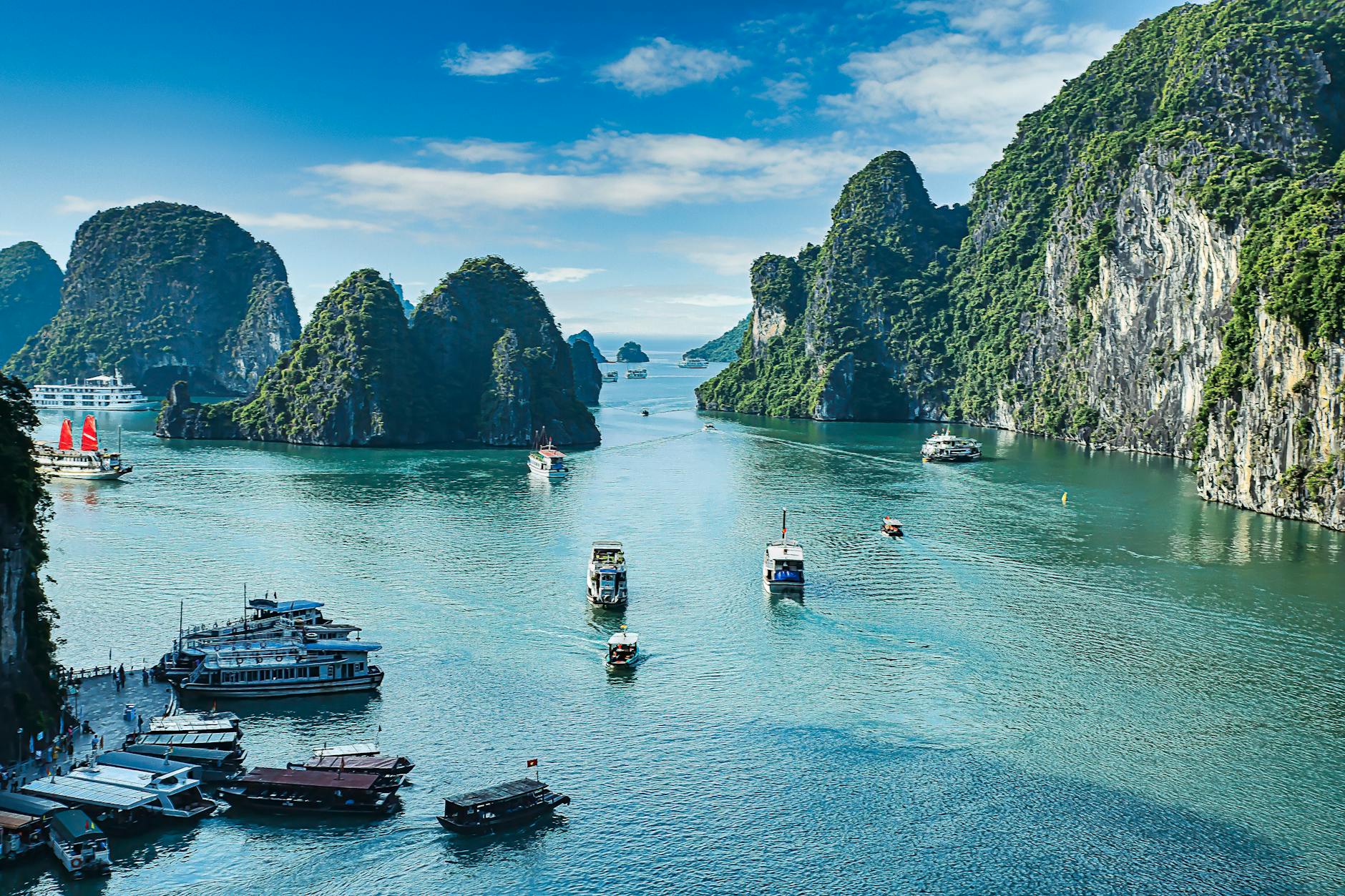
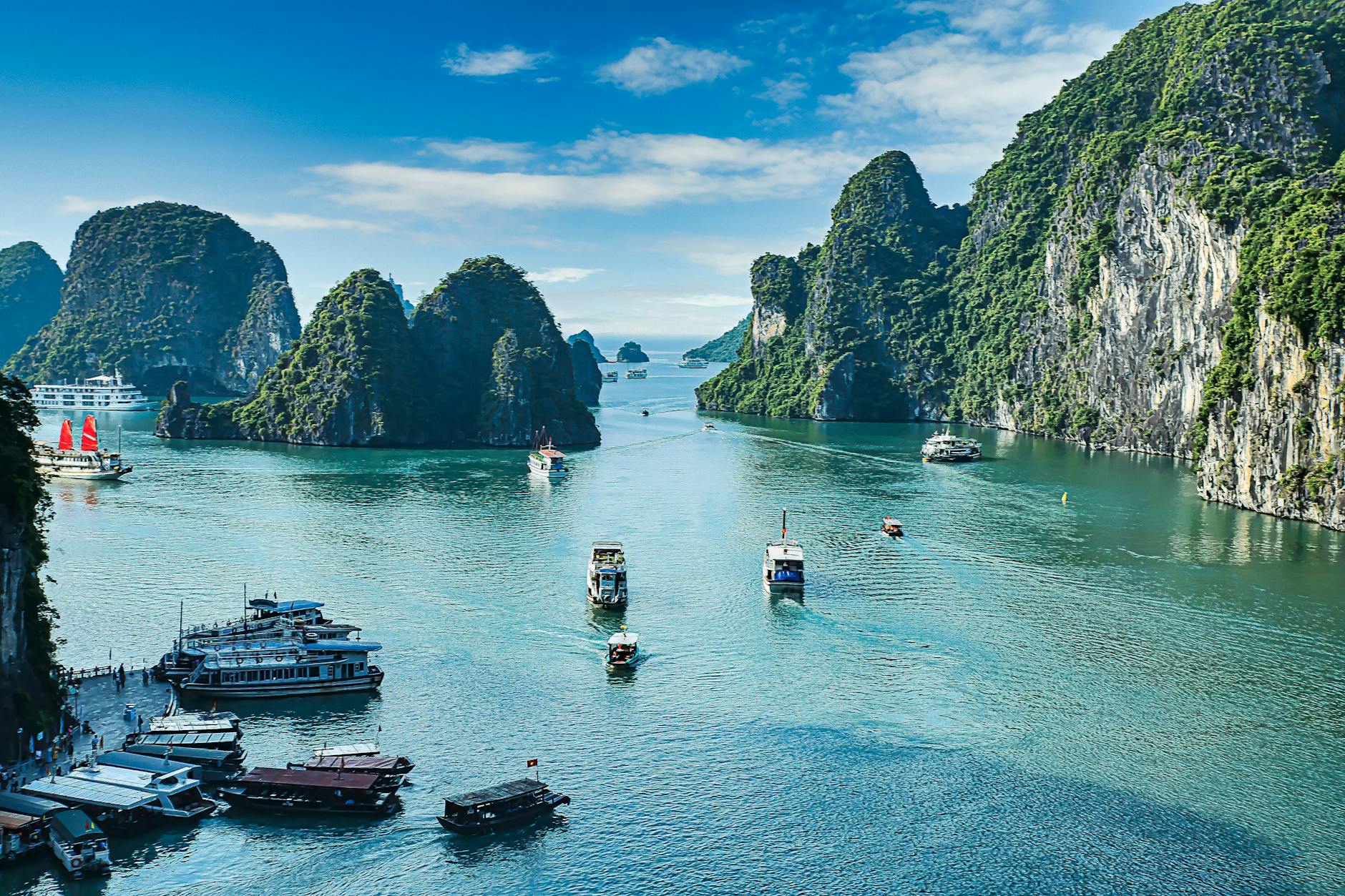
Ha Long Bay, Vietnam, a UNESCO World Heritage Site, feels like stepping into a mythical painting. Thousands of forest-topped limestone pillars emerge from emerald waters, best explored by overnight cruise or kayak.
Practical Tips:
- Visit between November and April for the best weather in both destinations.
- Book eco-certified tour operators to minimize environmental impact.
- In Ha Long Bay, opt for a 2-day/1-night cruise to experience sunrise and sunset away from day-trip crowds.
- From Phuket or Krabi, start early (before 8 a.m.) to enjoy Phi Phi with fewer boats.
These limestone legends are more than Instagram backdrops—they’re reminders of how nature and responsible tourism can coexist.
3. Angkor Wat, Cambodia & 4. Bagan, Myanmar: Ancient Cities of Wonder
If you’re drawn to history and architecture, Southeast Asia’s ancient temple complexes will leave you speechless.
Angkor Wat in Siem Reap, Cambodia, remains the largest religious monument in the world. Watching the sun rise behind its lotus-shaped towers is a bucket-list experience. Beyond the main temple, the Angkor Archaeological Park spans hundreds of square kilometers filled with jungle-clad ruins like Ta Prohm and Bayon.
Bagan, Myanmar, with over 2,000 surviving temples scattered across a vast plain, offers a more serene but equally awe-inspiring atmosphere. Although tourism has fluctuated in recent years, carefully planned visits with reputable local guides contribute directly to communities.
Practical Tips:
- Purchase multi-day passes (3 days in Angkor is ideal) to explore beyond the headline sites.
- Hire a knowledgeable local guide to understand the history and symbolism of the temples.
- Dress modestly—covered shoulders and knees are required in sacred areas.
- In Bagan, explore by e-bike for flexibility and cooler early-morning rides.
These ancient cities aren’t just ruins—they’re living cultural treasures that connect you to centuries of Southeast Asian civilization.
5. El Nido & Coron, Philippines: Island Dreams Redefined
The Philippines, with over 7,000 islands, delivers some of the most spectacular seascapes on the planet. In 2026, improved ferry systems and expanded regional airports are making Palawan’s crown jewels—El Nido and Coron—more accessible than ever.
El Nido stuns with hidden lagoons, dramatic cliffs, and powdery beaches. Coron is famed for its crystal-clear lakes and World War II shipwreck dive sites. Both destinations have implemented sustainable tourism measures, including visitor limits and environmental fees to protect fragile ecosystems.
Practical Tips:
- Book island-hopping tours (A, B, C, or D in El Nido) based on your interests—lagoons, snorkeling, or remote beaches.
- Bring reef-safe sunscreen to protect coral systems.
- Allow at least 3–4 days per location to avoid rushing.
- Travel during the dry season (December to May) for calmer seas.
If you’re chasing that “untouched paradise” feeling in 2026, Palawan is as close as it gets.
6. Bali’s Cultural Heart & 7. Singapore’s Gardens by the Bay: Tradition Meets Futurism
Southeast Asia’s magic lies in its contrasts. Nowhere is that clearer than in Indonesia and Singapore.
Bali, Indonesia, remains one of the world’s most beloved destinations—but venture beyond the party scenes of Kuta and Seminyak. Head to Ubud for terraced rice fields, traditional dance performances, and sacred temples like Tirta Empul. In 2026, Bali continues pushing sustainable tourism, with eco-lodges and community-based experiences on the rise.
Then there’s Gardens by the Bay in Singapore, a futuristic marvel that feels worlds away from ancient temples and tropical jungles. The Supertree Grove lights up each night in a dazzling display, while the Cloud Forest dome houses a misty indoor waterfall and rare plant species.
Practical Tips:
- In Bali, rent a scooter only if you’re confident driving; otherwise hire a local driver for day trips.
- Respect local customs—never step on offerings placed on sidewalks.
- In Singapore, buy tickets online for Gardens by the Bay to skip queues.
- Combine your visit with Marina Bay Sands and the Merlion for a full day of exploration.
From Bali’s spiritual traditions to Singapore’s cutting-edge urban vision, these destinations highlight Southeast Asia’s dynamic evolution.
Planning Your 2026 Southeast Asia Adventure
One of the greatest advantages of traveling in Southeast Asia is how easily you can combine multiple countries into one seamless itinerary. Budget airlines, improved rail links, and visa-friendly policies for many nationalities make cross-border travel simpler than ever.
Here’s how to maximize your journey:
- Plan around weather patterns—monsoon seasons vary by country.
- Use regional hubs like Bangkok and Singapore for affordable flight connections.
- Purchase travel insurance that covers adventure activities such as diving or motorbiking.
- Support local businesses—eat at family-run restaurants and book locally owned tours.
Southeast Asia in 2026 isn’t just about ticking landmarks off a list. It’s about meaningful travel—connecting with communities, respecting nature, and experiencing a region that balances deep-rooted traditions with rapid modernization.
So whether you’re kayaking through Ha Long Bay, watching the sunrise over Angkor Wat, or drifting between Palawan’s hidden lagoons, one thing is certain: these seven wonders will stay with you long after your journey ends.
Ready to start planning? Choose your first stop, map out your route, and let Southeast Asia surprise you in 2026. Adventure, culture, and natural beauty are waiting.